
Turkmenistan's traditional fermented camel-milk drink — fresh camel milk fermented overnight at warm temperature with a starter culture (previous batch of chal or yogurt) into a lightly sour, slightly fizzy, very mildly alcoholic (1-2%) beverage. Drunk daily by nomadic herders in the Karakum desert. The pastoral Turkmen heritage beverage that's considered both nutritious and medicinal.

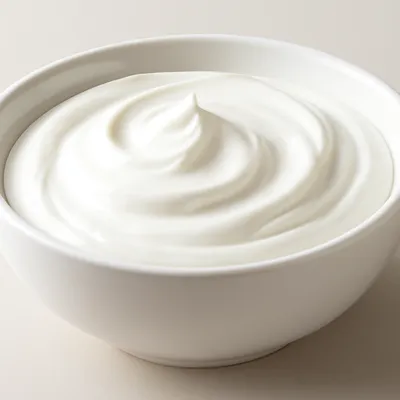
Chal (Kazakh: shubat) is the traditional Turkmen-Kazakh-Kyrgyz fermented camel-milk drink — the pastoral counterpart to Caucasian kefir, Indian buttermilk, and Mongolian airag. The technique is ancient, tied to the domestication of the Bactrian camel in southwestern Central Asia (roughly modern Turkmenistan) around 3000-2500 BCE; terracotta models of Bactrian-camel carts from Altyn-depe in southern Turkmenistan date to c. 3000-2600 BCE, and fermented camel milk has been the universal pastoral beverage of the region ever since. The fermentation transforms the milk: makes it digestible for adults (most adults can't tolerate the lactose in fresh milk), creates probiotic bacteria, and slightly preserves it (lactic acid prevents spoilage). Note that 'agaran' is not another name for chal — it is the fermented cream skimmed from the surface of chal. Soviet-era studies (Grigoryants 1954, Kieselev 1956, Kuliev 1959) documented its composition and microflora. Modern Turkmen pastoral nomads still drink chal daily; urban Ashgabat households increasingly use cow-milk yogurt as a substitute. The Turkmen government has promoted chal as a cultural heritage food. The drink is reputed to cure tuberculosis, fatigue, and digestive issues.
Pour cold chal into a clay cup — slightly cloudy, pale ivory-white, light effervescence visible at the surface. First sip: a tangy-yeast-yogurt flavor explodes — much more complex than fresh milk or western yogurt; a slight saltiness (camel milk is naturally saltier than cow milk); a fizziness that hints at the very mild alcohol content; a refreshing finish. With a meal of plov or shashlik, chal aids digestion through its lactic acid and live bacteria. The drink that has fueled Turkmen pastoral nomads for over 5,000 years.
Lactic acid fermentation transforms camel milk via Lactobacillus bacteria — lactose is converted to lactic acid (tangy flavor and natural preservation), while Saccharomyces yeast produces small amounts of CO2 (fizziness) and ethanol (1-2% alcohol). Camel milk contains less lactose than cow milk and has a higher salt content (giving the characteristic taste). The fermentation process also breaks down most of the remaining lactose, making chal more digestible for lactose-intolerant individuals — which is most adults. The bacteria add probiotic value; the lactic acid acts as a natural preservative.
Variations
Plain chal is the everyday version. Honey chal adds honey for celebration. Cardamom chal adds a pinch of cardamom for festive versions. Cucumber-and-mint chal (modern Ashgabat) blends with cucumber and fresh mint for a summer drink. Cow-milk substitute (called yogurt-drink or ayran) is used outside camel-rearing areas — similar effect but different flavor. Younger fermented chal (12 hours) is milder; longer fermented chal (24+ hours) is more sour and slightly more alcoholic.
On the Palate
Where Chal sits in the Turkmen flavor cloud
Nail the temperature window — cool the scalded milk to a warm 35-40°C before stirring in the starter, because hotter kills the live cultures and colder stalls the ferment, and everything downstream depends on those bacteria waking up.
Ingredients
Serves 6How it's made
10 steps · 20 min active + 23 hours 40 min waiting
- 135 min
Acquire 2 L fresh camel milk (if camel milk is unavailable, use cow's milk for a culturally-equivalent but flavor-different result). Pasteurize gently: heat to 65°C, hold 30 min, then cool to 35-40°C.
Watch outCool the scalded milk to a warm 35-40°C before the starter goes in — too hot kills the culture.
- 22 min
Have ready 100 ml previous chal batch as starter (or substitute 100 ml live-culture plain yogurt with active cultures).
- 34 min
Pour the warm milk into a sterilized non-reactive container (clay pot is traditional; glass jar works fine). Whisk in the starter.
- 41 min
Cover loosely with a clean cloth (not airtight — fermentation needs to breathe).
- 51380 min
Let ferment at warm room temperature (20-25°C) for 18-24 hours. The longer, the more sour and fizzy.
Watch outFerment at warm room temp; the longer it sits, the more sour and fizzy it turns.
- 62 min
Check fermentation: the milk should have thickened to a yogurt-like consistency with slight effervescence and a distinct tangy smell.
Watch outIt's done when the milk thickens like yogurt, smells sharply tangy, and shows a faint fizz.
- 72 min
Once fermented, refrigerate to slow further fermentation. Keeps refrigerated for 1 week, becoming more tangy each day.
- 85 min
To serve: pour cold chal into a clay cup or modern glass. Drink as-is or with a touch of sugar/honey (rural traditional) or mint/cucumber (modern Ashgabat).
- 94 min
Serve as the universal drink with meals, especially plov, shashlik, or manty — the chal's acidity helps digestion of the rich foods.
- 101 min
To make next batch: reserve 100 ml from the current batch to use as starter for the next.


