The tangy creaminess that saves dull dishes from mediocrity.
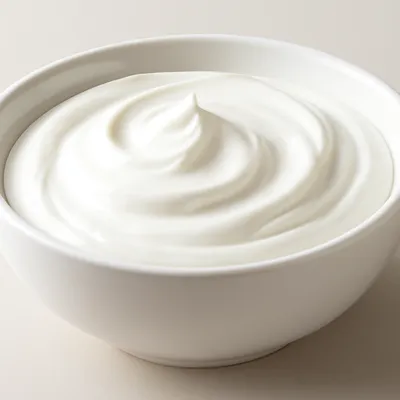
Tangy and creamy, yogurt delights the palate with its luscious texture and refreshing flavor. Its probiotic properties and versatility make it a staple in both sweet and savory dishes across the world.
Where it comes from
Yogurt's origins trace back to ancient Mesopotamia, where it was discovered as a means of preserving milk. Its popularity has spread globally, becoming a cornerstone of many culinary traditions.
In the kitchen
Yogurt serves as a base for sauces, dressings, and marinades, adding a creamy tang to dishes. It also shines in desserts and smoothies, providing a nutritious and flavorful element.
Across cuisines
Indian dahi is set at home using a small spoonful of previous-batch culture — the result is thinner, slightly sour, and less consistent than Greek yogurt. Raita whips dahi with grated cucumber, cumin, and chili to cool a meal's heat. Dahi bhalla soaks deep-fried lentil dumplings in dahi, topping with tamarind chutney and chaat masala. Biryani marinades yogurt with spices for 12–24 hours to tenderize the meat before dum-cooking under a sealed lid.
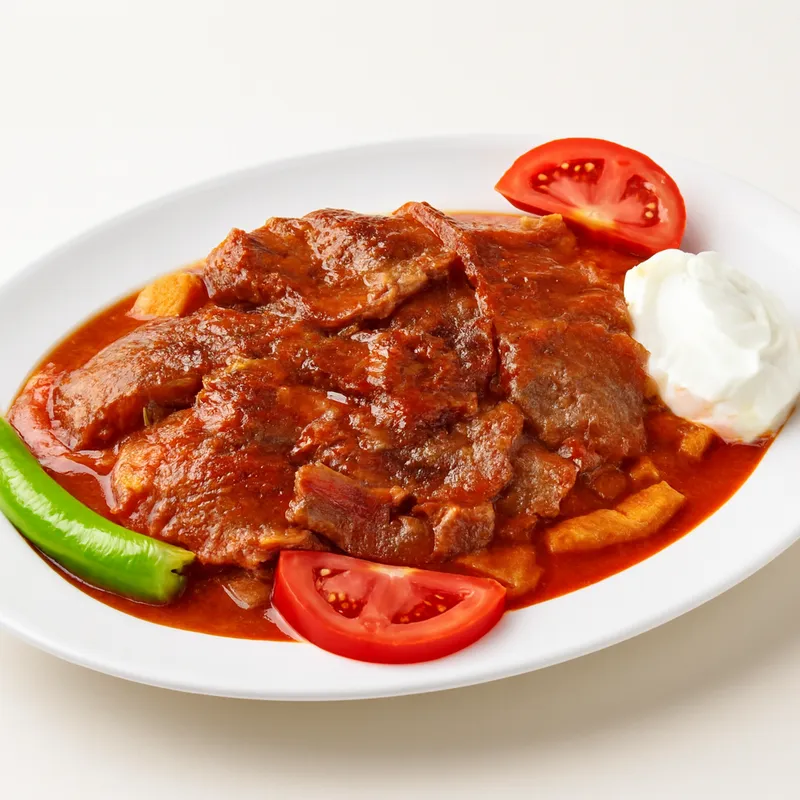
Turkey treats yogurt as a condiment, sauce, and component simultaneously. Süzme (drained yogurt) is the baseline — strained through cheesecloth overnight to a thick, spreadable consistency. Iskender kebab plates doner slices over pide bread with a yogurt base, then pours browned butter over the top: the contrast of cold yogurt, hot meat, and sizzling fat defines the dish. Karnıyarık (stuffed eggplant) is typically served alongside a bowl of plain süzme.
Persian cooking integrates yogurt at every course. Mast-o-khiar (yogurt with cucumber and dried rose petals) is a table constant. Borani is a category of yogurt-vegetable dishes — borani bademjan layers fried eggplant with thick yogurt and saffron-caramelized onion. Kashk-e bademjan is different: kashk (dried whey, much more concentrated and sour than fresh yogurt) is drizzled over roasted eggplant purée. Ash reshteh (noodle soup) finishes with a kashk drizzle.
Notable varieties
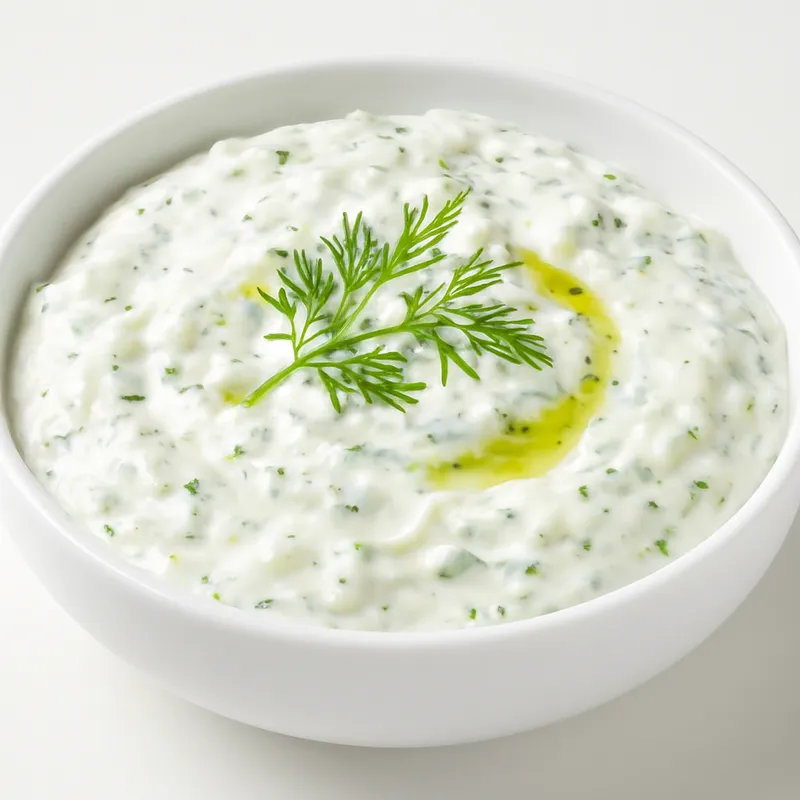
Whole-milk yogurt drained through cheesecloth or fine mesh until whey is removed, concentrating fat to 5–10% and protein to 8–10 g/100 g. Thick enough to hold shape when spooned. Used as tzatziki base and served with honey and walnuts in Greece.
Technically a fresh cheese by EU classification, but consumed like yogurt. Strained to a very low fat (0.5%) yet very high protein (11–12 g/100 g) compared to Greek yogurt. Mildly sour, very thick. Traditionally made with skim milk using heirloom bacterial strains from 9th-century Scandinavian settlers.
Set yogurt made exclusively with Lactobacillus delbrueckii subsp. bulgaricus and Streptococcus thermophilus — the original cultures isolated by Stamen Grigorov in 1905. Distinctly sharper and more acidic than Greek or Turkish styles. The bacteria are temperature-sensitive; Bulgarian producers claim authentic strains cannot survive outside Bulgarian geography.
Home-set with a starter from the previous batch, typically at 38–42 °C for 6–8 hours. Fat content and sourness vary by season and milk type. Consistency ranges from loose and pourable to set-curd; cow's milk dahi is thinner and whiter than buffalo-milk dahi, which sets firmer and richer.
Nutrition (per 100g)
AI-estimated; model and run unavailable.
Pairs well with