

Persian
Saffron rice, pomegranate stews, and a culture that treats the crispy tahdig like treasure.
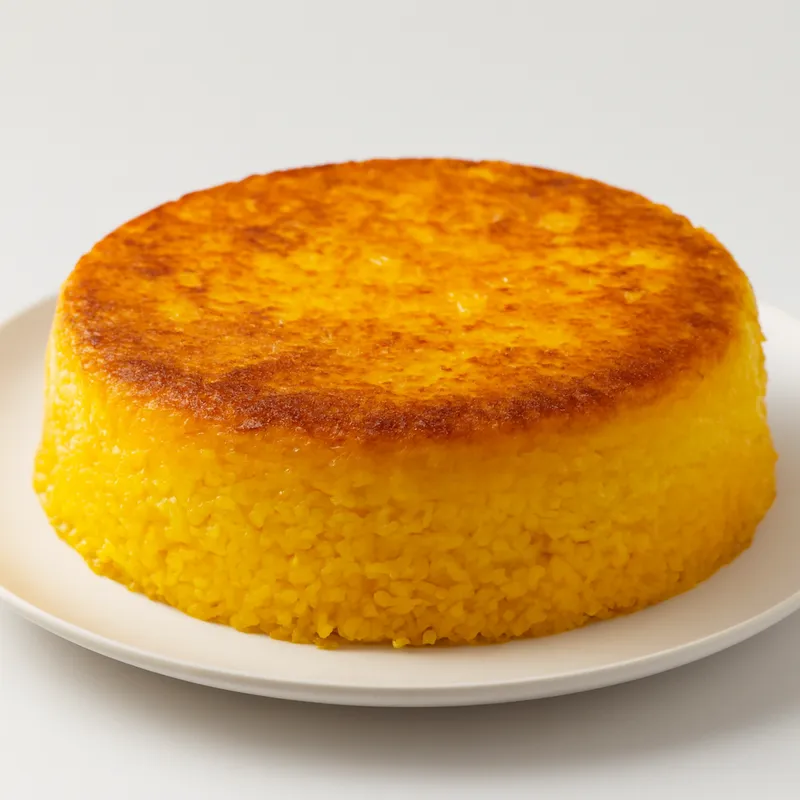
Tahdig
The crispy golden rice crust that forms at the bottom of a Persian rice pot — eaten last and prized as the best part.
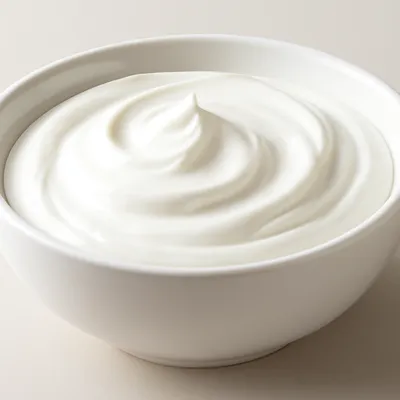
View page →A Persian table unfolds like a poem read aloud: saffron rice crowned with barberries, herb-green stews that have simmered all afternoon, a bowl of yogurt at every place, and platters of fresh herbs — tarragon, mint, basil — to be eaten by the handful between bites. Nothing is rushed. The centerpiece is always the rice, and the prize is always the crisp golden Tahdig at the bottom of the pot.
This is cuisine that treats patience as an ingredient. Walnuts grind down for hours into Fesenjan's sour-sweet sauce. Lamb shanks fall apart in Ghormeh stew. Saffron blooms slowly in warm water before it ever touches food. The reward is a dinner that tastes of the Silk Road — sour pomegranate, floral rosewater, earthy saffron, bright herbs — layered with a subtlety that makes every bite feel considered.
The Palate
Dishes to explore
Tahdig
The crisp golden layer at the bottom of the rice pot — the bite every guest waits for.
Tahdig is the quintessence of Persian cooking — heat, fat, and patience rewarded with the most fought-over crunch at the table.
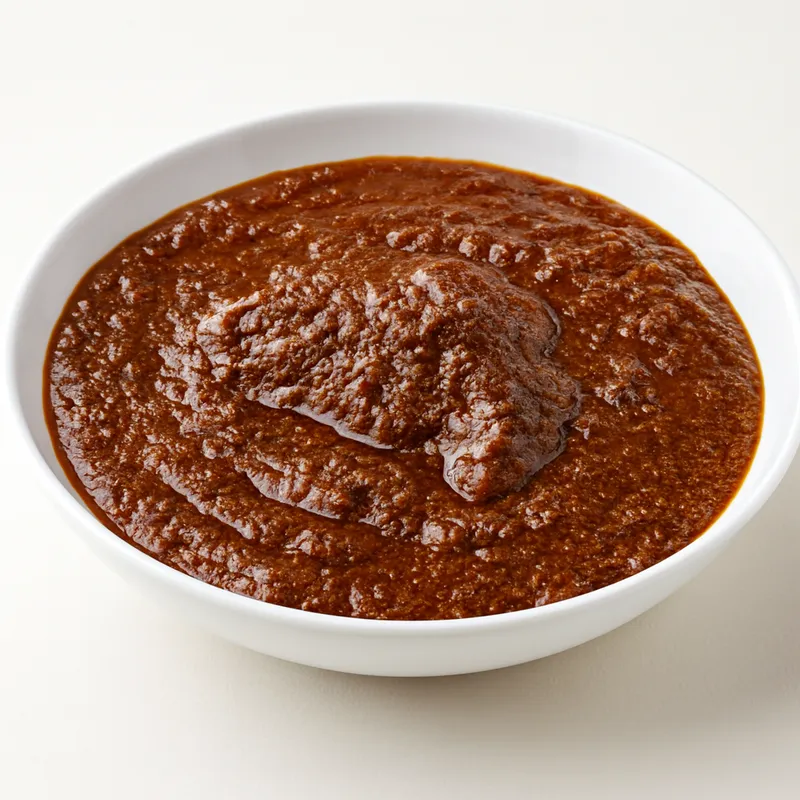
Fesenjan
Walnuts ground into sauce with pomegranate molasses, simmered with duck or chicken until dark and sour-sweet.
The stew that proves the Persian long game — hours of reduction for a flavor nothing else comes close to.
Jujeh Kebab
Saffron and yogurt-marinated chicken over charcoal, brushed with butter and lime. The weekend kebab.
Shows how saffron, yogurt, and fire carry the dish — the cuisine at its most sociable.
Ash Reshteh
Noodles, beans, and a garden of herbs folded together with kashk — fermented whey, tangy and sharp.
A herb-forward winter dish that maps Persian cooking's relationship to vegetables and slow-built depth.
Cooking options
Food choices favor cuisine selections and manageable preparation; check each recipe before cooking.
The Pantry

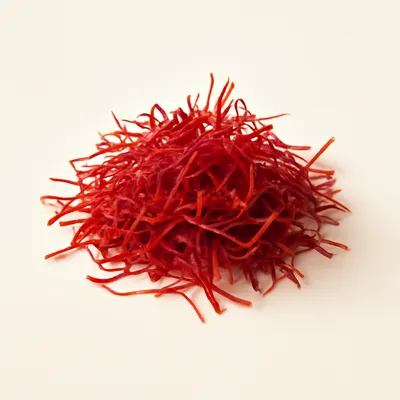


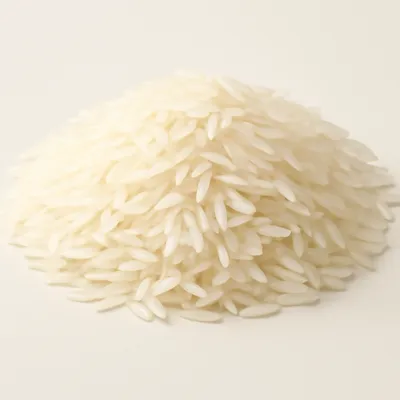

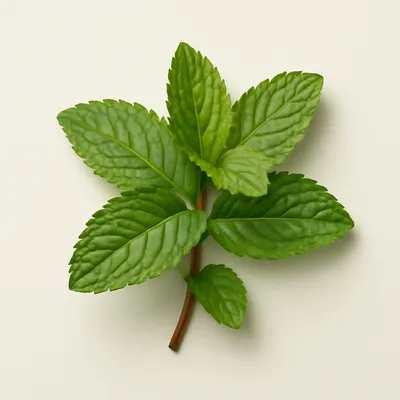
See all 159 ingredients›

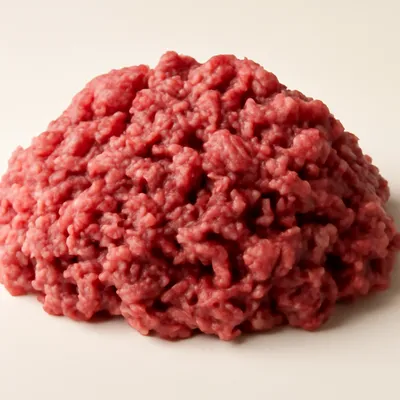



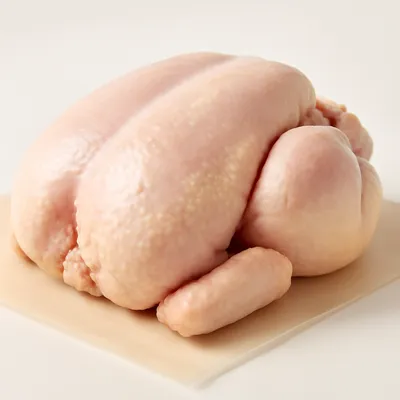


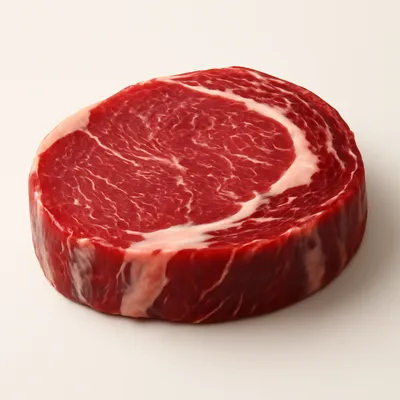







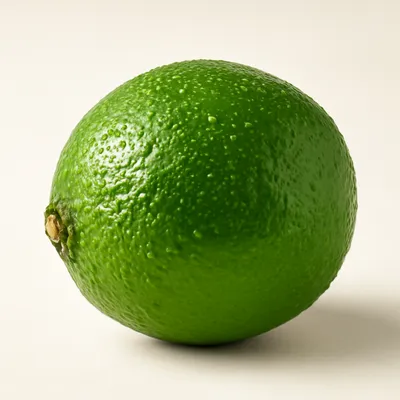

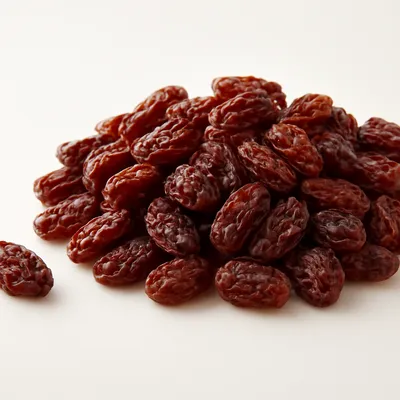


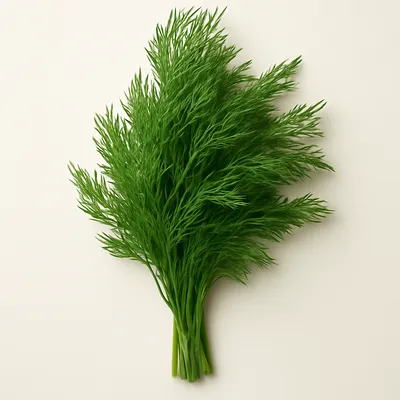
Grains & Staples


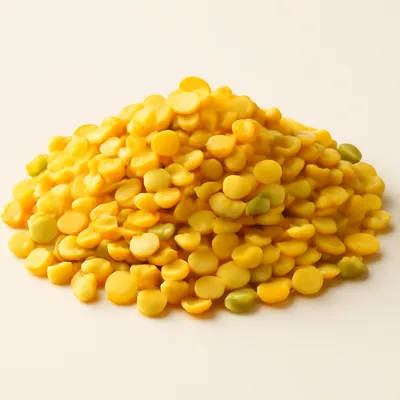












Sauces & Condiments






Other

Regional Kitchens
Four regional kitchens, from Tehran to the Persian Gulf. Tap a region to see its table.
Capital canon — saffron, lime, slow stews. The face most travelers meet.
Smoked fish, walnut-pomegranate sauces, rice-heavy and humid-coast vegetal.
Meat-forward, dolma-rich, Turko-Persian inflection — bigger flavors, less subtle.
Citrus-bright, lighter grills, dessert-leaning — rosewater and tamarind country.
The Arab-inflected cooking of Iran's southwest and Persian Gulf coast — tamarind-soured fish and shrimp stews (ghalyeh mahi, ghalyeh meygu), Abadan falafel and sambuseh, and a southern love of heat the inland Persian table doesn't share.
Isfahan's distinctive table — beryani, the minced lamb-and-lung patty pressed onto sangak; khoresh-e mast, the sweet saffron-yogurt banquet dish; and gaz, the pistachio nougat that perfumes the bazaar.
The northeast around the holy city of Mashhad — Shandiz's famed shishlik lamb ribs, the slow-stirred votive porridge sholeh, and the frugal onion-and-egg eshkeneh of the high plains.
How They Cook
Methods linked to dishes in this catalog
Related cuisines
Linked by ingredient records in this catalog