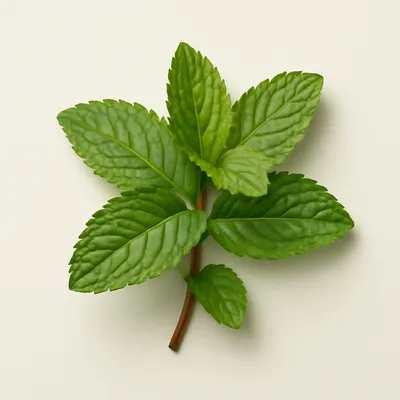
A breath of fresh air, invigorating the senses with every leaf.
Bright green leaves bursting with a cool, refreshing taste; mint invigorates dishes with its crisp, sweet flavor. This herb is a staple in Mediterranean, Middle Eastern, and Asian cuisines, renowned for its aromatic qualities.
Where it comes from
Mint has a storied past, used since ancient times in both culinary and medicinal applications, often associated with hospitality and freshness.
In the kitchen
Mint is typically used fresh in salads, cocktails, and desserts, providing a refreshing counterpoint to rich flavors and enhancing overall brightness.
Across cuisines
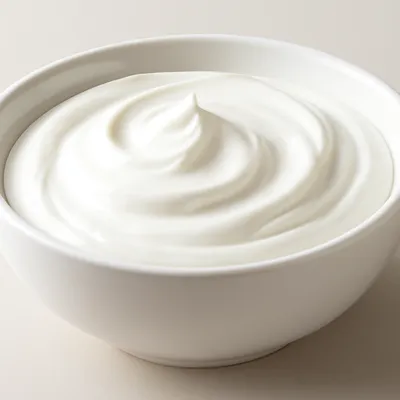
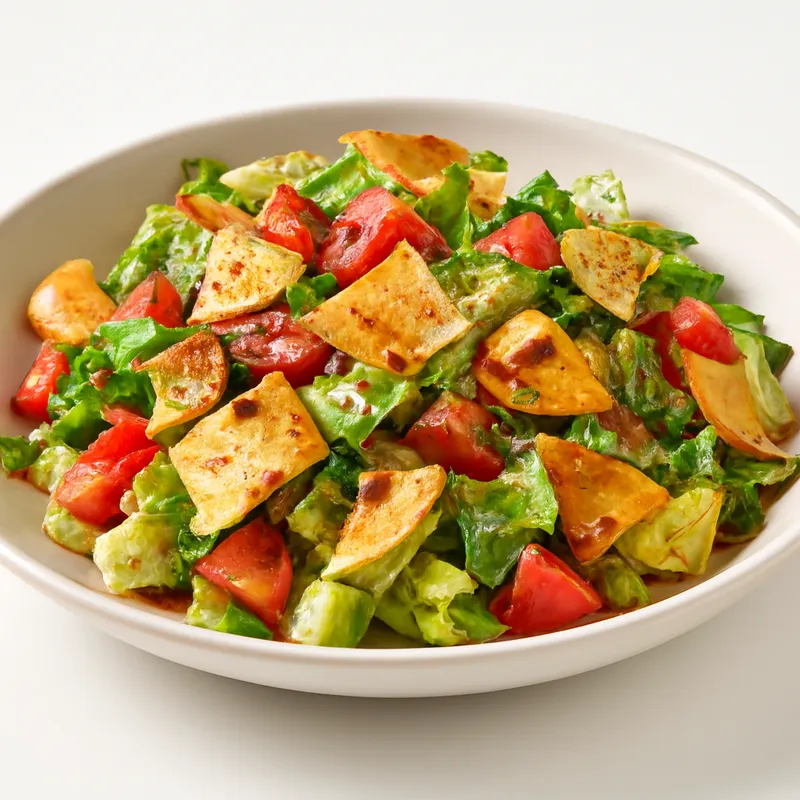
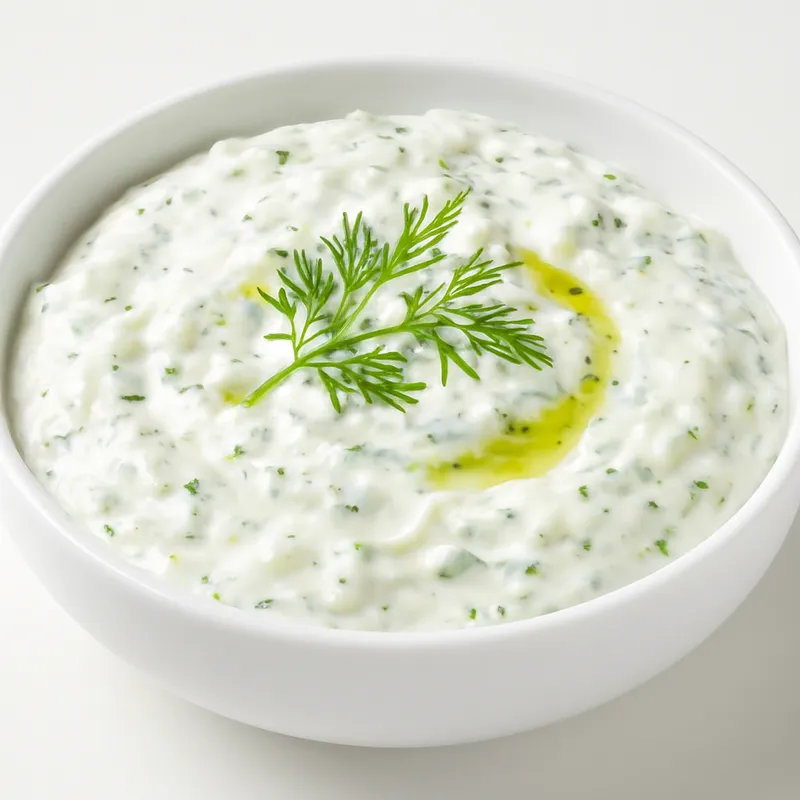
Spearmint (Mentha spicata) is the standard fresh herb in Levantine cooking. Fattoush adds torn fresh mint to the dressed bread-and-vegetable salad; fattet hummus layers toasted pita, chickpeas, and yogurt with a dried-mint garnish. Dried rubbed mint replaces fresh in cooked applications — sprinkled over lentil soup, stirred into labneh, or dissolved in hot water for infusion. Israeli salad (cucumber, tomato, onion) often includes fresh mint leaves alongside flat-leaf parsley.
Spearmint is the defining flavor of Moroccan attay (traditional tea): gunpowder green tea brewed with a large bundle of fresh na'na (Moroccan spearmint) and sugar, poured from height to aerate. As a culinary herb, mint appears in briouats (filled pastry cigars) with vermicelli and spiced meat, and scattered over msemen (layered flatbread) served with honey.
Vietnamese cooking deploys mint as part of a fresh herb plate (đĩa rau sống) alongside perilla (tía tô), Vietnamese balm (kinh giới), and bean sprouts — served with spring rolls, bánh xèo, and grilled meats. The Vietnamese variety húng quế is technically Thai basil (Ocimum basilicum var. thyrsiflora), not mint, but is often grouped with mint herbs on the plate. Spearmint (húng lũi or húng cây) is the specific variety in rice paper rolls and noodle soups.
Notable varieties
The standard culinary mint. Flavor from carvone (60–70%), not menthol. Milder and sweeter than peppermint with almost no numbing. The predominant variety in Moroccan tea, Middle Eastern salads, Indian chutney, and European lamb sauce. Dried rubbed form is standard in Turkish and Levantine pantries.
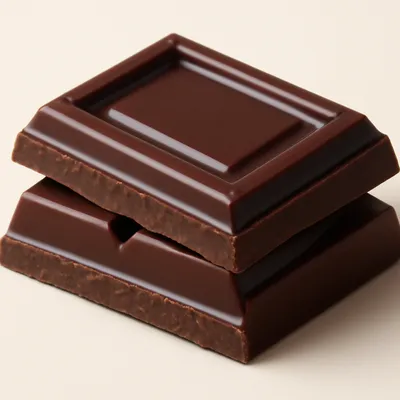
Hybrid of spearmint and watermint; high menthol content (40–55%) delivers the pronounced cooling-numbness sensation. Used primarily in confectionery (candy, chocolate, gum) and beverages rather than savory cooking; the cooling sensation is often too aggressive for food pairings outside Western desserts.
Ocimum basilicum var. thyrsiflora — technically a basil, not a mint, despite local nomenclature. Purple stems, anise-like flavor with a slight clove note from estragole and eugenol. Integral to the Vietnamese herb plate and Thai stir-fries; its flavor profile is distinct from spearmint and the two are not interchangeable.
Nutrition (per 100g)
AI-estimated; model and run unavailable.
Pairs well with