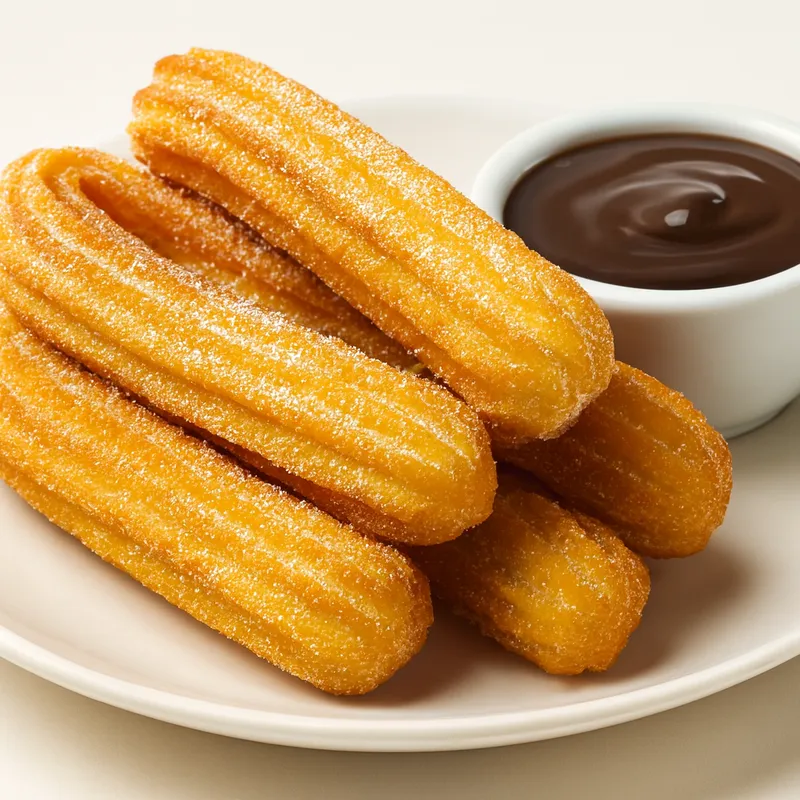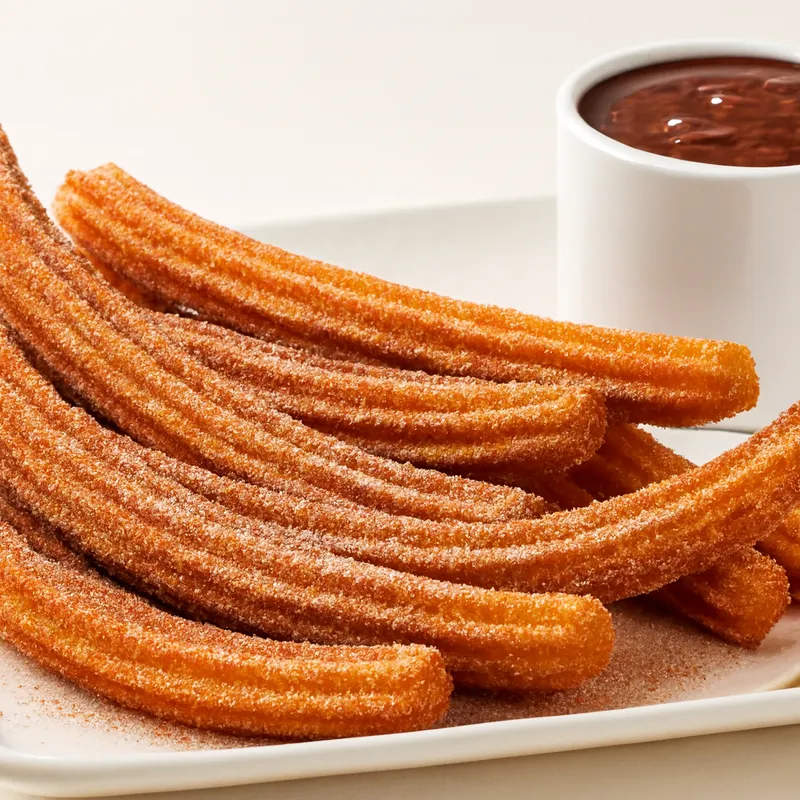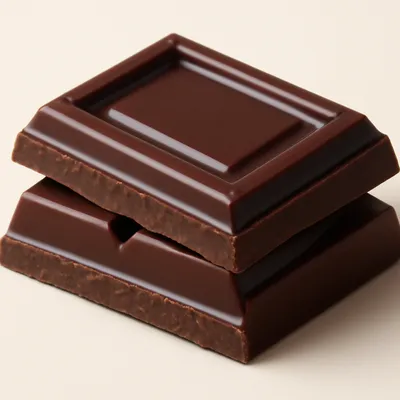
Processed cacao with hundreds of flavor compounds; bitter, fruity, nutty, and earthy all at once.
Where it comes from
Hailing from Mesoamerica, chocolate has a storied history dating back to the ancient Mayans and Aztecs, where it was revered as a divine beverage and a form of currency.
In the kitchen
Chocolate serves as the foundation for desserts, sauces, and confections, enhancing flavors, adding sweetness, and providing a rich, indulgent experience that satisfies the senses.
Across cuisines
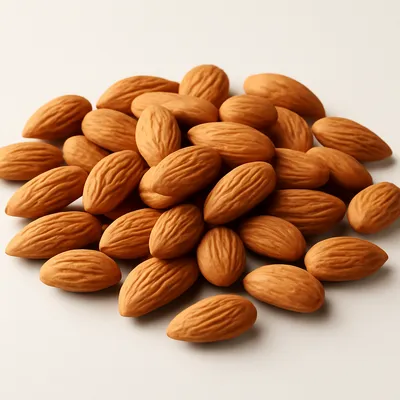
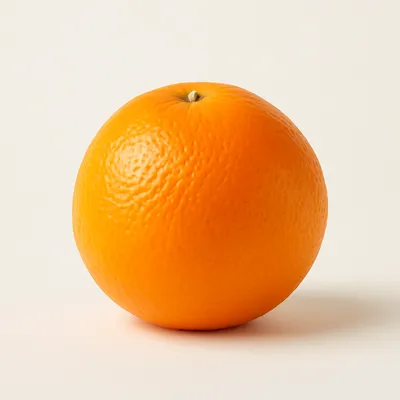
Hungarian desserts often feature chocolate in layered confections. Dobos Torta, for instance, uses a chocolate buttercream between sponge layers and a caramel glaze on top. Chocolate is typically paired with nuts, cream, or fruit to create rich and complex flavors.
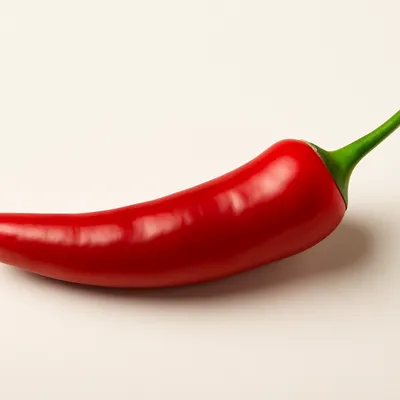
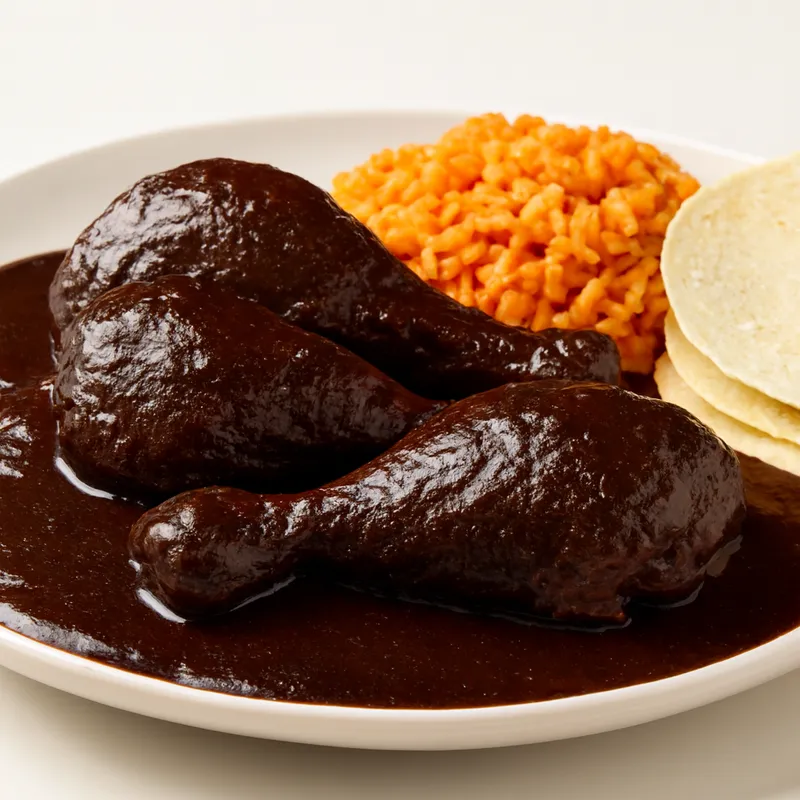
In Mexican cuisine, chocolate is often used in savory dishes to add depth and complexity. Mole Poblano is a prime example, combining chocolate with chilies, spices, and nuts to create a rich and balanced sauce. The chocolate tempers the heat and adds a subtle sweetness, essential to the dish's profile.
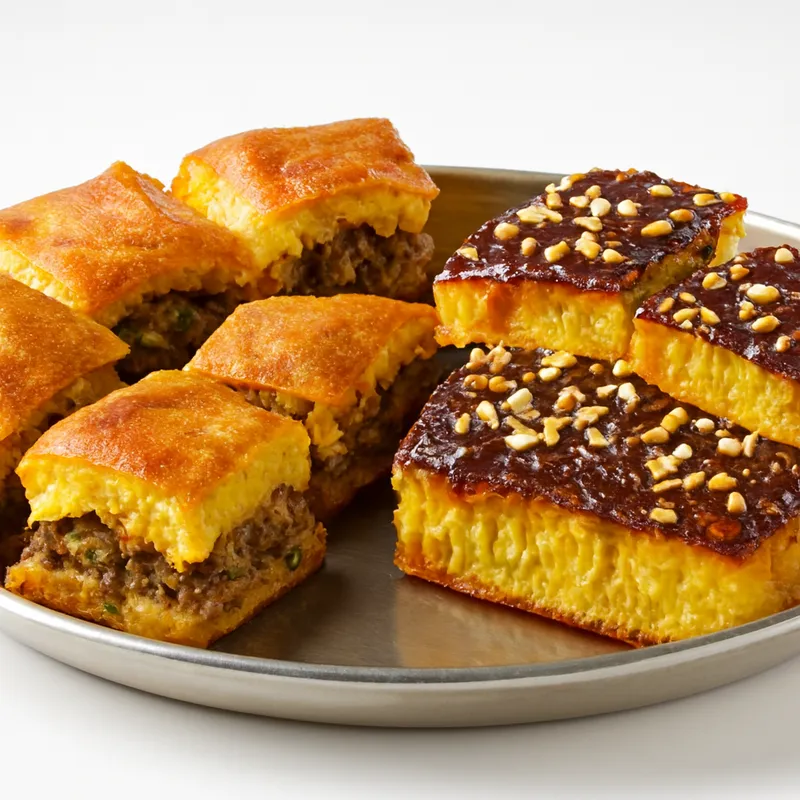
Chocolate — the fondant enrobing torta tre monti, the wafer-and-hazelnut cake shaped for Monte Titano's three towers. Source: Wikipedia (Torta Tre Monti).
Nutrition (per 100g)
AI-estimated; model and run unavailable.
Pairs well with