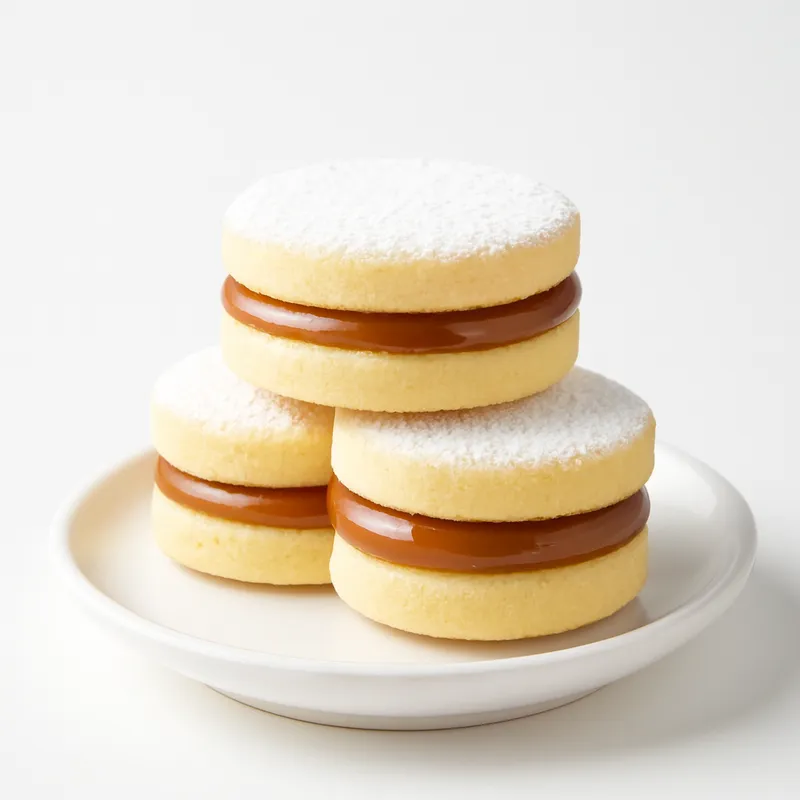
Peruvian shortbread sandwich cookies filled with dulce de leche and dusted with powdered sugar, melt-in-your-mouth tender.



The name and concept are Andalusian-Arab — al-hasú (the filled one) — brought to Spain by Moors before the 1492 reconquest, then to the Americas with colonization. The South American version with dulce de leche (a 19th-century Argentine invention) spread across the continent; in Peru, the Limeñan version with thick maicena (cornstarch) shortbread became dominant, distinct from the chocolate-coated Argentine style.
Name traces to Andalusian-Arab al-hasú (the filled one), brought to the Americas with Spanish colonization. The dulce de leche filling is a 19th-century Argentine addition; Peru's Limeñan version uses a 1:2 flour-to-cornstarch ratio that makes the cookie crumble to powder.
Two pale, snow-white shortbread discs sandwiching a thick layer of dulce de leche, dusted with powdered sugar. The cookie is so high in cornstarch and so short on gluten that it crumbles to powder in the mouth — almost no chew. The caramel is brown-sugar deep, cooked dark enough to taste of cooked milk rather than just sweet. Often rolled in shredded coconut at the edge.
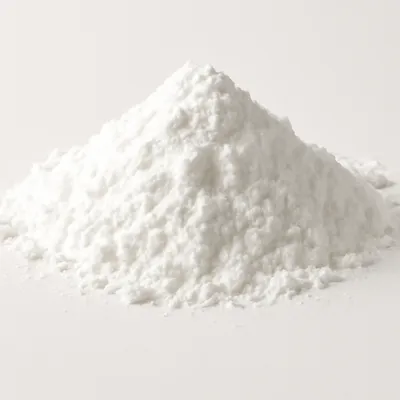
Cornstarch is what makes a Peruvian alfajor melt rather than chew — it has no gluten, so the dough has no elastic structure to bite through. The flour:cornstarch ratio is usually 1:2, the inverse of normal cookie ratios. The dough must be rested cold or it spreads into puddles. Pisco or lemon zest in the dough cuts the richness of the caramel; without it, the sandwich reads as cloying.
Variations
Argentine alfajor (chocolate-coated, Havanna brand from Mar del Plata); Peruvian Limeñan (cornstarch-heavy, naked or coconut-edged); alfajor de Tucumán (with quince paste); alfajor santafesino (three-disc); the Spanish original from Medina Sidonia is honey-and-almond, no caramel at all.
On the Palate
Where Alfajores sits in the Peruvian flavor cloud
Keep the dough roughly one part flour to two parts cornstarch and chill it hard before baking — the cornstarch is what makes the cookie dissolve on the tongue, and cold dough is what stops it spreading into flat puddles.
Ingredients
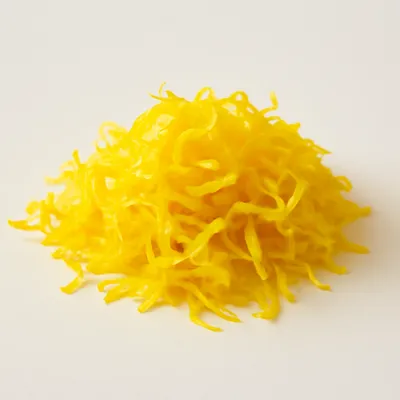

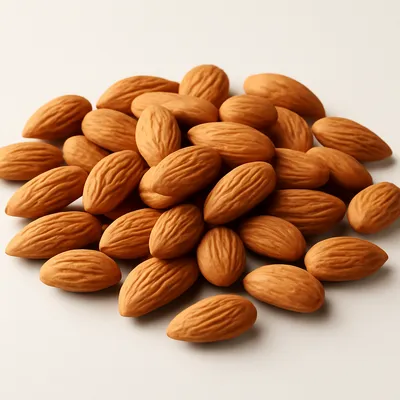
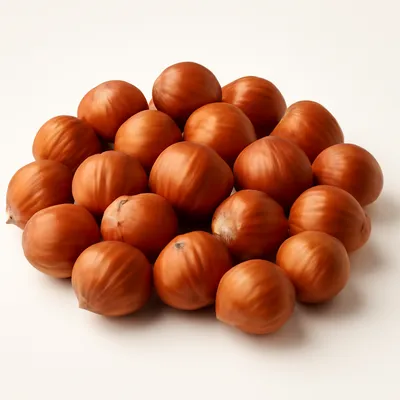

How it's made
6 steps · 45 min active + 30 min waiting
- 15 min
In a bowl, cream together butter and sugar until light and fluffy. Beat in the egg and vanilla until well combined.
- 25 min
Gradually add flour to the mixture, stirring until a soft dough forms. Wrap the dough in plastic and chill for at least 30 minutes.
Watch outThe dough should feel soft and a touch sandy, not stretchy — if it pulls back like bread dough, there's too much flour.
- 310 min
Roll out the chilled dough on a floured surface to about 1/4 inch thickness. Cut into rounds using a cookie cutter.
- 410 min
Place the dough rounds on a baking sheet lined with parchment paper. Bake in a preheated oven at 350°F (175°C) until lightly golden, about 10 minutes.
Watch outTake them out while still very pale — cornstarch shortbread goes from perfect to dry in a minute past done.
- 510 min
Allow the cookies to cool completely. Once cool, spread dulce de leche on one cookie and sandwich with another.
Watch outCool them completely before filling, or the caramel melts and the soft cookies fall apart.
- 65 min
Optionally, roll the edges in ground almonds or hazelnuts, then dust with powdered sugar for a sweet finish.
Archive tool suggestions — not reviewed
These legacy suggestions have not been evidence-reviewed and are not presented as required tools.