


Peruvian
Altitude and ocean on the same plate.
Ceviche
A quintessential Peruvian dish of raw fish marinated in citrus juices, showcasing the country's coastal flavors.
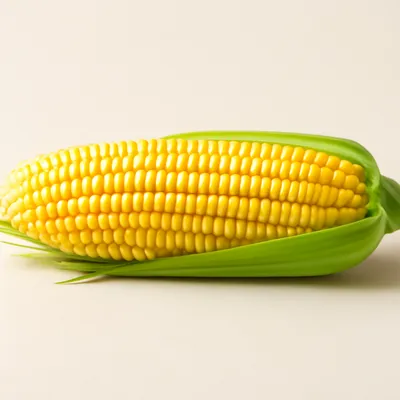
View page →Peruvian food is built on three landscapes — the Pacific coast, the Andes, and the Amazon — plus waves of Japanese, Chinese, and Spanish immigration. The signature dish is ceviche: raw fish cured in lime juice with sliced red onion and ají chili, served with boiled sweet potato and large-kernel corn (choclo). Lomo saltado is the country's best-known Chinese-Peruvian dish, a stir-fry of beef, onion, and tomato with soy sauce and french fries over rice, a style locals call chifa. Other staples include ají de gallina (shredded chicken in a creamy yellow chili sauce) and anticuchos (grilled beef-heart skewers sold from street carts). Potatoes are native here in thousands of varieties, and quinoa comes from the Andes. The national drink is the pisco sour — pisco grape brandy shaken with lime, egg white, and bitters.
The Palate
Cooking options
Food choices favor cuisine selections and manageable preparation; check each recipe before cooking.


The Pantry



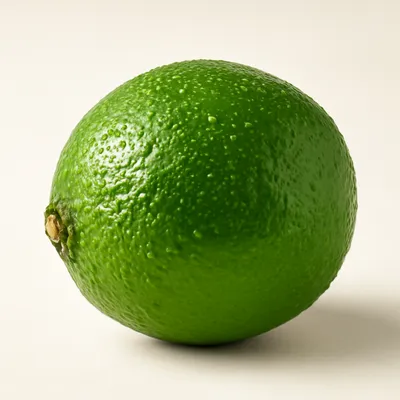
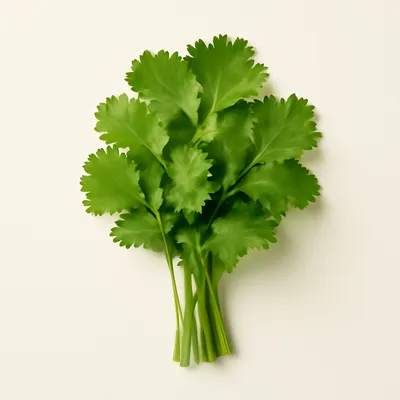

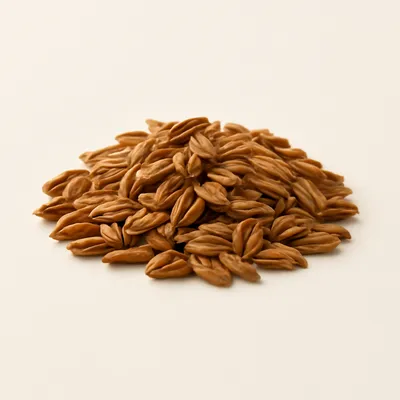

See all 217 ingredients›






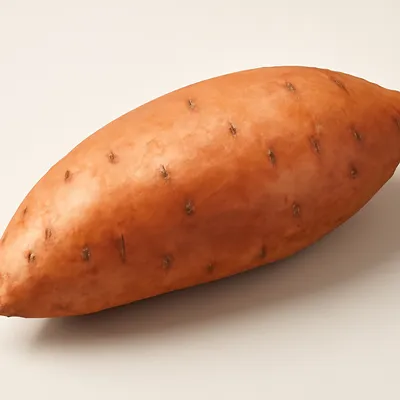
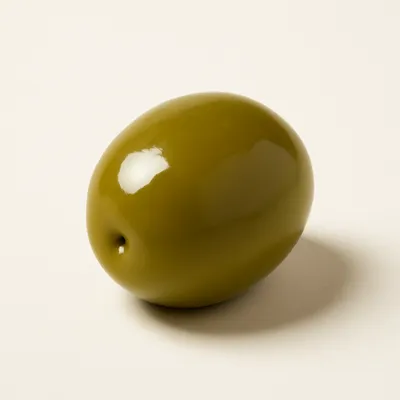
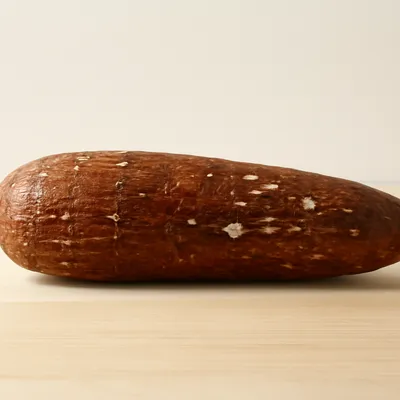
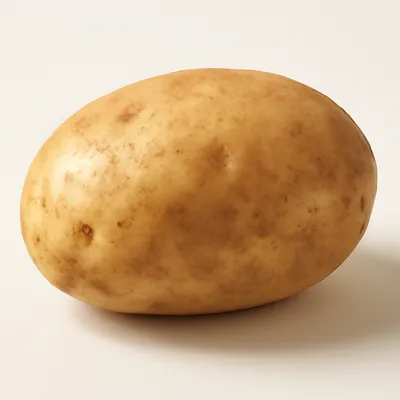






Herbs & Spices






Dairy & Fats





Sauces & Condiments






Other

Regional Kitchens
Three regional kitchens, from the Pacific coast to the Amazon basin. Tap a region to see its table.
Pacific seafood + Lima cosmopolitan fusion — ceviche, lomo saltado, causa, anticuchos. Chifa (Chinese-Peruvian) and Nikkei (Japanese-Peruvian) live here.
Mountain inheritance from the Inca — quinoa, native potato varieties (over 4,000), alpaca, cuy. Pachamanca cooks with hot stones in the earth.
Amazon basin — paiche, river fish, plantain, yuca, bijao-leaf wraps. Distinct from highland and coastal traditions; the rainforest larder.
Peru's beloved Chinese-Peruvian cooking, born of nineteenth-century Cantonese migration — wok-charred saltados, soy-glazed chi jau kay, chaufa fried rice and wontons in every guise. A fusion so naturalized it is simply 'chifa.'
The picantería cooking of Arequipa, the 'White City' — fiery rocoto relleno, peanut-bright ocopa, river-shrimp chupe, and the weekly rotation of hearty chupes. Bold, proud and unmistakably southern.
The Japanese-Peruvian table that remade Lima fine dining — sashimi-cut fish in leche de tigre, acevichado maki, causa crowned with tuna. Japanese precision meets Peruvian ají and lime.
How They Cook
Methods linked to dishes in this catalog
See 21 more techniques›
Marinating is essential in Peruvian cooking, infusing meats and fish with layers of flavor from herbs and spices.
Emulsification is key in Peruvian sauces, where ingredients like ají amarillo are blended to create creamy, cohesive textures.
Curing is a time-honored method in Peru for preserving meats and enhancing flavors, especially prevalent in traditional dishes like Ceviche.
Deep frying in Peruvian cuisine creates crispy textures in dishes like Choclo con Queso, highlighting the contrast between soft and crunchy.
Roasting brings out the natural sweetness and depth in Peruvian root vegetables, often served as a savory side dish.
Boiling is a foundational technique in Peruvian kitchens, used to bring out the natural flavors of hearty ingredients like potatoes and corn.
Braising in Peruvian dishes, such as Aji de Gallina, is used to achieve tender meat infused with rich flavors from spices and sauces.
Simmering allows slow melding of flavors in Peruvian stews, enabling ingredients like chicken and potatoes to absorb spices deeply.
Stir frying in Peruvian cuisine, as seen in Lomo Saltado, combines the quick cooking of meats with a medley of vibrant vegetables.
Grilling is celebrated in Peru, particularly in street food like Anticuchos, where marinated meats are charred to perfection.
Blanching in Peruvian cooking often serves to soften vegetables while preserving their vibrant colors, crucial for salads and garnishes.
In Peruvian cuisine, baking is commonly used for creating traditional breads and desserts, infusing the air with the comforting aroma of freshly baked goods.
Related cuisines
Linked by ingredient records in this catalog