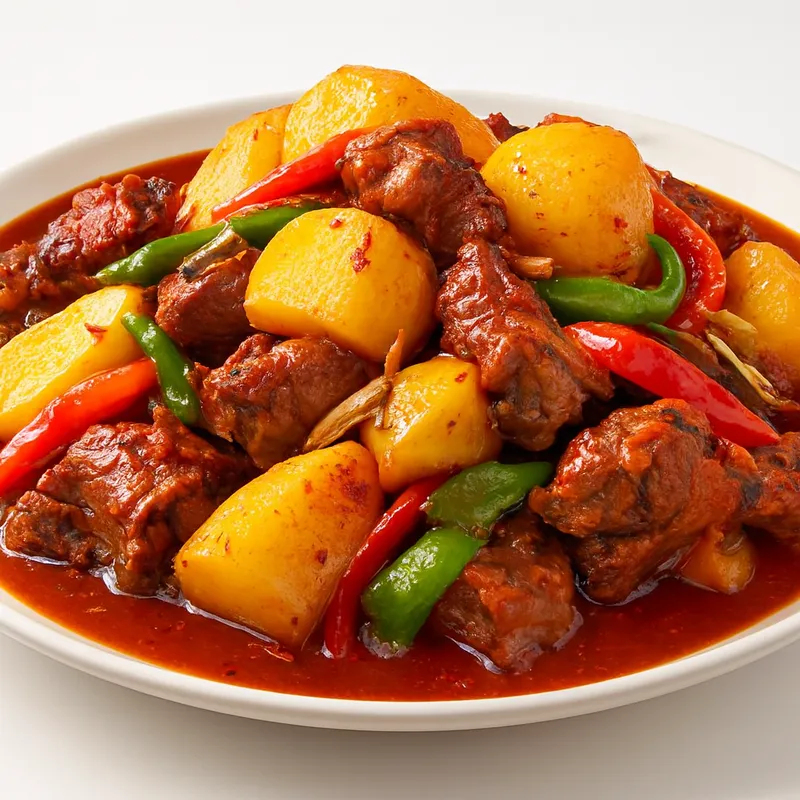
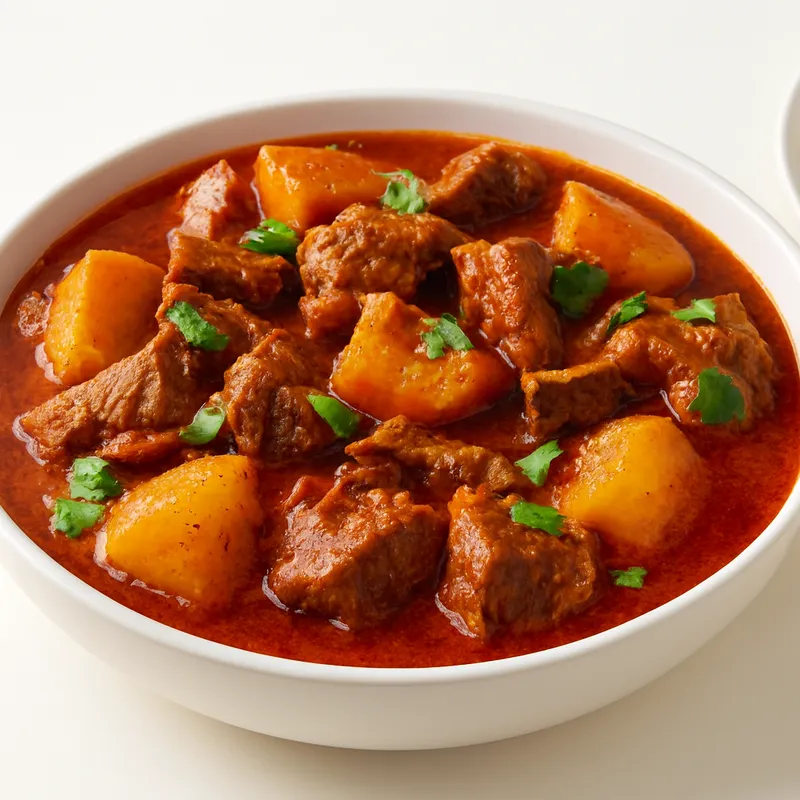
Invisible when cooked, irreplaceable in effect.
Pungent bulb with sulfurous compounds that transform into sweet, nutty depth when cooked.
Where it comes from
Garlic has been revered since ancient times, with medicinal uses documented in Egyptian, Greek, and Roman cultures, emphasizing its importance beyond the kitchen.
In the kitchen
Garlic enhances dishes through sautéing, roasting, or infusing oils, contributing depth and complexity to everything from sauces to marinades.
Across cuisines
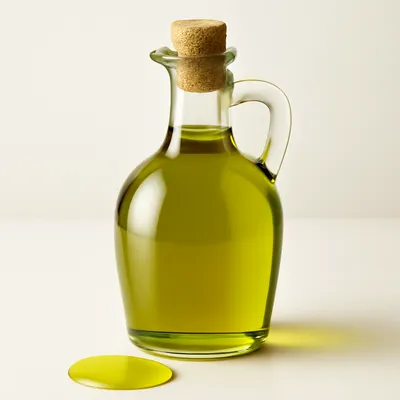
Raw garlic drives aglio e olio — a single smashed clove bloomed in olive oil until golden, then tossed with pasta water emulsion. Bagna cauda calls for garlic simmered in milk to soften bitterness before melting into anchovy butter. Northern pesto uses 1–2 raw cloves pounded in a mortar, lending sharp heat that cooked garlic cannot supply.
Smashed-then-bloomed in hot wok oil before any other ingredient — the bruising releases alliinase faster than slicing. Fermented black garlic (hei suan) appears in Sichuan dipping pastes. Hairy tofu from Anhui uses garlic in the braising liquid alongside Shaoxing wine. Uyghur dapanji layers whole cloves into a spiced braise until they turn jammy.
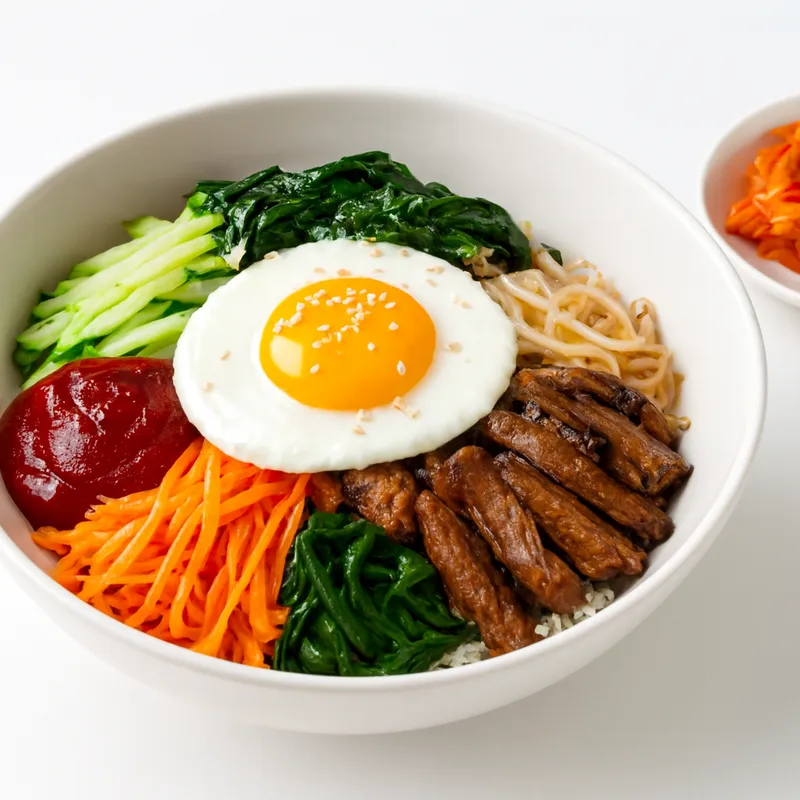
Korean cooking uses garlic in two distinct registers: raw minced garlic packed into kimchi at roughly 1 Tbsp per head of cabbage, where it ferments alongside gochugaru; and raw sliced garlic piled into ssamjang wraps with bossam pork. Bulgogi marinades add grated garlic that tenderises via allicin-enzyme activity over 30-minute rests.
Notable varieties
Six-cloved, deep purple-tinged bulb grown in inland volcanic soil. Higher allicin content than Chinese commercial varieties; noticeably more pungent raw. Preferred for kimchi and raw ssamjang pairings.
A single undivided bulb with no segmentation, grown at high elevation in Yunnan. Milder heat than segmented garlic, slight sweetness when cooked. Pickled whole in vinegar as a Sichuan condiment (糖醋独头蒜).
PDO-protected variety with vivid purple striping, 10–12 cloves per head, and a longer shelf life than white strains. Distinct aromatic profile with a sharper finish; the standard base for sofrito across central Spain.
Nutrition (per 100g)
AI-estimated; model and run unavailable.
Pairs well with