Spanish
Saffron in the rice, patience in the pan.
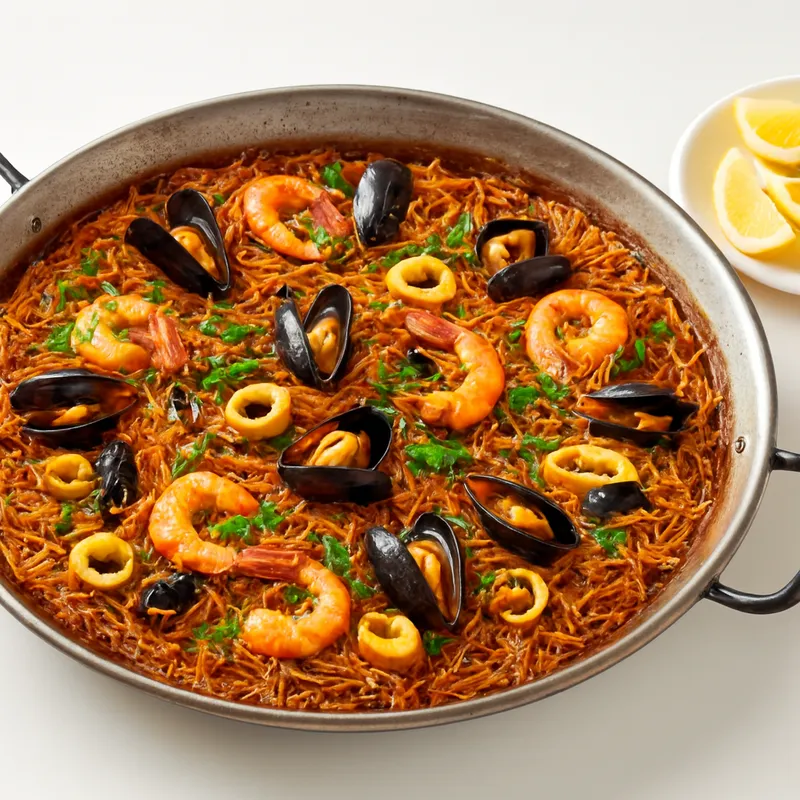
Paella
A saffron-infused rice dish cooked in a wide, shallow pan, representing the communal spirit of Spanish dining.
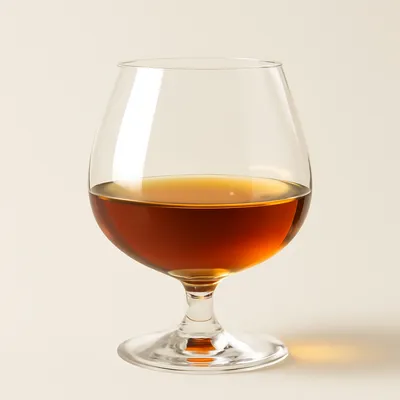
View page →Spanish cooking is regional and ingredient-driven, built on olive oil, garlic, smoked paprika (pimentón), and saffron. Paella comes from Valencia and in its original form is a rice dish cooked in a wide flat pan with rabbit, chicken, and green beans — the seafood version is a coastal variant. Jamón ibérico, the cured ham from acorn-fed black pigs, is sliced thin and eaten on its own, and tortilla española is a thick potato-and-onion omelet served at room temperature. The defining custom is tapas: small plates like gambas al ajillo (prawns sizzled in garlic and oil), patatas bravas (fried potatoes with spicy sauce), and croquetas, eaten in rounds across several bars. In the south, gazpacho is a cold raw-tomato soup for the heat of Andalusia. Sangría and dry sherry from Jerez round out the table.
The Palate
What makes it taste like itself
Start Here
The Tortilla Española shows the genius of simplicity, with eggs and potatoes combining into a dish that's as easy as it is versatile.
Why start here · It introduces you to the heart of Spanish home cooking with its humble ingredients and universal appeal.
Paella is the culinary flagbearer of Spain, a saffron rice dish full of the sea's catch and the land's harvest, often the centerpiece of gatherings.
Why start here · This dish shows Spain's ability to combine seafood, meats, and vegetables into a balanced, saffron-infused masterpiece.
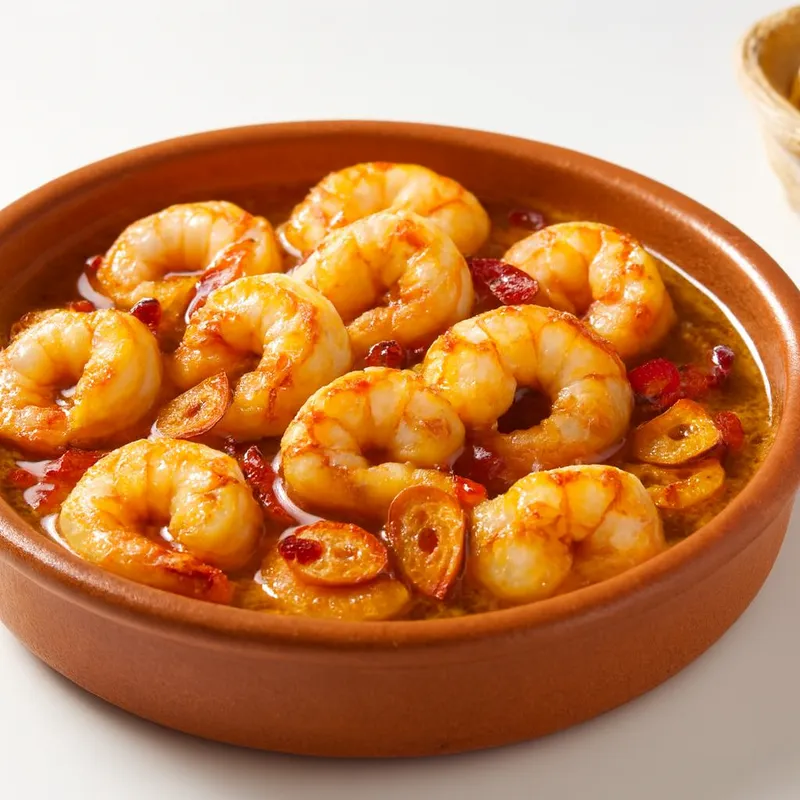
Gambas al Ajillo is a sizzling delight, where prawns dance in garlic-infused olive oil, capturing the essence of Spanish tapas culture.
Why start here · It's a quintessential tapas dish that exemplifies the bold flavors and social nature of Spanish dining.
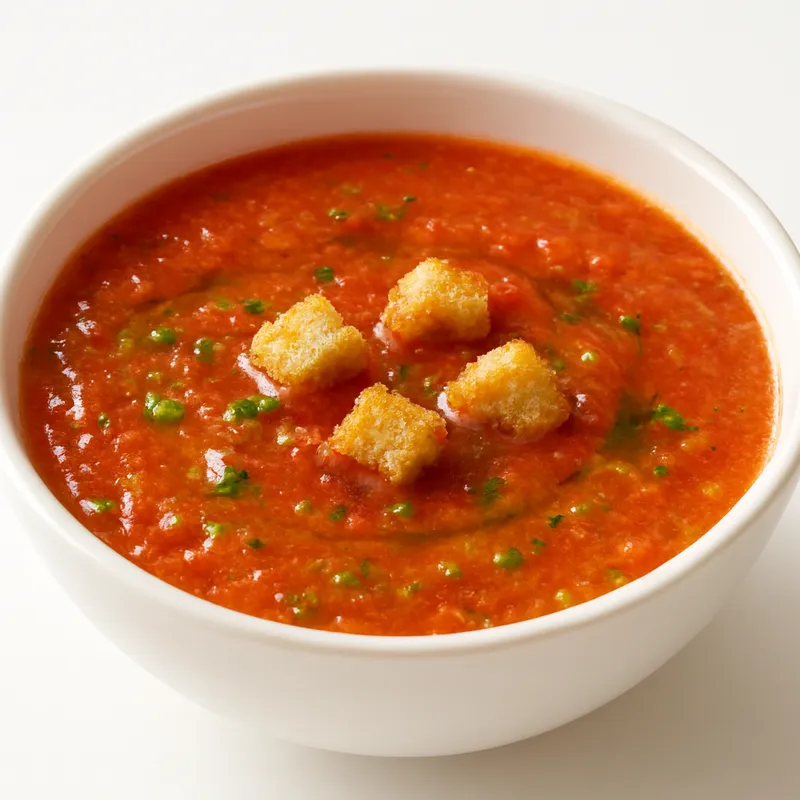
Gazpacho offers a refreshing plunge into the Andalusian tradition, a cold tomato soup that quenches thirst and excites the palate with every chilled spoonful.
Why start here · This dish is perfect for discovering the refreshing elements of Spanish cuisine, especially during warm weather.
Cook First
The easiest way in


The Pantry








See all 293 ingredients›


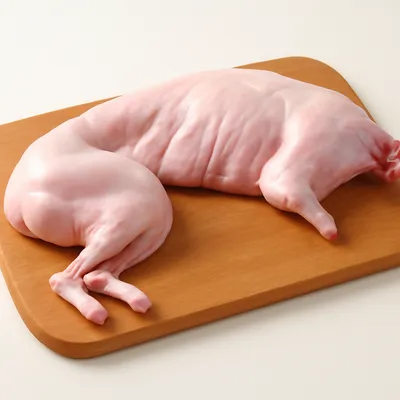
Vegetables


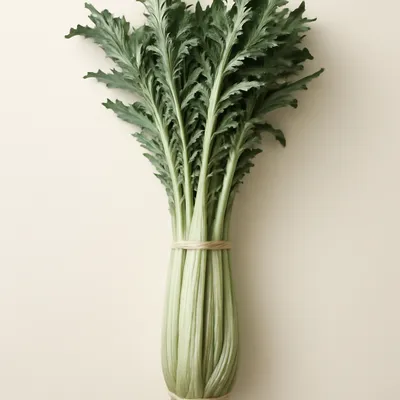


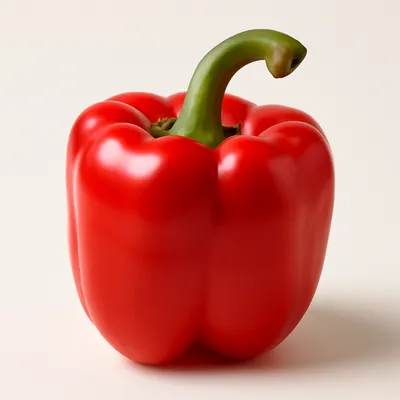


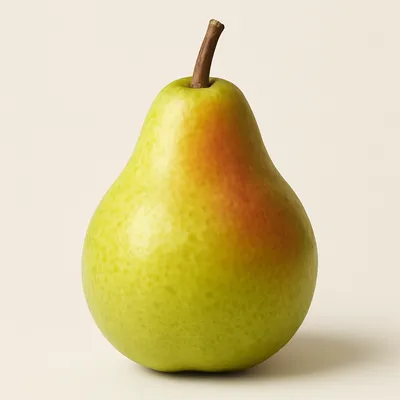




Herbs & Spices





Grains & Staples





Dairy & Fats









Fifteen Regional Kitchens
Fifteen regional kitchens of the peninsula — Andalusian gazpacho and sherry-and-tapas, Catalan tomato-bread and seafood paella, Basque pintxos and Txakoli coast, Galician octopus and Atlantic seafood, Castilian roast suckling pig and cocido, Valencian paella heartland, Asturian fabada and cider, Canarian wrinkled potatoes and mojo, Aragonese ternasco lamb, Extremadura's Iberian dehesa pig, Murcian huerta market garden, Balearic ensaimada and sobrasada, Cantabrian cocido Lebaniego and anchovies, Navarrese menestra and piquillo peppers, Riojan potatoes and wine-country stews. Tap a region to see its table.
Central meseta wheat-and-lamb — cochinillo, tortilla española, manchego.
Moorish-Spanish hot south — gazpacho, fried fish, jamón ibérico, tapas culture.
Mediterranean Iberian refinement — pa amb tomàquet, escalivada, suquet, calçots.
Pintxos and bacalao — Bay of Biscay isolated language and palate.
Rice country — paella socarrat, fideuà, horchata de chufa.
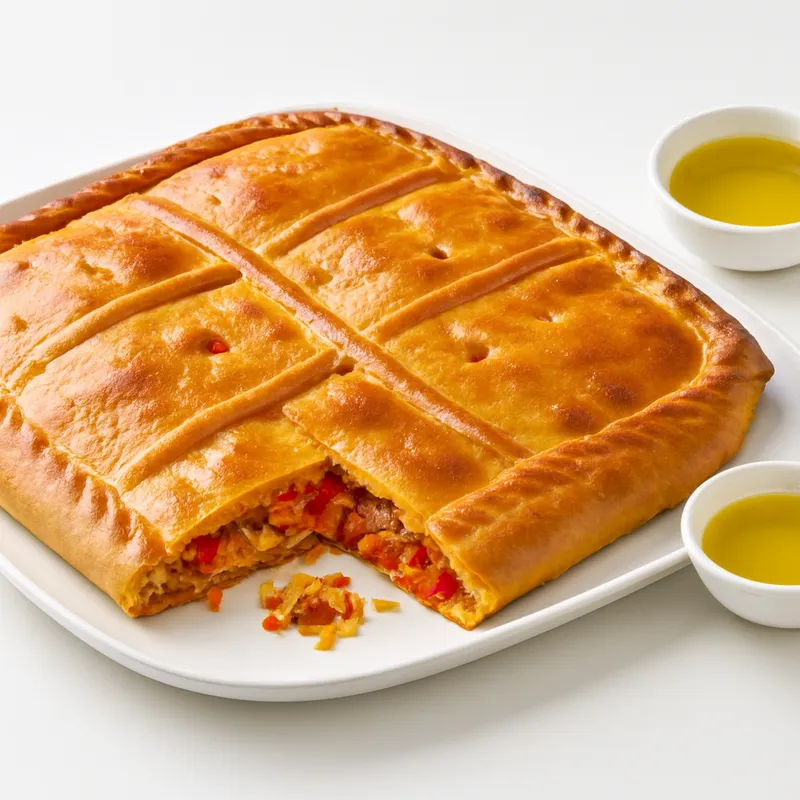
Wet Atlantic northwest — pulpo a feira, padrón peppers, empanada gallega.
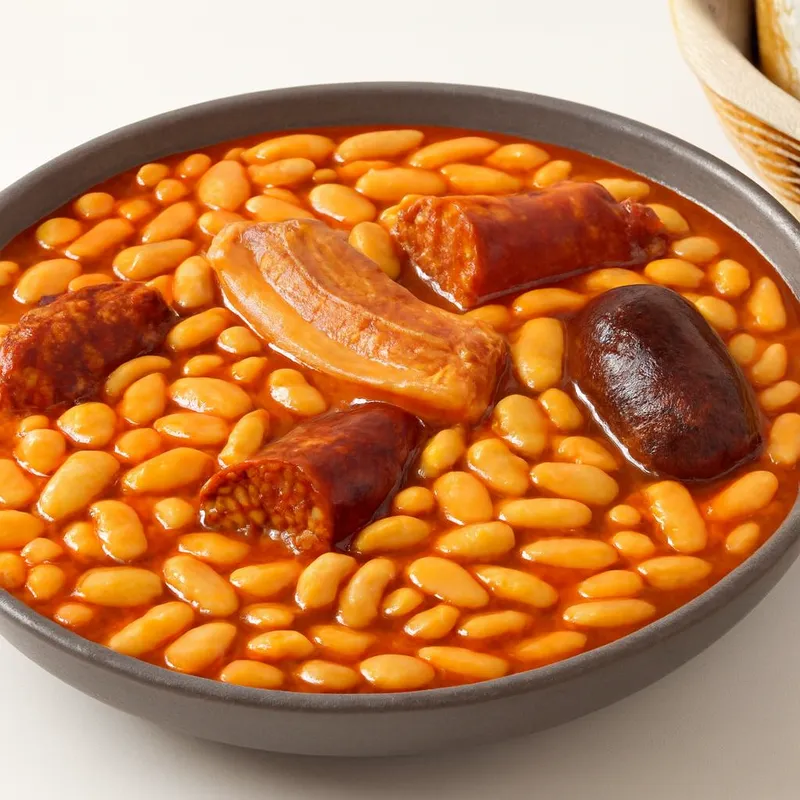
Atlantic cider mountains — fabada, cachopo, sidra escanciada.
Mountain stews and Bay of Biscay anchovies — green Spain between Asturias and the Basque coast.
Dehesa pork country — Iberian jamón, caldereta, Torta del Casar.
Mallorcan lard pastries and paprika sausage — island cooking of the western Mediterranean.
Pyrenees foothills — migas, ternasco, chilindrón red-pepper sauce.
Atlantic islands Berber-Spanish — papas arrugadas, gofio, mojo sauces.
Ebro-valley vegetables and piquillo peppers — garden cooking at the foot of the Pyrenees.
Huerta vegetable plain + Mar Menor lagoon — caldero, zarangollo, pastel de carne.
Wine-country vegetables and vine-fire lamb — the Ebro's market gardens and great red wines.
How They Cook
Techniques that define this cuisine
See 24 more techniques›
Emulsification is crucial in Spanish cuisine for crafting sauces like aioli, which add a creamy, garlic-infused touch to many dishes.
Sauteing in Spanish cuisine is all about unlocking flavors quickly, used in dishes like gambas al ajillo where garlic and shrimp sizzle to aromatic perfection.
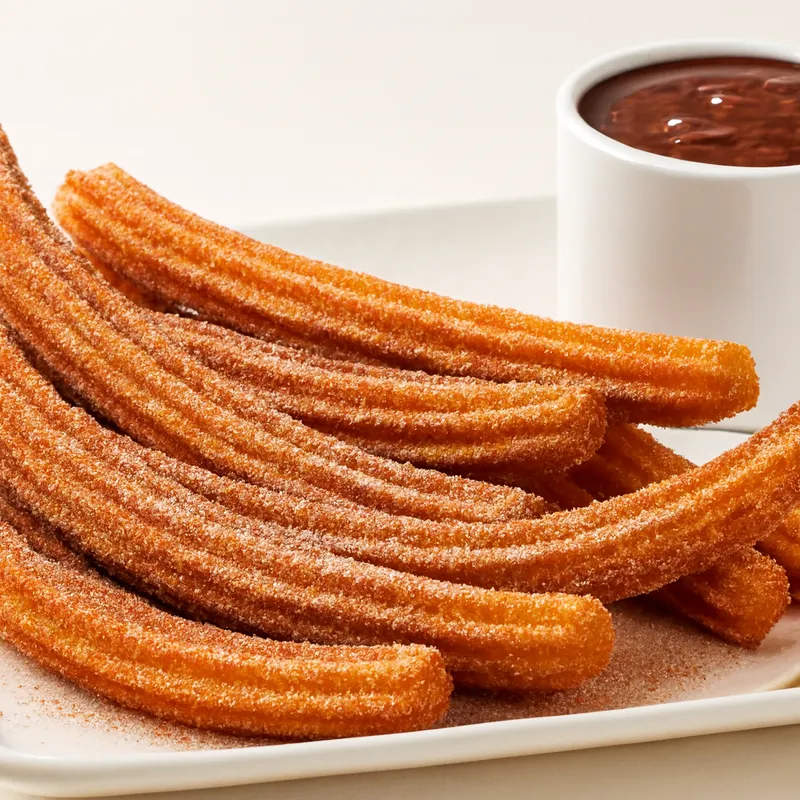
In Spanish cuisine, baking is used to create everything from crusty breads like pan con tomate to sweet pastries such as churros.
Simmering is often employed to coax deep flavors in Spanish soups and stews, allowing ingredients to meld slowly and thoroughly.
Deep frying is an essential technique for creating crisp textures in Spanish tapas like croquetas and patatas bravas.
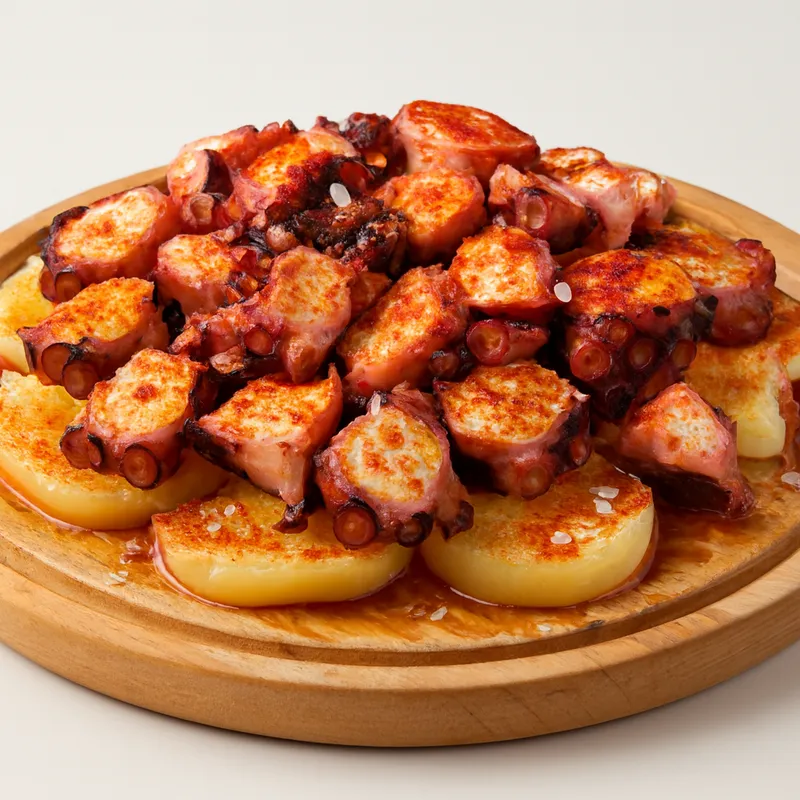
Braising in Spanish cuisine brings depth to dishes such as the tender Pulpo a la Gallega, where octopus is slowly cooked to perfection.
Boiling is a fundamental technique in Spanish kitchens, especially for preparing hearty stews like fabada asturiana, where ingredients are simmered to a flavor-rich consistency.
Kneading is vital in Spanish cuisine for achieving the perfect texture in bread and pastries, ensuring a satisfying bite in each piece.
Signature Dishes (313)
Browse all 313 dishes›
Drinks
12


Starters
61


Soups
17




Mains
134








Sides
21


Sweets
51