Not about pain. About the slow bloom of warmth that makes everything else louder.
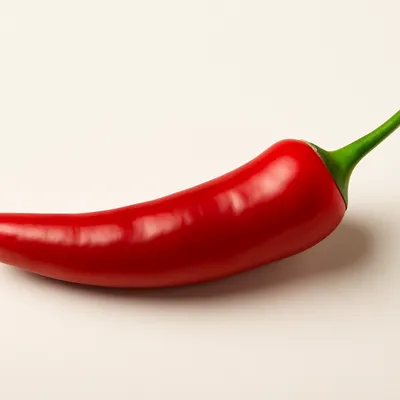
Heat-bearing fruit containing capsaicin; ranges from mild to intensely pungent across hundreds of varieties.
Where it comes from
Chili peppers originated in the Americas, quickly spreading worldwide after the Columbian Exchange, becoming integral to cuisines in Asia, Africa, and beyond.
In the kitchen
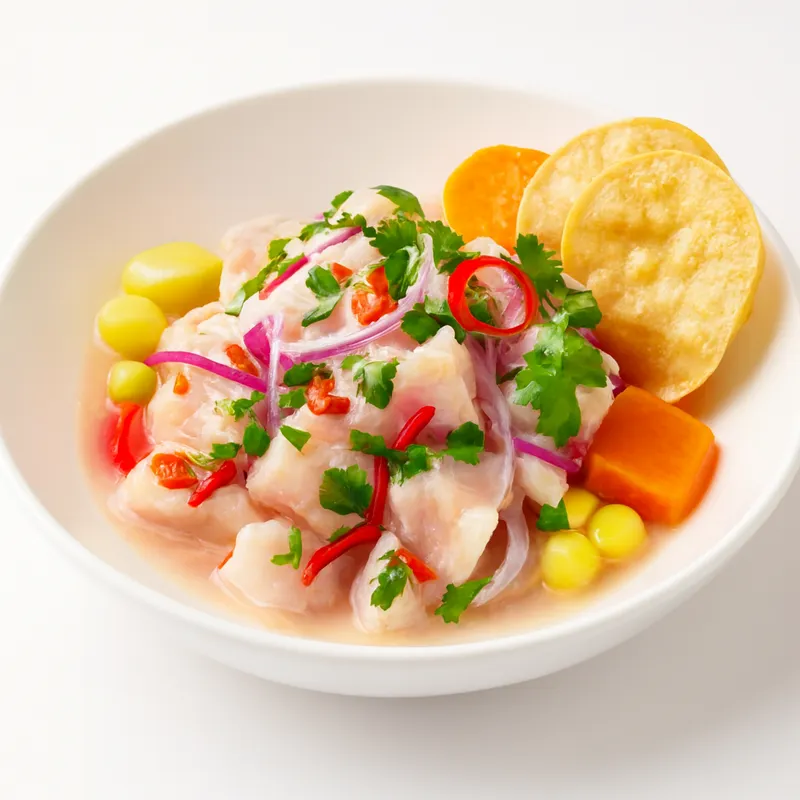
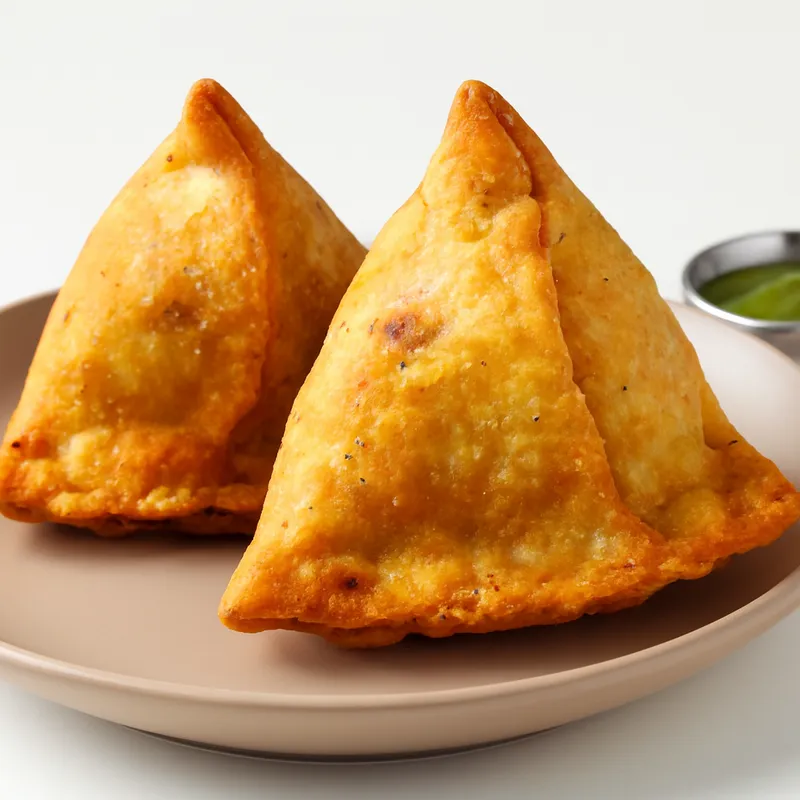
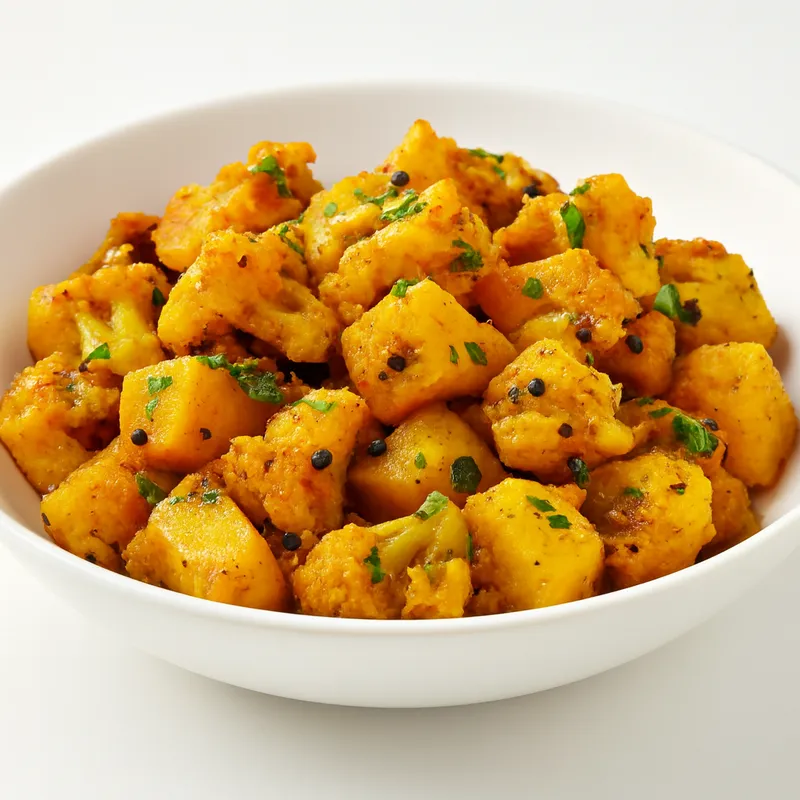
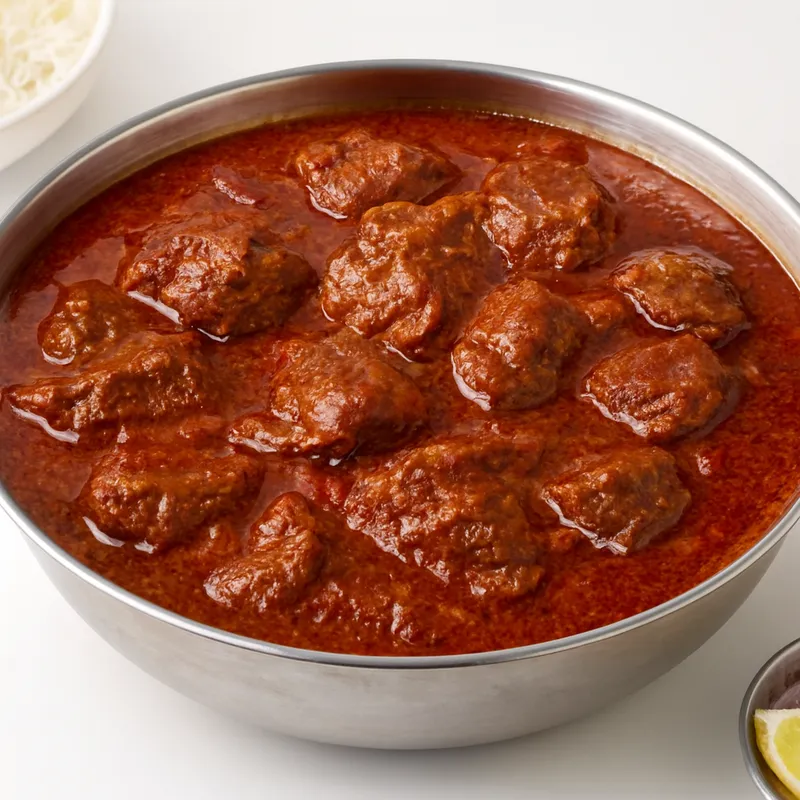
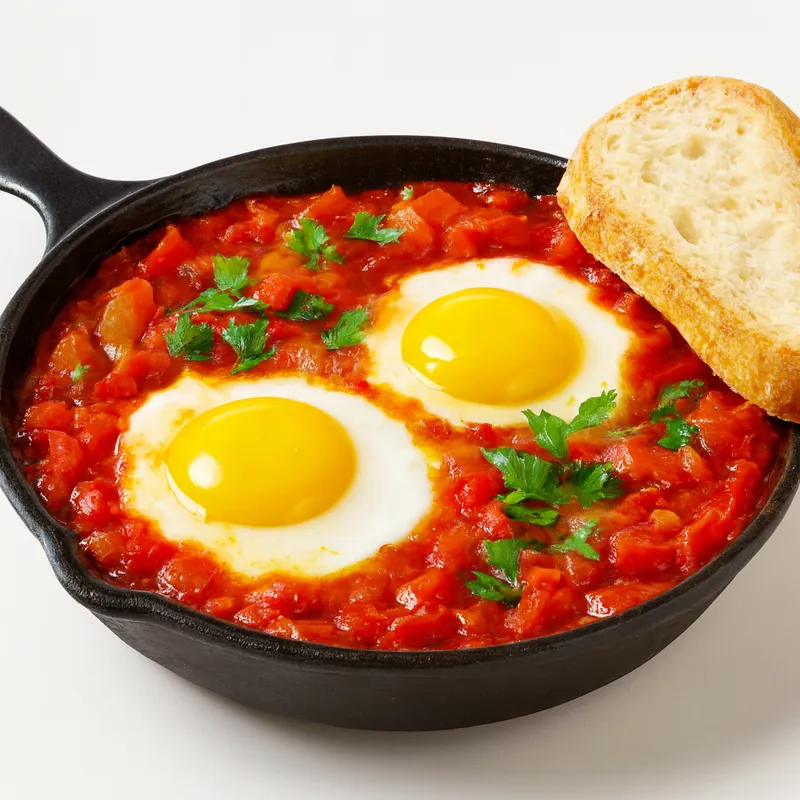
Chili peppers can be used fresh, dried, or ground, imparting heat and complexity to everything from salsas to curries, enhancing overall flavor profiles.
Across cuisines
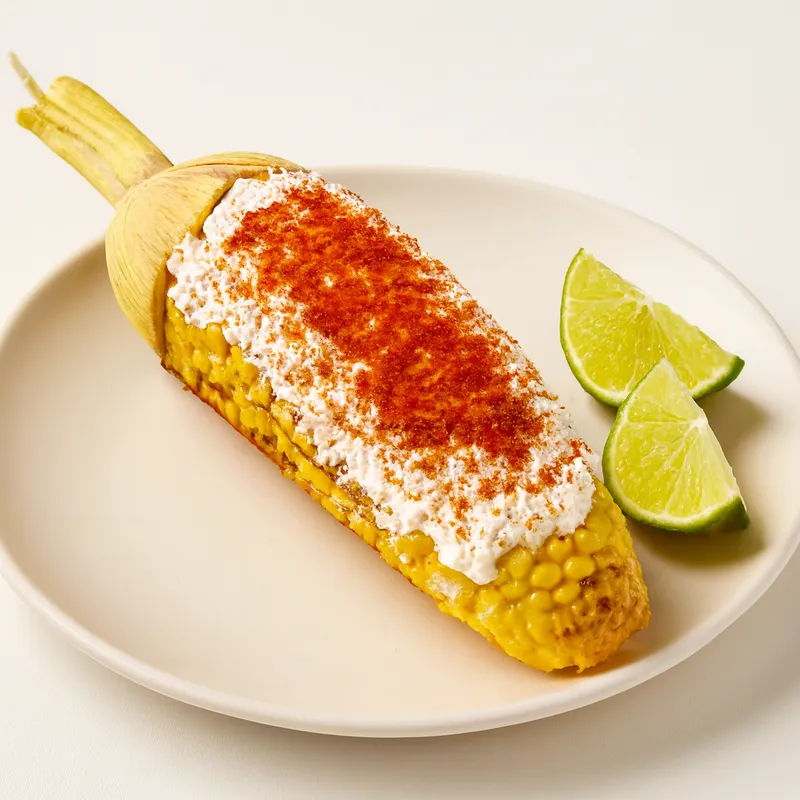
Mexican cuisine uses dozens of chili varieties with distinct profiles: ancho is smoky and fruity, guajillo tart-sweet, chipotle deeply smoked and hot, habanero searing with citrus notes. A single mole often combines three to five different chilies for layered complexity.
Chili — pounded into the sambal that accompanies nearly every Bruneian plate. Source: Wikipedia (Bruneian cuisine).
Nutrition (per 100g)
AI-estimated; model and run unavailable.
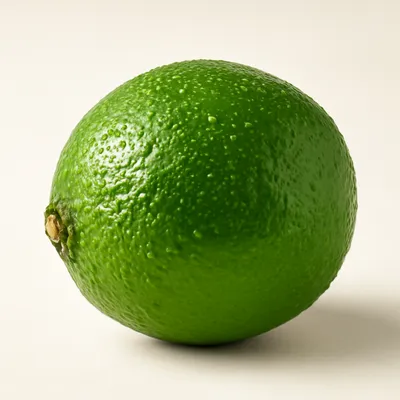
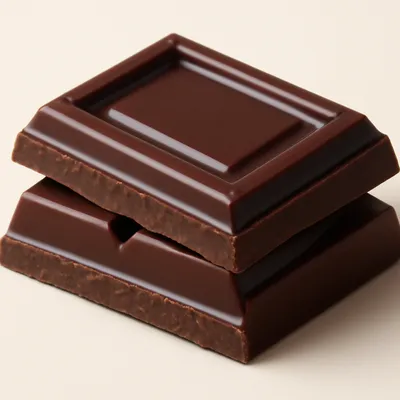
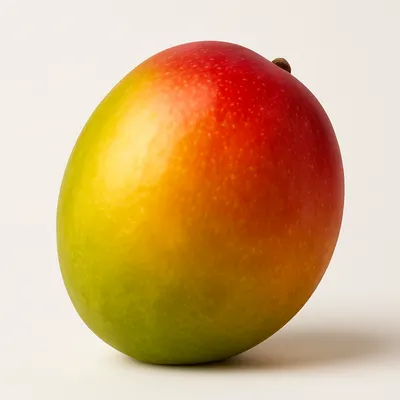
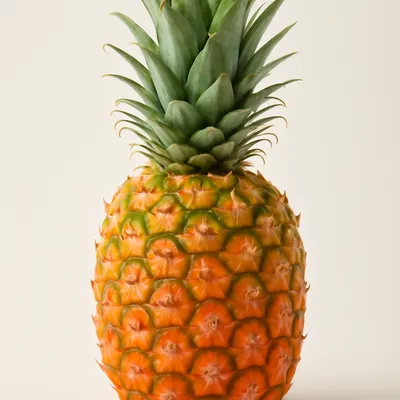
Pairs well with