
Thai
Sweet, sour, salty, spicy — balance is the only rule.
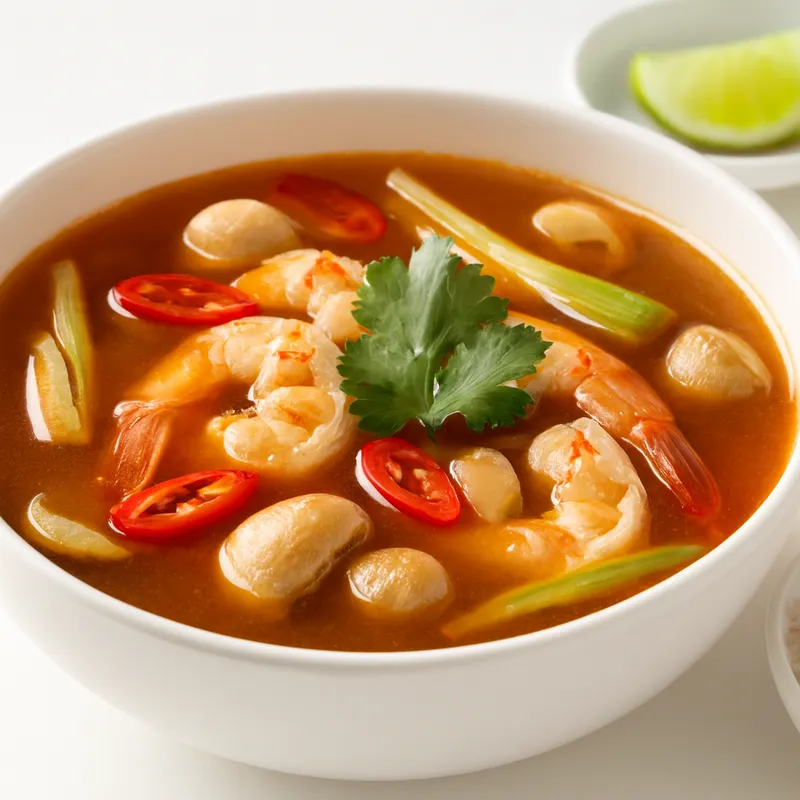
Tom Yum
A hot and sour soup with fragrant herbs like lemongrass and kaffir lime leaves, capturing the essence of Thai cuisine.
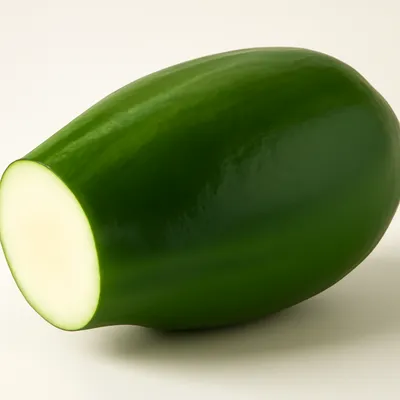
View page →Thai cooking balances four tastes — sour, sweet, salty, and spicy — usually in the same dish, with fish sauce, lime, palm sugar, chilies, and fresh herbs doing the work. Tom yum is the famous hot-and-sour shrimp soup, sharp with lemongrass, galangal, and kaffir lime leaf. Green and red curries are built from pounded chili paste loosened with coconut milk, while pad thai (stir-fried rice noodles with egg, tamarind, peanuts, and dried shrimp) and pad krapao (minced meat fried with holy basil and chili, topped with a fried egg) are everyday plates. Som tam, the green-papaya salad pounded in a mortar with lime, chili, and dried shrimp, comes from the northeastern Isan region and is eaten with sticky rice and grilled chicken. Mango with sweet coconut sticky rice is the dessert everyone knows.
The Palate
What makes it taste like itself
Dishes to explore
Boat Noodles
A broth rich with umami from pork blood and spices, best slurped quickly in a Bangkok alley.
Boat Noodles teach you that Thai cooking is about deep, layered flavors that thrive on intensity.
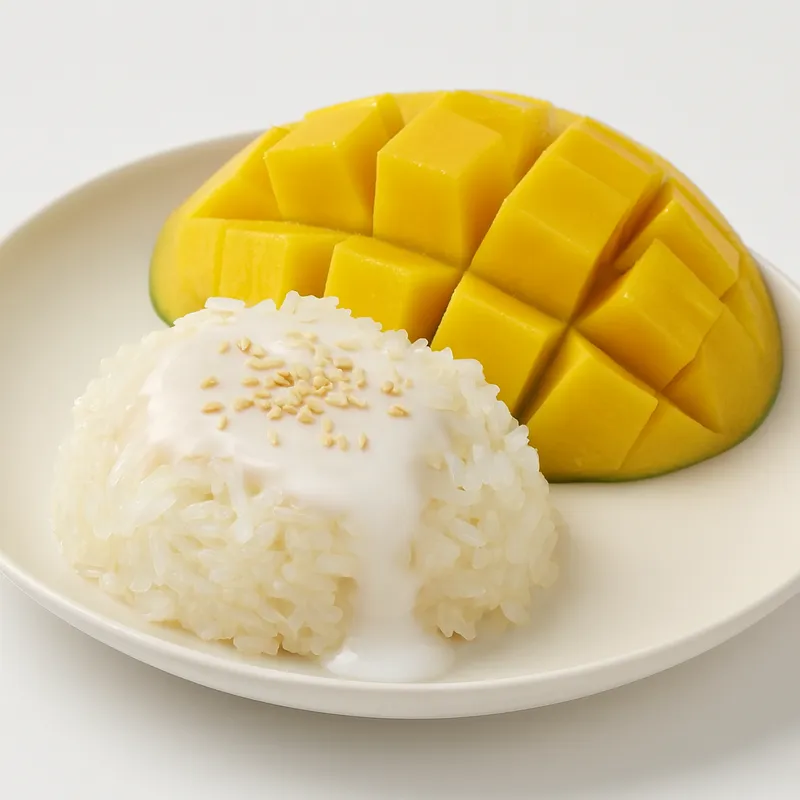
Mango Sticky Rice
Silky mangoes embracing sticky rice, all playfully doused with sweet coconut milk.
Mango Sticky Rice is the dessert that emphasizes the importance of balance between texture and taste.
Tom Yum
A hot and sour soup that awakens the senses with lemongrass, kaffir lime, and fiery chilies.
Tom Yum offers a lesson in how Thai cuisine uses aromatics to elevate the simplest broth.
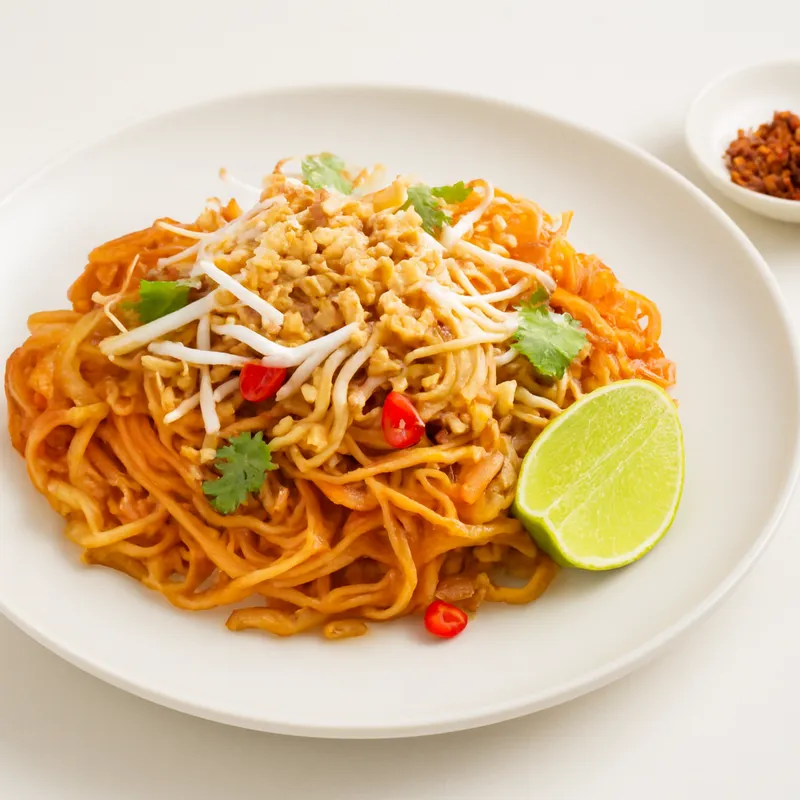
Pad Thai
Stir-fried noodles jumbled with shrimp, peanuts, and a squeeze of lime—chaos perfected.
Pad Thai captures the Thai philosophy of balancing sweet, sour, and salty in a single, accessible dish.
Cooking options
Food choices favor cuisine selections and manageable preparation; check each recipe before cooking.
The Pantry





See all 301 ingredients›
Proteins





Vegetables




Fruits



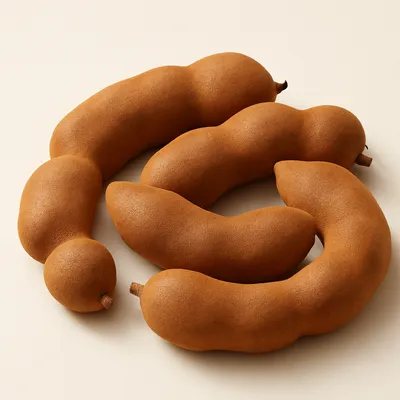
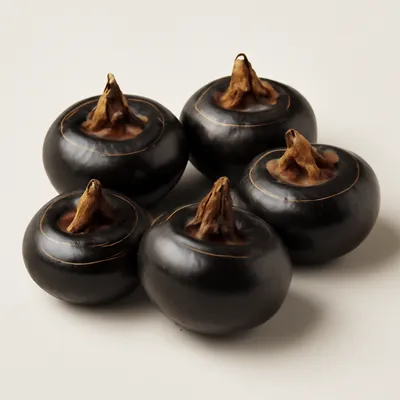
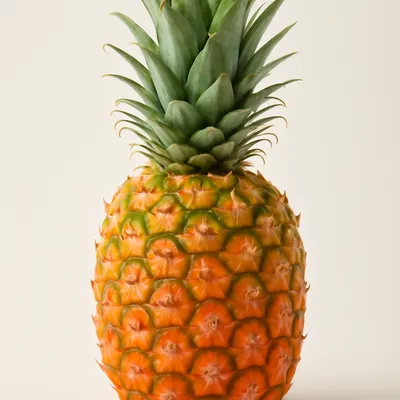
Herbs & Spices
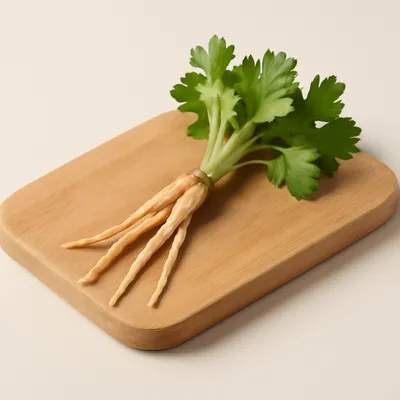




Grains & Staples




Dairy & Fats






Sauces & Condiments




Other

Regional Kitchens
Four regional kitchens, from Lanna north to the Malay-Muslim south. Tap a region to see its table.
Royal palace inheritance — pad thai, tom yum, green curry, mango sticky rice. The face the world knows.
Malay-Muslim influence — gaeng tai pla, khua kling, massaman. Hottest in the country, turmeric-yellow, seafood-heavy.
Northeast Lao-shared region — som tum, larb, gai yang, sticky rice, padaek funk.
Lanna kitchen — khao soi, sai oua, gaeng hang lay. Sticky rice, pork-forward, curries built on dried spice paste.
How They Cook
Methods linked to dishes in this catalog
Stir Frying
Thai stir frying often uses a searing hot wok to quickly toss ingredients like Thai basil and chilies, infusing intense flavors in dishes like Pad Krapao.
See 20 more techniques›
Thai steaming uses a bamboo basket over boiling water to cook sticky rice, infusing it with pandan leaves for a fragrant base in mango sticky rice.
Grilling in Thai cuisine emphasizes a smoky char, enhanced by marinating meats in a blend of fish sauce, sugar, and lime.
Deep frying in Thai kitchens achieves a crispiness marked by lightness, as seen in crackling Tod Mun and airy shrimp cakes.
In Thai cuisine, simmering gently coaxes flavors from a medley of herbs and spices, forming the backbone of many soups and curries.
Thai braising often includes coconut milk, creating a rich and creamy sauce that tenderizes meat while infusing it with tropical flavors.
Related cuisines
Linked by ingredient records in this catalog