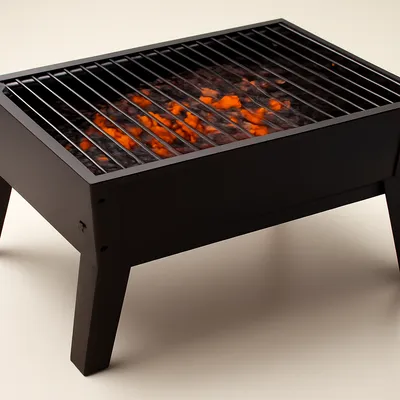
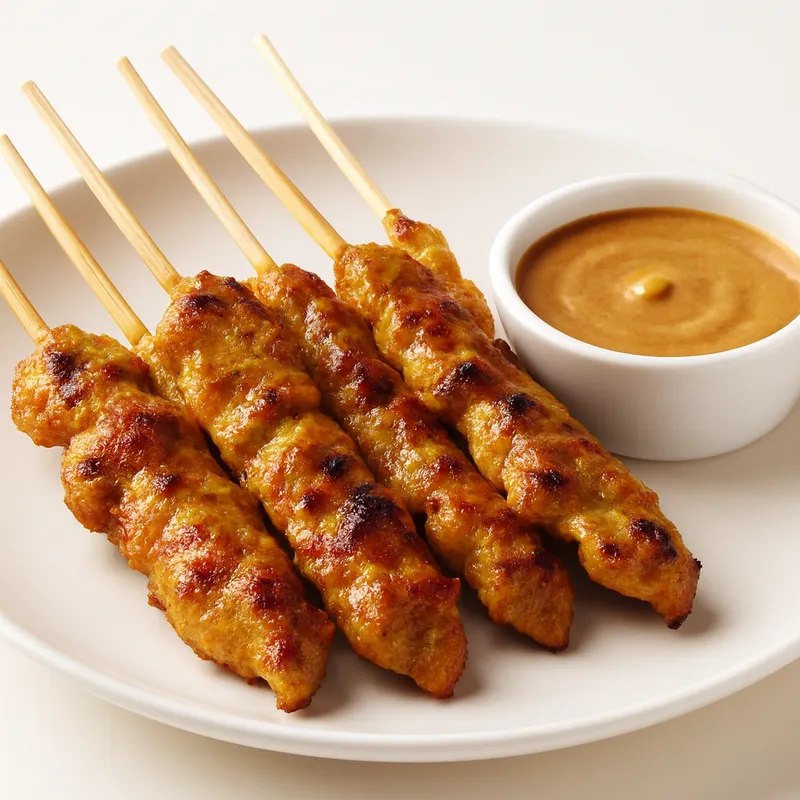
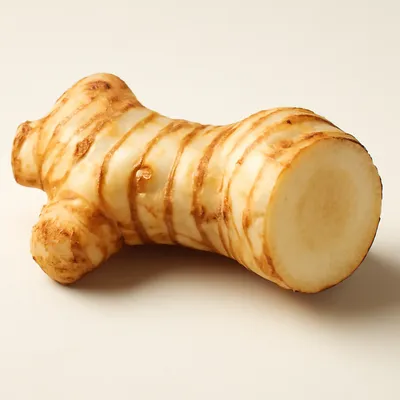
Jin Tup is a Tai Yai (Shan) and Lanna dish of beef salted and half-dried, grilled over charcoal, then pounded with a mallet until the fibers break apart into soft, smoky, hand-pulled strips. The pounding tenderizes tough, lean beef and frays it into shreds that hold the char and any garlic or aromatics beaten in with it. It is served as fluffy ribbons of smoky beef, classically eaten with nam prik kha — a galangal-and-chili dip — and sticky rice. The name says it plainly: jin (meat, in the northern/Shan word) that is tup (pounded).



A Tai Yai (Shan) and Lanna dish with no fixed date, strongly associated with the Shan communities of Mae Hong Son and northern Chiang Mai and with cattle-raising upland areas. It belongs to an old highland logic of preserving and tenderizing meat without refrigeration: salting and partial drying keep the beef, while grilling and pounding turn an otherwise tough cut into something soft enough to eat with rice. In the northern/Shan dialect jin means meat (where central Thai says nuea), and the dish sits within the same Tai-language tradition of grilled-and-pounded or grilled-and-shredded meats found across the uplands. It is humble market and home food, not a festival or court dish.
Loose, fluffy ribbons of dark, dry-edged beef that pull apart like coarse floss yet stay tender, never jerky-hard. The flavor leads with charcoal smoke and concentrated beef — the half-drying deepens the meatiness — over a clean salt base, with garlic and sometimes a little fat beaten through. There is no sauce on the meat itself; the heat and tang come from the side of nam prik kha, whose galangal sharpness and chili cut straight through the rich, smoky beef. With sticky rice you pinch a wad, pick up a tuft of beef and a dab of the dip in one bite — chewy rice, soft smoky shreds, hot galangal chili.
Pounding is mechanical tenderizing: lean beef is tough because of long, tightly bundled muscle fibers and connective tissue, and beating the grilled meat with a mallet physically shears those bundles apart, the same principle as a pounded schnitzel or pounded dried squid, turning a chewy slab into soft, separable strands. Partial drying first concentrates flavor and firms the surface so it grills and frays cleanly rather than steaming; the salt cure both seasons and draws out moisture for that preservation. Grilling over charcoal layers in smoke and Maillard char before the pounding opens the meat up and works in the garlic and aromatics. The dish is left unsauced on purpose so the pounded beef stays a dry, smoky foil to the wet, sharp nam prik kha eaten with it.
Variations
Beef is classic, but buffalo or pork is pounded the same way in some Shan kitchens; the meat may be plain-salted or marinated with garlic and herbs before grilling, and a little oil or fat is sometimes beaten in to keep the shreds moist. The standard partner is nam prik kha (galangal-chili dip), though some eat it with other nam prik. It is a close relative of other Tai grilled-and-pounded meats and of the dried-meat snacks of the uplands; jin tup keeps its soft, fluffy, freshly-pounded texture rather than the hard chew of fully dried jerky, which is its defining quality.
On the Palate
Where Jin Tup sits in the Thai flavor cloud
Ingredients
Serves 4
How it's made
5 steps · 30 min
- 135 min
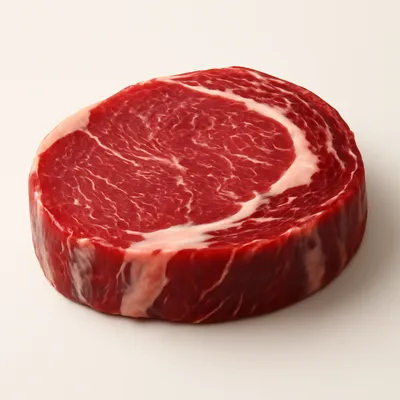
Cut beef across the grain into slabs about 1 cm thick; rub with salt and a little garlic and leave to cure 30 minutes.
- 2180 min
Spread the salted beef out and half-dry it — a few hours in the sun, or low in the oven — until the surface is dry and firm but the inside still pliable.
Watch outHalf-dry only until the surface is dry and firm but the inside still bends — dry it right through and it won't fray into soft shreds after pounding.
- 312 min
Grill the half-dried beef over charcoal, turning, until smoky, charred at the edges and just cooked through.
Watch outGrill just to smoky and charred at the edges and no more; push it to well-done and the lean meat seizes tough before you ever get to the mortar.
- 410 min
Pound the hot grilled beef in a mortar or on a board with a mallet, with garlic and a little oil, until the fibers break apart into soft, fluffy shreds.
Watch outPound while the meat is still hot — heat keeps the fibers loose so they shear into fluffy strands; let it cool and it just bruises instead of fraying.
- 53 min
Pile the pounded beef on a plate and serve with nam prik kha and sticky rice.
Archive tool suggestions — not reviewed
These legacy suggestions have not been evidence-reviewed and are not presented as required tools.