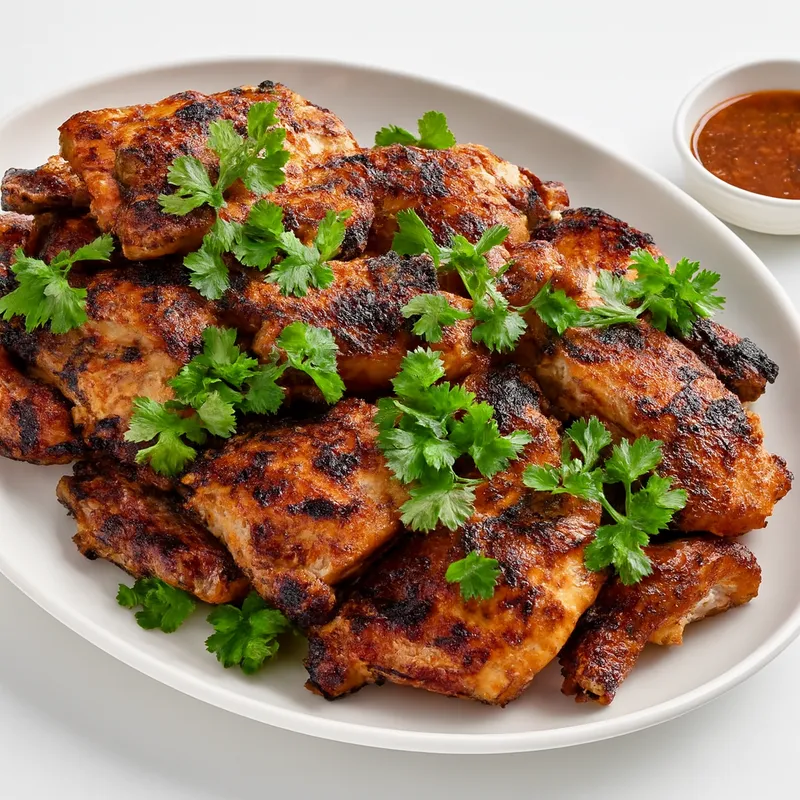
An Isaan and Lao raw beef salad in which finely sliced lean meat is dressed with raw lime juice, fish sauce, toasted rice powder, chili, shallot and herbs, then eaten almost immediately. Unlike larb, the beef is sliced or thinly chopped rather than minced fine, and it is never cooked over heat — the acid alone firms and pales the surface. Buffalo is the older meat; beef is the common modern stand-in. It is a confident, blood-warm dish built for drinkers and shared plates.
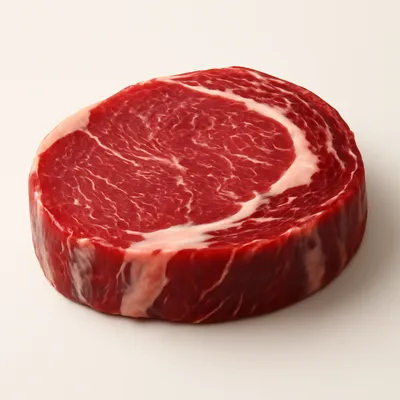


Koi belongs to the Lao-speaking world that straddles the Mekong — today's northeast Thailand (Isaan) and Laos — and predates the modern border drawn between them. It is one of a family of fresh raw-meat preparations (koi, lu, sa) in which meat is 'cooked' by acid and seasoning rather than fire, a tradition tied to fresh slaughter in villages without refrigeration. No founding date is recorded; it is an old folk dish of the Khorat plateau and the Mekong valley. Because it is raw, koi is traditionally eaten only when the meat is very fresh, and many cooks now make it with parboiled or seared beef out of safety.
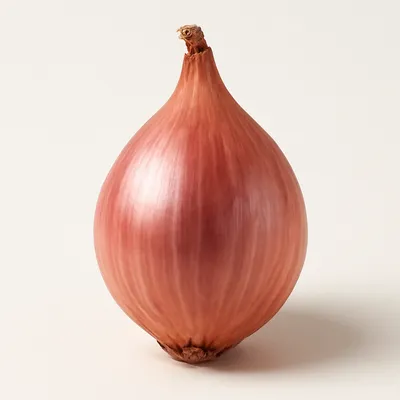
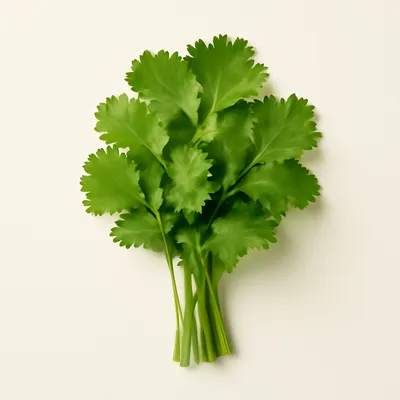
Cool ribbons of raw beef slicked with lime and fish sauce, the edges turned grey-pink where the acid has bitten in while the centre stays red and tender. Toasted rice powder gives a nutty grit, dried chili a slow climbing heat, mint and sawtooth coriander a green lift, sliced shallot a sweet bite. It is sour-forward, faintly metallic in the best way, and meant to be chased with hand-rolled sticky rice and raw vegetables.
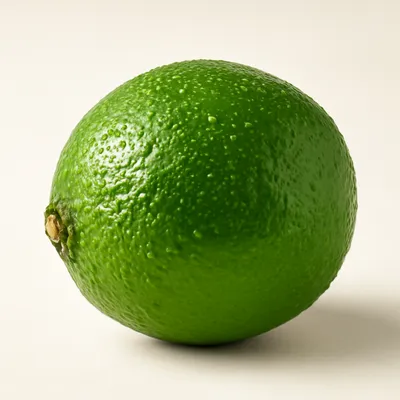
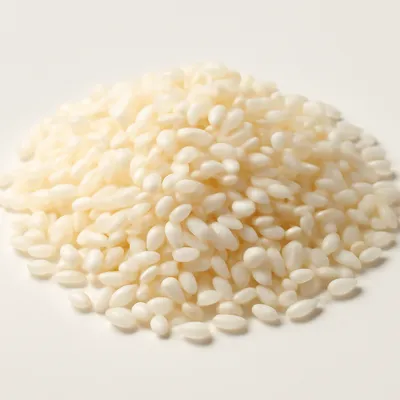
This is acid denaturation, not heat: the citric acid in lime juice (around pH 2) lowers the surface pH of the beef, unwinding the muscle proteins so they coagulate and turn opaque much as heat would, firming the texture and dulling the red without ever reaching a cooking temperature. The reaction is shallow and quick, so the meat is dressed late and eaten fast before it weeps and toughens. Toasted glutinous rice ground coarse (khao khua) is the load-bearing seasoning — it blots the lime-and-fish-sauce liquid onto the meat and carries the smoky note, while the fish sauce supplies salt and glutamate umami that the raw beef alone lacks.
Variations
Koi neua uses beef; koi kwai is the older buffalo version; koi pla is made with raw freshwater fish (riskier and now often discouraged). Some cooks add a spoon of warm raw blood (koi leuat) for richness and colour. Safety-minded versions parboil or briefly sear the beef, blurring the line toward larb; the true koi distinction is the slice (not mince) and the raw, acid-led dressing.
On the Palate
Where Koi Neua sits in the Thai flavor cloud
Ingredients
Serves 4
How it's made
6 steps · 30 min
- 18 min
Slice very fresh lean beef across the grain into thin bite-size pieces and keep cold.
- 26 min
Toast raw glutinous rice in a dry pan until deep golden and fragrant, then pound to a coarse powder.
Watch outToast the glutinous rice to a deep gold and fragrant before pounding — pale rice gives no smoky note and won't blot up the dressing.
- 35 min
Slice shallots; pick mint and sawtooth coriander; pound or slice dried chili to flakes.
- 42 min
Just before serving, dress the beef with lime juice and fish sauce and toss until the surfaces turn pale.
Watch outToss the beef with lime and fish sauce only until the surfaces turn pale — that's the acid "cooking" it; dress it too early and it weeps and toughens before serving.
- 52 min
Add chili flakes, toasted rice powder, shallot and herbs; toss once more and taste for sour-salt-heat balance.
- 61 min
Serve immediately with sticky rice and raw vegetables, before the meat releases its juices.
Archive tool suggestions — not reviewed
These legacy suggestions have not been evidence-reviewed and are not presented as required tools.