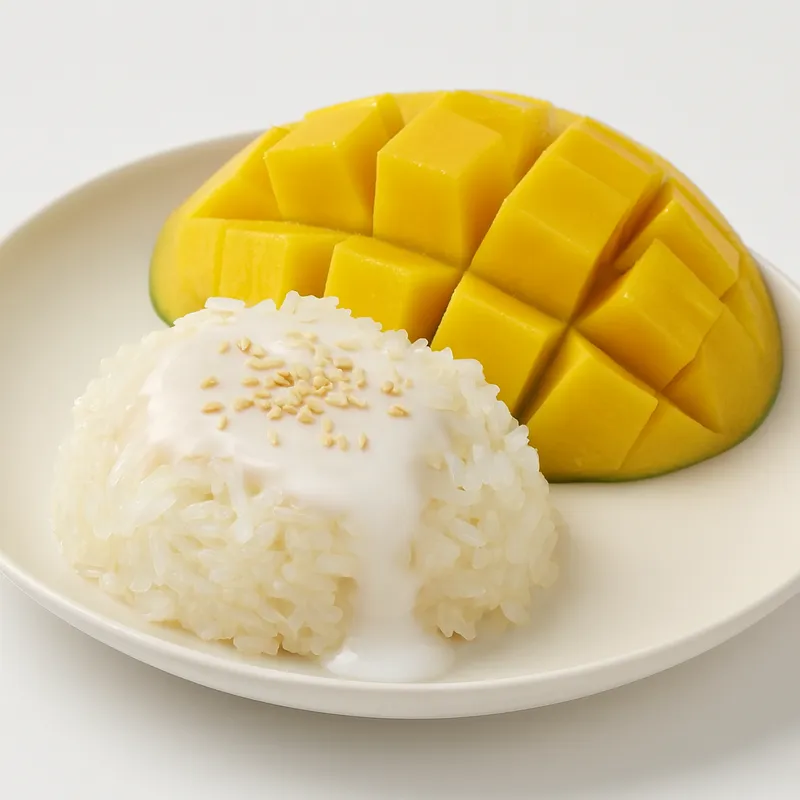
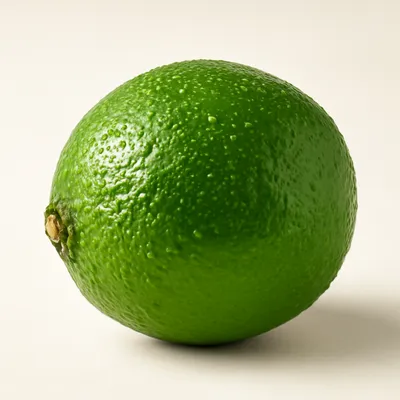
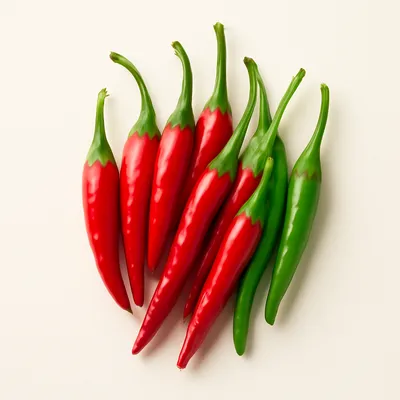
A build-it-yourself one-bite snack: a wild betel leaf is cupped in the hand, dabbed with a thick palm-sugar-and-tamarind sauce, and loaded with a mosaic of tiny toppings — toasted coconut, a cube of lime with its rind, diced ginger and shallot, roasted peanuts, dried shrimp, and a slice of bird's eye chili — then folded into a parcel and eaten whole. The point is the explosion of sweet, salty, sour, bitter, and hot all at once, plus the crunch of coconut and peanut against the fresh herbal leaf. Miang kham has roots in the north and is beloved across Thailand as a snack and a refined starter.

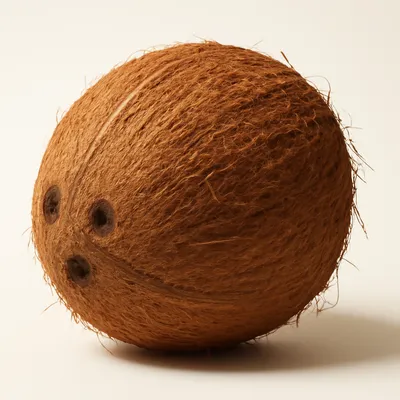

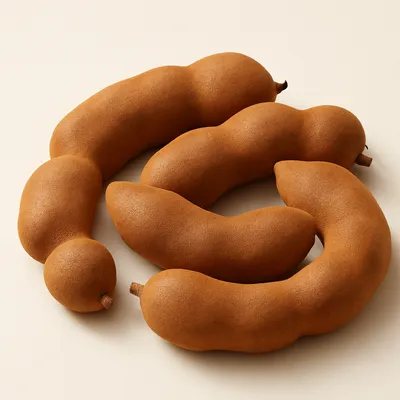
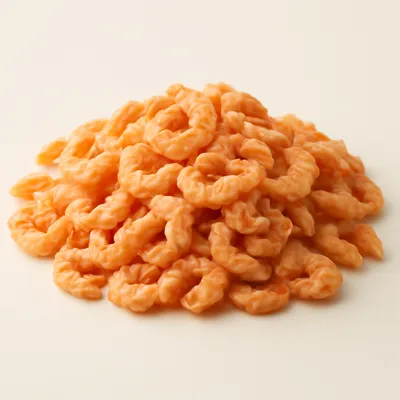

Miang kham descends from the northern Thai and Lao tradition of miang — leaf-wrapped morsels — whose oldest form used fermented tea leaf as both wrapper and filling, a practice tied to the tea-growing hills of the Lanna kingdom. The name says what it is: miang is food wrapped in a leaf and kham means a single bite or mouthful. Over time the fresh-leaf version built around cha phlu, the wild betel or wild pepper leaf (Piper sarmentosum), became the popular form. The dish is said to have been carried from the Lanna court into the central Siamese palace in the reign of King Rama V by Princess Dara Rasmi, a Chiang Mai consort, after which it spread as a refined nationwide snack — a lineage often repeated though hard to document precisely. Today it is genuinely pan-Thai, eaten on the street and served at the table alike.
You feel the leaf first — slightly peppery, fresh, faintly bitter, with a sturdy snap. Then the whole mouth lights up: palm-sugar sweetness and tamarind sourness from the sauce, salt and a deep marine umami from the dried shrimp, heat from the chili, sharp bite from raw shallot and ginger, and a startling citrus bitterness from the cube of lime eaten rind and all. Under it runs the warm nuttiness of toasted coconut and the crunch of peanut. No single flavor wins; the experience is the simultaneous collision of all of them, resolving into balance, and it changes a little with every bite you build.
Miang kham is a live demonstration of Thai flavor balance — the five tastes engineered to land together rather than blend. The thick sauce is the anchor: palm sugar is melted and reduced with tamarind, fish sauce or shrimp paste, and aromatics until it is syrupy enough to cling to a leaf without dripping, often thickened further with pounded toasted coconut, ginger, and shallot, which also build a roasted depth. Toasting the coconut and dry-roasting the peanut and shrimp drive Maillard browning and unlock nutty, savory aroma compounds while removing moisture for crunch. The raw components are deliberately pungent and unmellowed — bird's eye chili for capsaicin heat, raw shallot and ginger for sharp volatiles, and crucially the lime cube eaten with its peel, whose rind oils add aromatic bitterness that keeps the sweetness from cloying. Wrapping the lot in a single leaf forces every taste onto the tongue at the same instant; that simultaneity, not any one ingredient, is the dish.
Variations
The wild betel leaf is classic, but when it is scarce cooks substitute other sturdy edible leaves. The topping set is flexible — some add roasted dried coconut, others fresh; galangal or lemongrass sometimes joins the diced aromatics, and a few versions add a little crisp pork or roasted sesame. A drier, mix-it-all-together form called miang kham song khrueang is served as a salad-like scoop rather than wrapped. The sauce's sweet-sour-salty ratio is the cook's signature and varies widely from stall to stall.
On the Palate
Where Miang Kham sits in the Thai flavor cloud
Ingredients
Serves 4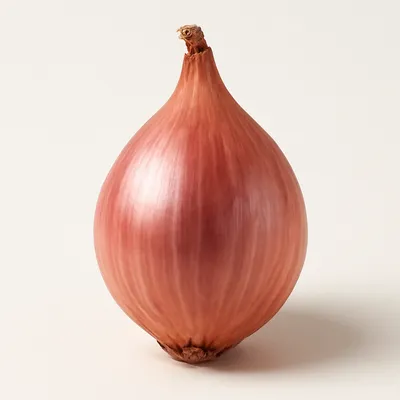

How it's made
8 steps · 35 min active + 5 min waiting
- 16 min
Dry-toast shredded coconut in a pan over low heat, stirring, until evenly golden and fragrant; set aside.
Watch outToast the coconut low and slow, stirring, just to even gold and nutty aroma — it scorches fast at the edges and turns bitter.
- 25 min
Dry-roast the peanuts and the dried shrimp separately until crisp and aromatic.
- 38 min
Make the sauce: melt palm sugar with a little water, add tamarind, fish sauce or shrimp paste, and a paste of pounded toasted coconut, ginger, and shallot.
- 46 min
Simmer the sauce, stirring, until thick and syrupy enough to coat a spoon, then cool.
Watch outSimmer the sauce until it thickens to a syrup that coats the back of a spoon — too thin and it drips off the leaf instead of clinging.
- 55 min
Dice the shallot, ginger, and lime (rind on), and slice the bird's eye chili.
- 64 min
Wash and dry the wild betel leaves and arrange all the toppings and the sauce in separate piles.
- 73 min
To eat, cup a leaf, spoon on a little sauce, add a pinch of each topping, fold into a parcel, and eat in one bite.
- 82 min
Serve as an interactive platter so each person builds their own wraps to taste.