Lime
The zesty wake-up call that brightens every bite.
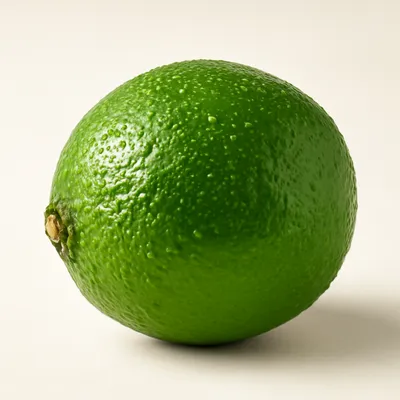
Lime delivers a sharp, zesty punch with its bright acidity and fragrant aroma, instantly elevating dishes with its refreshing tartness. Its vibrant green hue is as lively as its flavor.
Where it comes from
Native to Southeast Asia, lime has become an essential ingredient in cuisines worldwide, often associated with tropical and Latin flavors.
In the kitchen
Crucial for balancing flavors, lime juice and zest are used in marinades, dressings, and beverages, cutting through richness and adding brightness.
Across cuisines
A cut lime is placed on every taco plate — the squeeze applied at the table is not garnish but a functional acid hit that cuts the fat in the pork or beef. Aguachile and ceviche use lime juice as the cooking medium for shrimp, where the acidity denatures the protein in 10–20 minutes. Agua de Jamaica (hibiscus agua fresca) is finished with lime for a balancing tartness against the floral sweetness.
Lime arrives at the end of cooking in Thai cuisine — adding it early destroys the volatile aromatics. In nam jim jaew (roasted chili dipping sauce) and the finishing of Gaeng Tai Pla, the juice is squeezed tableside or just before serving. Kaffir lime leaves (bai makrut) are used differently: torn and added whole to curry pastes and coconut broths for floral, resinous fragrance rather than acidity.
Nuoc cham — the all-purpose table condiment — requires lime juice (not lemon) balanced against fish sauce, palm sugar, garlic, and chili. The ratio is tight: too much lime makes it sharp rather than rounded. In Banh Beo and other rice cake dishes, a small squeeze of lime is the final adjustment, brightening the dried shrimp and scallion topping.
Notable varieties
Smaller, thinner-skinned, more aromatic than Persian lime. Higher acid with a distinct floral-bitter edge. Essential in Key Lime Pie where the concentrated juice sets the custard and provides the characteristic tartness.
Seedless, thick-skinned, lower acid than Key Lime. The standard lime in most supermarkets outside Asia. Preferred for garnishing and squeezing over tacos and grilled fish because consistent juice yield.
Whole limes (often Key Lime) dried until black and hollow. Cracked and added to stews and rice dishes for a fermented, earthy-sour flavor unachievable with fresh lime. Standard in Persian gheimeh and Iraqi seafood stews.
Nutrition (per 100g)
AI-estimated; model and run unavailable.
Pairs well with