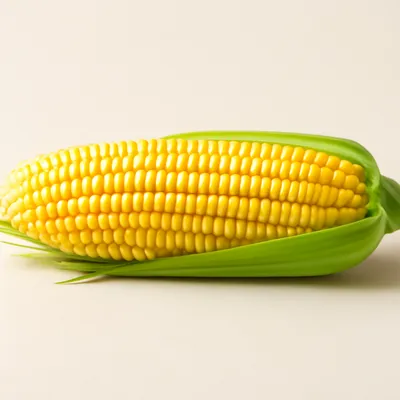
Sweet and succulent, corn bursts with a juicy crunch and a golden-yellow hue that brightens up any dish. Its natural sweetness and earthy flavor make it a cherished ingredient across cuisines.
Where it comes from
Domesticated by Indigenous peoples in Mesoamerica over 7,000 years ago, corn has played a central role in various culinary traditions, symbolizing sustenance and cultural identity.
In the kitchen
Corn is often grilled, steamed, or used in salads and salsas, adding a burst of sweetness and texture, while also serving as a key ingredient in tortillas and cornbread.
Across cuisines
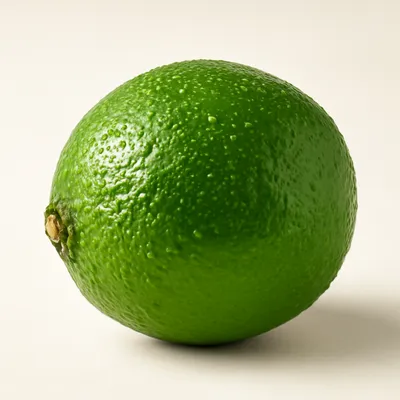
Mexican cuisine often uses nixtamalization to process corn, a technique that involves soaking and cooking corn in an alkaline solution, usually limewater. This process enhances the nutritional value and flavor of the corn, making it a staple for masa harina, which is used in tortillas, tamales, and sopes. Nixtamalized corn is the base for many traditional dishes, providing a distinctive taste and texture.
In Argentinian cuisine, corn is often steamed and seasoned, particularly in dishes like humita en chala. Fresh corn is grated and mixed with spices and cheese, then wrapped in corn husks and steamed. This method highlights the natural sweetness of the corn while infusing it with savory flavors.
Sacred to Mayan cosmology, ubiquitous on the plate — tortillas, tamales, chuchitos, atol de elote drink, masa for everything.
Nutrition (per 100g)
AI-estimated; model and run unavailable.
Pairs well with