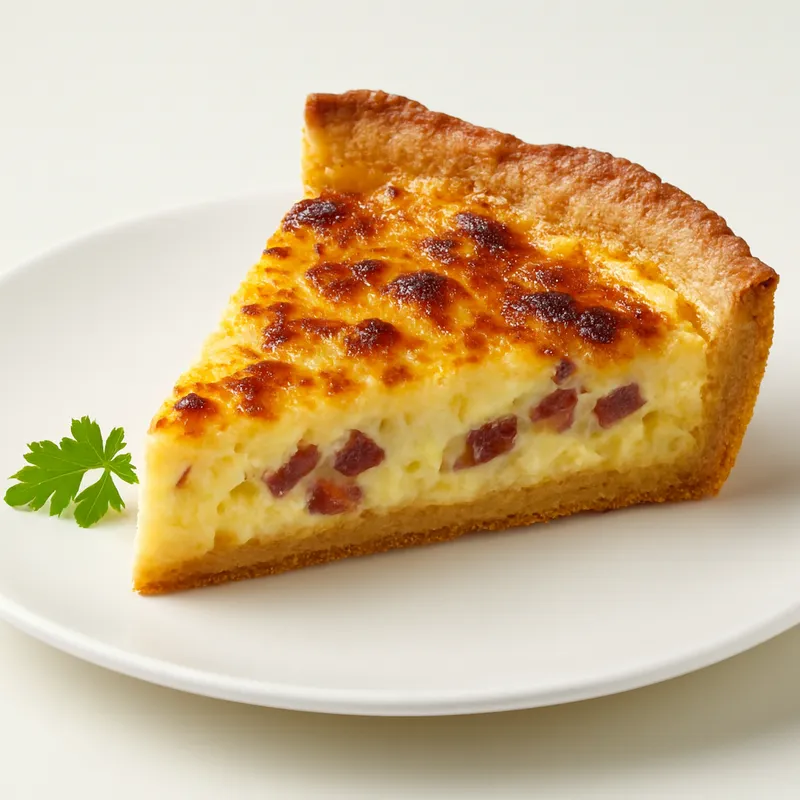




Pre-Columbian Andean dish, like locro, originating with Quechua and Aymara peoples of the northwestern Argentine highlands and adjacent Bolivia, Peru, and northern Chile. The word humita comes from Quechua "humint'a." Distinct from Mexican tamales: humita uses fresh corn, never masa (nixtamalized dry corn dough), and the flavor profile leans sweet or savory-mild rather than chili-spiced. Predates Spanish colonization.
Pre-Columbian Quechua-Aymara dish; the name humita comes from Quechua humint'a. Uses fresh corn grated on a coarse grater, never masa — the ruptured cell walls release starch that sets the filling like egg sets a custard.
A small bundle wrapped in dried corn husk (chala), tied at both ends, opened at the table to reveal a dense yellow paste of grated fresh corn, onion, milk or cream, often criollo squash, and sometimes cheese. Steamed or, in the canonical Argentine method, the tied parcels are boiled in salted water about an hour. The texture is moist and grainy — a corn pudding, not a tamale dough. Eat with a spoon straight from the husk; the husk is not edible but perfumes the filling with a faint hay-grass note.
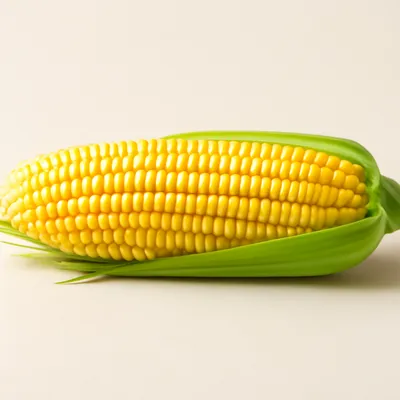
Fresh corn, not dried — that's the dividing line. The kernels are grated against a coarse grater so cell walls rupture and release starch, which sets the filling during steaming the way egg sets a custard. Using cut-off whole kernels gives a loose chunky filling that won't hold shape. The husk wrap isn't decoration: it controls steam contact and contributes a vegetal aroma the bare-pot version lacks.
Variations
Humita en chala (steamed in dried husk, the canonical northwest); humita en olla (cooked loose in a pot, no wrap); Bolivian humintas often add anise; Chilean humitas (Coquimbo, Valparaíso) lean sweeter and use basil; Peru's humita to the north overlaps almost completely.
On the Palate
Where Humita en Chala sits in the Argentinian flavor cloud
Ingredients

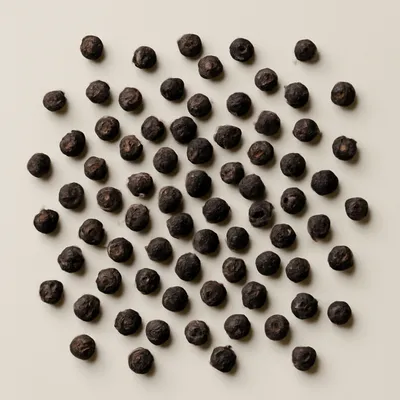
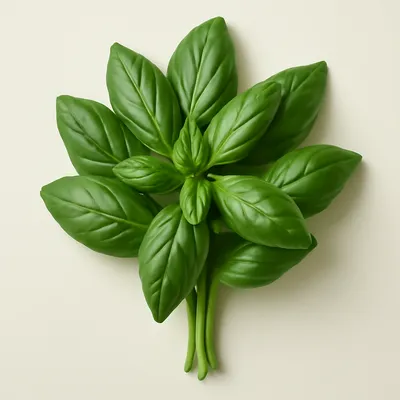

How it's made
5 steps · 48 min
- 18 min
Heat olive oil in a skillet over medium heat. Add finely chopped onion and sauté until soft, about 8 minutes, ensuring it doesn't brown.
Watch outOnion turns glassy and soft with no golden edges — pull back the heat the moment you see color.
- 210 min
Prepare the corn by removing husks carefully, brushing off the silk. Grate the kernels into a bowl, or pulse them to a rough purée in a food processor.
Watch outThe grated corn should look like a loose wet porridge, milky and starchy, not a bowl of separate kernels.
- 35 min
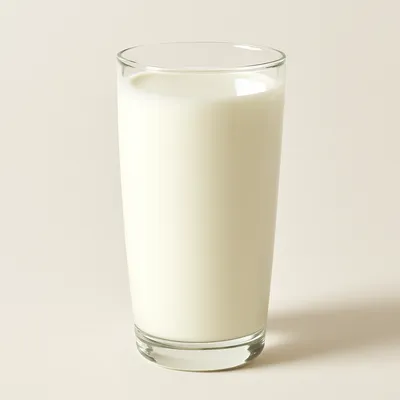
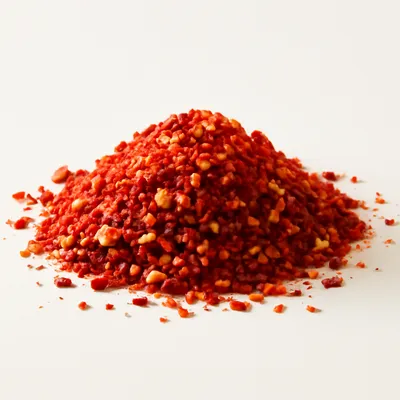
Combine the corn purée with the sautéed onions, milk, and red pepper flakes. Season with salt and pepper, then chill the mixture until firm.
Watch outChill until the mix firms up and holds a soft peak — cold, set batter is far easier to wrap than a runny one.
- 410 min
Preheat the oven to 350°F. Lay two corn husks overlapping on a flat surface. Spoon 1/4 cup of the filling into the center, fold the husks to enclose, and tie with a strip of husk.
- 515 min
Place the wrapped humitas on a baking sheet and bake until heated through, about 15 minutes. The humitas should be firm and fragrant.
Watch outDone when the parcels feel firm through the husk and smell sweetly of cooked corn.
Archive tool suggestions — not reviewed
These legacy suggestions have not been evidence-reviewed and are not presented as required tools.