



The name "Janssons frestelse" first appears in print in a 1928 Swedish recipe book, though the dish itself is older. Who the "Jansson" was is contested. The most-credible account, favored by Swedish researchers, traces it to the 1928 silent comedy film Janssons frestelse (directed by Sigurd Wallén, starring Edvin Adolphson): per Gunnar Stigmark, his mother Elvira had her cook name the familiar casserole after the film at a dinner party, and the name spread from there into cookbooks. An older, widely-repeated theory credits the gourmand opera singer Pelle Janzon (1844–1889), but food writer Jens Linder calls this unlikely since the dish only acquired the name about 40 years after his death; a folk story instead names the austere religious revivalist Erik Jansson, said to have broken his own strict rule for a sprat-and-potato gratin in 1846 (the "temptation"). Either way the dish became fixed on the Swedish Christmas julbord by the mid-20th century.
First named in print 1928 — possibly after opera singer Pelle Janzon, possibly after preacher Erik Jansson whose followers were caught eating it (the temptation). Swedish ansjovis are sprat sweet-cured with cinnamon, allspice, sandalwood — not Mediterranean anchovy.
A baked gratin of julienned potato, sliced onion sweated soft, and Swedish anchovy fillets (sprats, actually — sweet-cured, not Mediterranean salty anchovy) layered together and flooded with cream. Bakes 45 minutes until the top is brown and the cream has thickened around the potatoes. Salty, sweet, and rich at once. Served at Christmas and on the smorgasbord.
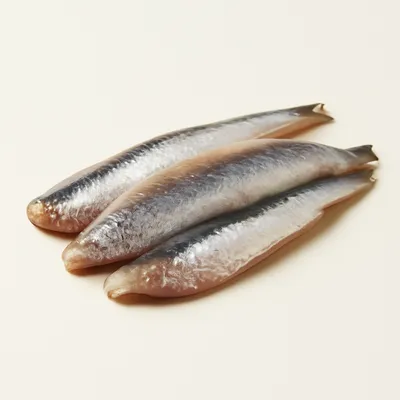
Swedish ansjovis are not anchovies. They are sprat (a small herring relative) cured with sugar, salt, and warm spice — cinnamon, allspice, sandalwood. Substituting Mediterranean anchovies makes the dish savagely salty and wrong; nothing else replicates that sweet-cure profile. The brine from the tin goes into the gratin too — it's part of the seasoning.
Variations
Classic julbord version with Abba-brand ansjovis; modern restaurant takes use Kalix löjrom on top; vegetarian variant subs miso-pickled mushroom for the sprat; the failed «authentic» import-anchovy version is what tourists serve and locals don't.
On the Palate
Where Janssons Temptation sits in the Swedish flavor cloud
Use real Swedish ansjovis (sweet-spice-cured sprat) and pour its tin brine in too; Mediterranean anchovies turn the whole gratin savagely salty and there is no fix once it's baked.
Ingredients
How it's made
5 steps · 35 min
- 110 min
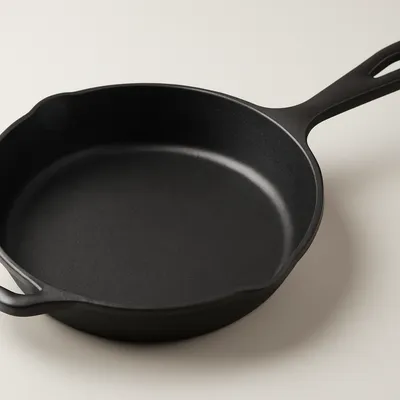
In a skillet, cook sliced onions in 2 tablespoons of butter over moderate heat, stirring occasionally, until they turn golden and fragrant.
Watch outCook onions only to soft and golden, not brown and crisp; you want sweet, not fried.
- 210 min
Preheat your oven to 400°F (200°C). In a buttered baking dish, layer one-third of the thinly sliced potatoes, followed by half of the sautéed onions and half of the chopped anchovies. Season with salt and pepper.
Watch outMake sure to evenly distribute the layers to ensure even cooking.
- 35 min
Repeat the layers, finishing with a top layer of potatoes. Drizzle the reserved anchovy oil over the top and dot with remaining butter.
Watch outUse enough anchovy oil to enhance flavor without making the dish too oily.
- 45 min
Bake in the middle of the oven for 10 minutes. Pour 3/4 cup of cream over the dish and continue baking for another 20 minutes.
Watch outAdd the first cream only after the top has set 10 minutes, so it soaks the potatoes instead of pooling.
- 55 min
Reduce the oven temperature to 300°F (150°C), pour the remaining cream over the casserole, and bake for 30 minutes more until the potatoes are tender and the top is golden.
Watch outDrop the heat for the last stretch; a poke should slide through the potato with no resistance and the top should be deep gold.
Archive tool suggestions — not reviewed
These legacy suggestions have not been evidence-reviewed and are not presented as required tools.