A strudel-like pastry filled with fruit, sweet cheese, or poppy seeds.


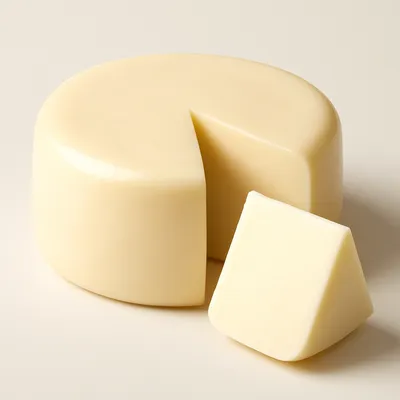



Hungarian rétes is the local branch of the strudel family that traveled into Habsburg-Austrian and Hungarian cooking from the Ottoman Empire's baklava tradition in the 16th–17th centuries. The pulled-dough technique itself is Turkish (yufka). Rétes shops opened across Hungary in the 19th century; today's standard fillings (sour cherry, túró, poppy, apple) crystallized in late-Habsburg Budapest cafés.
Hungary's branch of the Ottoman yufka tradition, picked up via 16th-17th-century Turkish baklava and codified in late-Habsburg Budapest cafés. The dough must stretch thin enough to read newsprint through; the bread-crumb buffer between dough and juicy fruit isn't optional — it stops the bottom turning to wet paste.
Tissue-thin pulled dough wound around a filling — sour cherries with a cinnamon-sugar bread-crumb buffer, sweetened curd cheese with raisins, or ground poppy seeds — baked until the layers shatter under a fork. Served warm, dusted with confectioners' sugar. The good version has visible distinct layers when you cut crosswise; one solid shell means the dough was rolled, not stretched.
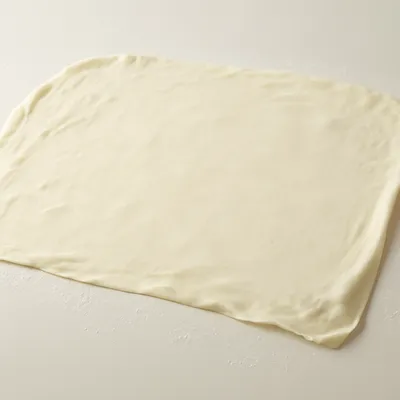
The dough must be stretched by hand on a floured tablecloth until you can read newsprint through it — gluten developed by long kneading lets it pull this thin without tearing. A bread-crumb layer between dough and juicy fruit fillings (cherry, apple) is non-negotiable: it absorbs the juice that would otherwise turn the bottom layer into wet paste. Brushed with melted butter between layers, not oil — butter browns the leaves and oil just makes them greasy.
Variations
Meggyes rétes (sour cherry); túrós rétes (sweetened curd cheese with raisin); mákos rétes (ground poppy); almás rétes (apple with cinnamon); Budapest's Első Pesti Rétesház pulls the dough by hand in front of customers.
On the Palate
Where Rétes sits in the Hungarian flavor cloud
The breadcrumb layer is the make-or-break move: scatter fine crumbs (or ground nuts) over the buttered pastry before the juicy fruit goes on, so they drink up the running juice — skip them and the cherry or apple weeps straight through and the bottom leaves turn to wet paste.
Ingredients




How it's made
5 steps · 55 min
- 110 min
Preheat your oven to 180°C (350°F). Lay a sheet of filo pastry on a clean, dry surface and brush it lightly with melted butter. Repeat with additional sheets, stacking them.
Watch outBrush each sheet with just a thin film of butter, edge to edge — too thick and the layers slide apart, too dry and they crack when you roll.
- 25 min
Spread your chosen filling, such as sweet cheese or poppy seed, evenly over the pastry, leaving a 2-inch border around the edges. The filling should be fragrant and moist.
Watch outAvoid overfilling, as this can cause the strudel to burst during baking.
- 35 min
Carefully roll the pastry into a tight log, tucking in the sides as you go to seal the filling. The roll should feel firm and compact.
Watch outMake sure to roll tightly to prevent the filling from leaking out.
- 45 min
Place the strudel seam-side down on a baking sheet lined with parchment paper. Brush the top with more melted butter for a golden finish.
Watch outSet it firmly seam-side down and brush the top with butter — the seam underneath locks shut, the buttered top browns.
- 530 min
Bake in the preheated oven until the strudel is golden brown and crisp, about 30 minutes. The pastry should be flaky and the filling bubbling slightly.
Watch outIt's done when the top is deep gold and crackly and you can hear the leaves crisp — a pale strudel is underbaked and will be doughy inside.
Archive tool suggestions — not reviewed
These legacy suggestions have not been evidence-reviewed and are not presented as required tools.