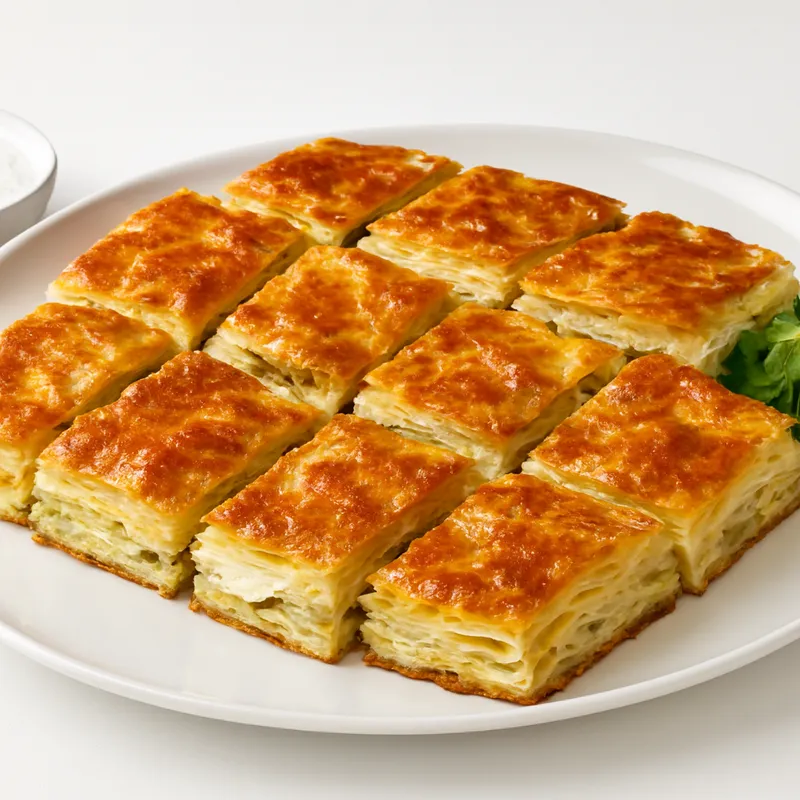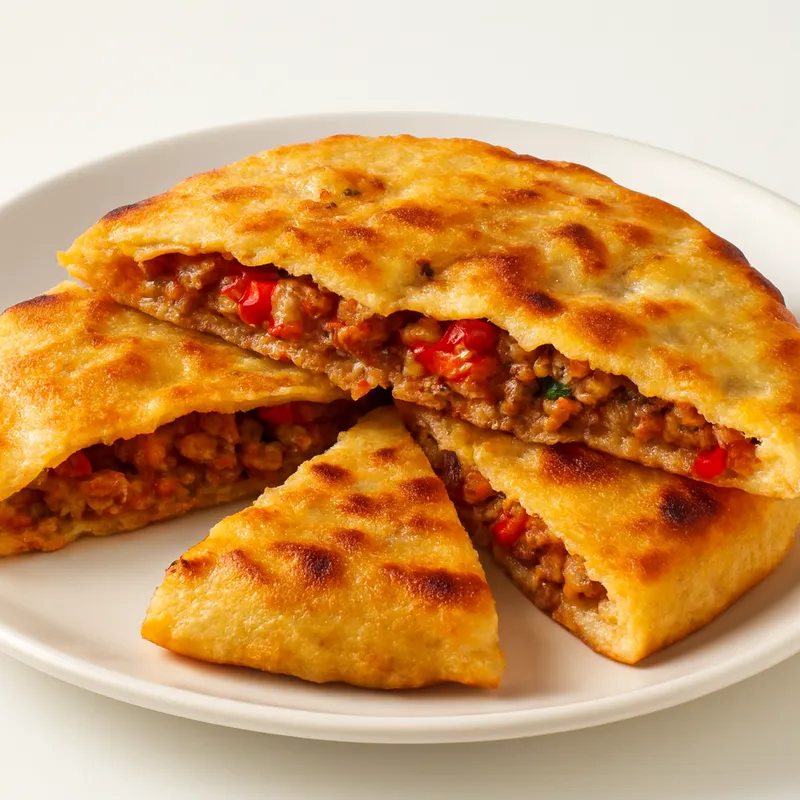


Sephardic Jewish adaptation of Ottoman börek, brought to Mandate Palestine and then Israel by Sephardim from the Balkans (Bulgaria, Salonika, Turkey) starting in the 1920s. Bulgarian Jews opened the first commercial bourekas bakeries in Jaffa and Tel Aviv in the 1930s, codifying the shape-equals-filling rule because their kosher customers needed to tell dairy from pareve fillings at a glance.
Sephardic adaptation of Ottoman börek, brought to Mandate Palestine by Bulgarian, Salonican and Turkish Sephardim from the 1920s; Bulgarian Jews opened the first commercial bakeries in Jaffa and Tel Aviv in the 1930s and codified the shape-equals-filling rule — religious accounting, not aesthetics, so kosher buyers can sort dairy from pareve at a glance.
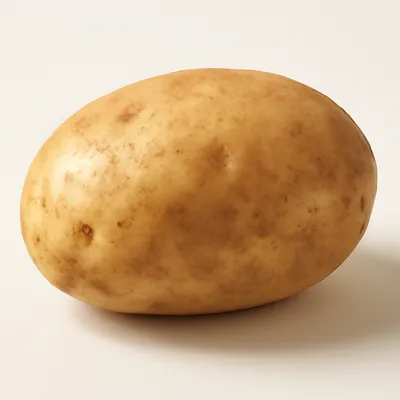
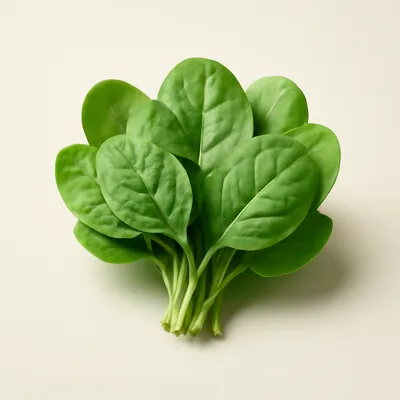
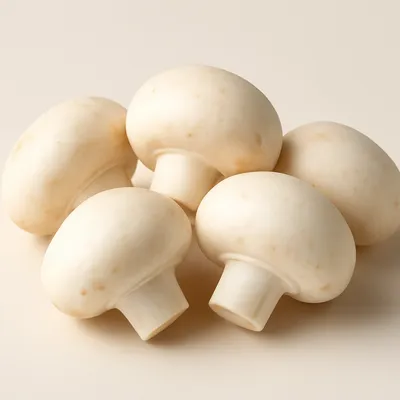
Triangular or square parcels of puff or filo pastry, sesame-seeded on top, baked until shatteringly crisp. Standard fillings split by shape — triangle for cheese (feta or Bulgarian), square for potato, round for spinach, rectangle for mushroom. Eaten warm with a hard-boiled egg, pickle and a glass of black tea; the shape is a code so you don't have to ask what's inside.
The shape code is religious accounting, not aesthetics. Kosher law forbids mixing meat and dairy; pareve (neutral) fillings like potato or mushroom can go with either meal, dairy fillings cannot follow meat. A glance at the shape tells the buyer what to order with their meal. The puff version (Bulgarian-style) uses margarine for shelf-stability and pareve status; filo versions stay closer to the Turkish original.
Variations
Bulgarian-Israeli (puff pastry with margarine, the dominant commercial form); Turkish börek (filo or yufka, more delicate); Salonican Sephardic style uses olive oil pastry; specialty bakeries like Penso (Jaffa) hand-fold the filo; modern Tel Aviv riffs at Lehamim run mushroom-truffle and za'atar-feta versions.
On the Palate
Where Bourekas sits in the Israeli flavor cloud
Seal the edges tight with egg wash before baking: an unsealed or over-filled pastry leaks its filling and the layers won't puff — press the folded edges firmly and don't overstuff.
Ingredients





How it's made
5 steps · 45 min
- 110 min
Roll out the puff pastry on a lightly floured surface until it's thin and even. Cut into squares or triangles, depending on your preferred shape.
Watch outEnsure the pastry is rolled evenly to avoid uneven cooking.
- 25 min
Place a spoonful of your chosen filling (cheese, potato, or spinach) in the center of each pastry piece. Be careful not to overfill.
Watch outOverfilling can cause the pastry to burst during baking.
- 35 min
Fold the pastry over the filling, sealing the edges with a brush of egg wash. Ensure the edges are tightly sealed to prevent leaks during baking.
Watch outPress the sealed edge until it holds a crimp and no filling shows at the seam — a loose fold will spring open and leak as it bakes.
- 45 min
Brush the tops with egg wash and sprinkle with sesame seeds or your choice of topping. The egg wash will give a golden finish.
Watch outToo much egg wash can lead to a soggy top instead of a crisp finish.
- 520 min
Bake in a preheated oven at 375°F (190°C) until golden brown and puffed, releasing a buttery aroma. The pastry should be crisp and flaky.
Watch outThey're done when the tops are deep golden, the pastry has visibly risen and split into flaky layers, and it smells buttery — not before.
Archive tool suggestions — not reviewed
These legacy suggestions have not been evidence-reviewed and are not presented as required tools.