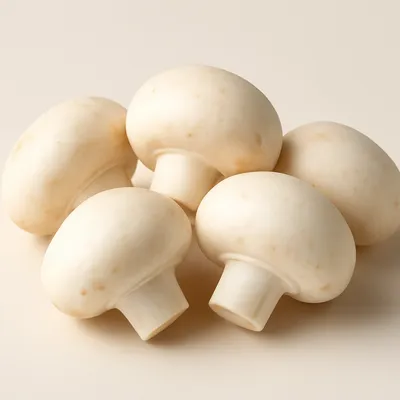
Umami-rich fungi available in hundreds of varieties; meaty texture and earthy depth.
Where it comes from
Mushrooms have been foraged and cultivated for centuries across cultures, valued not only for their culinary uses but also for their medicinal properties in traditional practices.
In the kitchen
Mushrooms can be sautéed, roasted, or used as a meat substitute, adding depth and flavor to soups, risottos, and stir-fries.
Across cuisines
Polish cuisine often features wild mushrooms, such as porcini and chanterelles, which are foraged from local forests. These mushrooms are celebrated for their intense flavor and are commonly used in soups, stews, and pierogi fillings. Dried mushrooms are also prevalent, providing a concentrated taste that is rehydrated and integrated into dishes like bigos.
Russian cuisine utilizes both fresh and preserved mushrooms, with pickling being a traditional method of preservation. Mushrooms like boletus and honey fungus are often pickled and served as appetizers or side dishes. Fresh mushrooms are used in hearty dishes such as beef stroganoff, where they add depth and umami.
Peanuts (groundnuts) — central to domoda, Gambia's national dish. Made from concentrated peanut paste cooked with meat or fish. Source: Wikipedia, Remitly.
Nutrition (per 100g)
AI-estimated; model and run unavailable.
Pairs well with