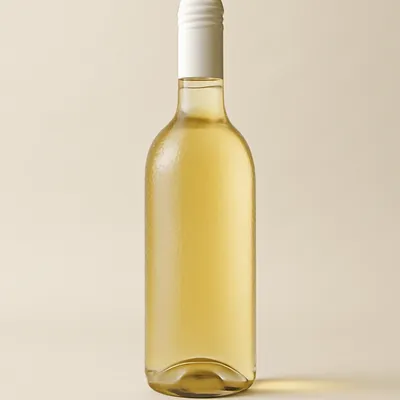
White Wine
A splash of white wine is a chef's secret to turning the ordinary into the extraordinary.
White wine enchants with its crisp acidity and vibrant fruit flavors, ranging from zesty citrus to ripe stone fruit. Its light body makes it a versatile choice that complements a range of dishes.
Where it comes from
White wine has been produced since ancient times, with origins in regions like Greece and Italy, where it was celebrated for its refreshing qualities and served during communal feasts.
In the kitchen
White wine is essential for deglazing pans and enhancing sauces, making it a staple in cooking seafood and poultry dishes, while also serving as an engaging pairing with light fare.
Across cuisines
In French cuisine, white wine is frequently used for deglazing and reduction. It is added to hot pans to dissolve browned bits, enriching sauces like beurre blanc and velouté. The wine is often reduced to concentrate its acidity and flavor before other ingredients are added.
White wine is what dissolves the cheese into a fondue sauce — typically a dry Alpine variety (Fendant from Valais, Chasselas) acidic enough to keep the casein proteins in suspension. Without enough acid the fondue separates into oil and curd. The wine-cheese ratio is roughly 1:3 by weight.
In Italian cuisine, white wine is a key component in making risotto. It is typically added to the rice after initial toasting, allowing its acidity to balance the creaminess of the dish. The wine is absorbed by the rice, imparting a subtle flavor that complements the broth.
Nutrition (per 100g)
AI-estimated; model and run unavailable.
Pairs well with