


Piedmontese, documented from the late 18th century — the earliest written recipe using a tuna sauce is in Angelo Dubini's 1862 cookbook 'La cucina degli stomachi deboli'; Artusi's 1891 cookbook popularized it but was not the first, but it appears in Piedmontese household cooking earlier. The original sauce was an emulsion of tuna, anchovy, capers, oil, and lemon — no mayonnaise. Mayonnaise crept in during the 20th century as a shortcut and is now standard outside Piedmont, contested inside it.
Piedmontese summer dish from the 18th century — slow-poached veal, sliced cold, blanketed in tuna-anchovy-caper-mayo. The two proteins meeting at room temperature is the whole point.
Cold sliced veal — poached, fanned in single layer on a flat plate — covered edge to edge in a pale beige sauce of canned tuna, anchovy, capers, lemon, olive oil. Capers scattered on top. Eaten chilled in summer; the sauce should taste of tuna first, mayo last (or no mayo at all, in the older Piedmontese version).
The veal must be poached, never roasted. A whole eye-of-round goes into aromatic broth at 80°C and stays there until the core hits 60°C — about 90 minutes for 1.5 kg. Above that, the meat fibers tighten and slicing wet-thin becomes impossible. The slices are best made the next day, cold, on a slicer or with a long thin blade — eye and hand together can't get the same translucency.
Variations
Cuneo style binds with hard-boiled yolks (no mayo); Asti version uses anchovy-heavy sauce; modern Milanese plating slices the veal paper-thin under the sauce instead of layered.
On the Palate
Where Vitello Tonnato sits in the Italian flavor cloud
Keep the veal pale and sliceable: after the sear, hold it at a bare 80°C simmer until the core just reaches 60°C, never a rolling boil — overcook it and the fibers tighten so you can't slice it wet-thin.
Ingredients
Serves 4
How it's made
5 steps · 1 hour 15 min
- 110 min
Season the veal with salt and pepper, then sear in a hot pan until browned on all sides. The meat should be caramelized and fragrant.
Watch outEnsure the pan is hot enough to achieve a good sear without steaming the meat.
- 240 min
Deglaze the pan with white wine, scraping up any browned bits. Add water to cover the veal, and simmer gently until tender. The liquid should bubble softly, not boil.
Watch outKeep it at a lazy simmer with just a few bubbles — a hard boil is what turns the meat tough and impossible to slice thin.
- 310 min
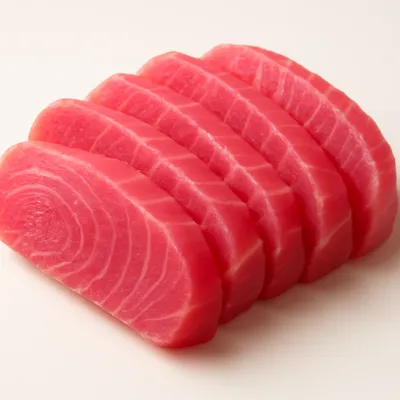
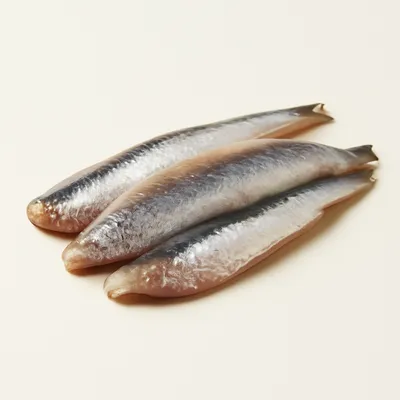
While the veal cooks, blend tuna, anchovies, capers, egg yolks, lemon juice, and olive oil into a smooth, creamy sauce. The mixture should be thick and pale, with a tangy aroma.
Watch outThe sauce is ready when it's thick and pale and drops slowly off the spoon — thin and runny means it hasn't emulsified.
- 410 min
Once the veal is cooked, allow it to cool slightly before slicing thinly. Arrange the slices on a platter, overlapping them slightly.
Watch outSlice only after the meat is fully cool and firm; a warm center drags and tears instead of giving clean thin sheets.
- 55 min
Pour the tuna sauce over the veal slices, ensuring even coverage. Garnish with additional capers and a drizzle of olive oil for a glossy finish.
Archive tool suggestions — not reviewed
These legacy suggestions have not been evidence-reviewed and are not presented as required tools.