In Practice
Pasta: 100g salt per 4L water mimics seawater for through-seasoning; pot must regain rolling boil within 30 sec of dropping pasta or starch slimes the surface. Stocks and beans: never let proteins or aromatics see a full boil — emulsified fat clouds the liquid and harsh tannins extract. Failure modes: covered lid traps acids and turns greens olive; aluminium pots react with acidic vegetables, leaving metallic notes.
Background
Boiling is a universal technique, with each culture adding its unique touch. In Italian cuisine, boiling is integral to pasta preparation, ensuring the perfect al dente texture. In Chinese cooking, boiling is used in soups like Wonton Soup, where the broth infuses flavors into the dumplings. Japanese cuisine uses boiling for noodles in dishes like Miso Ramen, where the noodles absorb the rich broth. Nigerian cuisine employs boiling for grains, such as in Jollof rice, where the liquid is absorbed to create a flavorful base.
How It Works
At 100°C (sea level) water reaches its phase transition: latent heat of vaporization caps temperature regardless of flame input. Convection from rising vapor bubbles transfers heat at roughly 10× the rate of still water — gelatinizing starches above 60°C, denaturing proteins, leaching water-soluble compounds (glutamate, inosinate, anthocyanin) into the cooking medium.
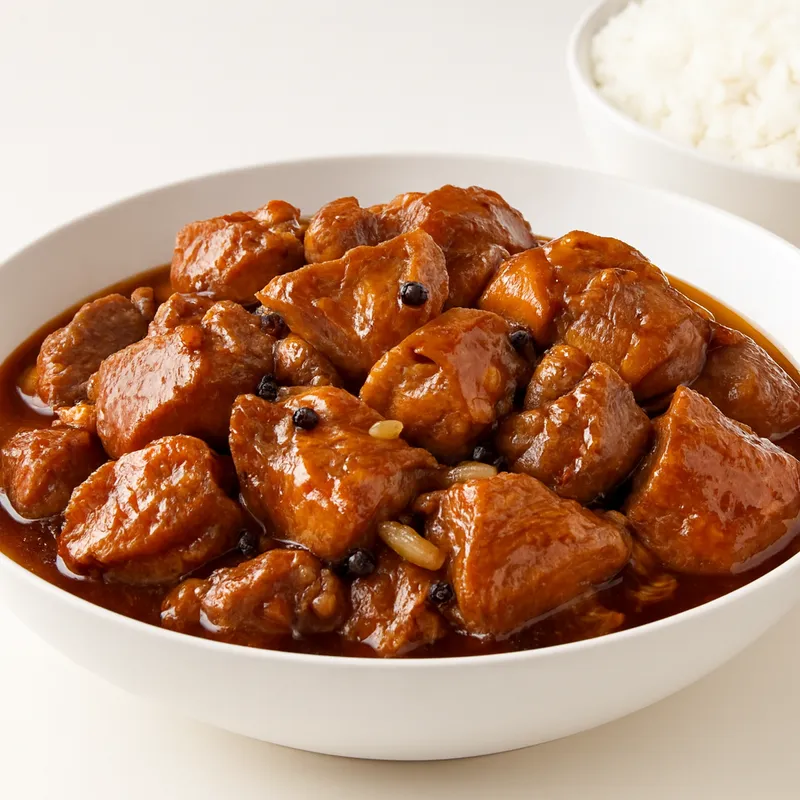
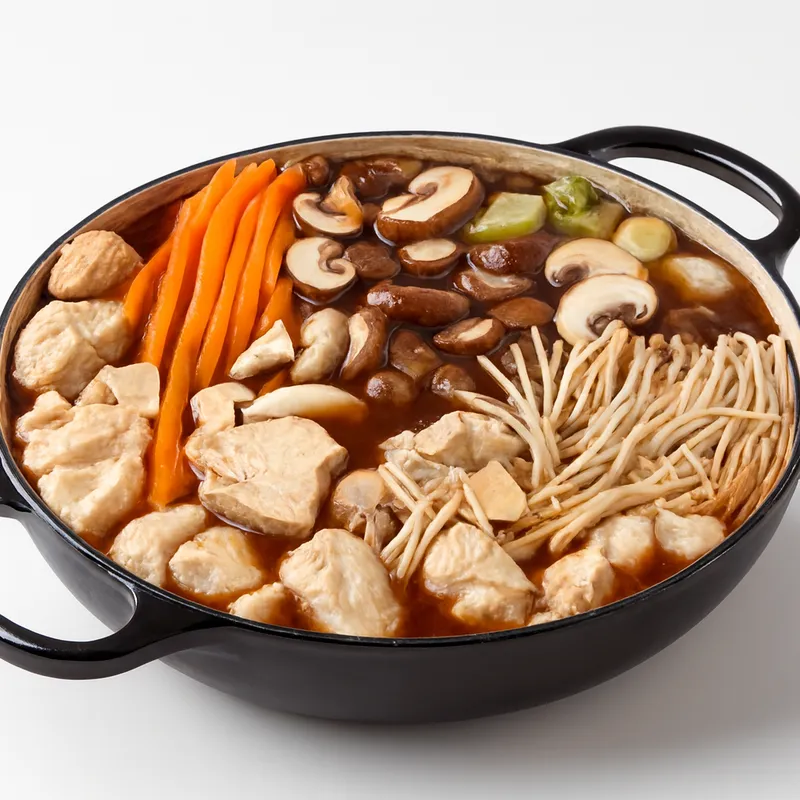
Dish examples
2294 dishes · 171 cuisines


Through Time
Boiling predates ceramic vessels — Mesolithic hot-stone cookery in hide bags (8000 BCE Scandinavia) achieved sub-boil temperatures. Pottery from 16,500 BCE Jōmon Japan represents the first sustained boiling. Modern parameter codification comes from Marcella Hazan's 1973 pasta-water salinity standard and Harold McGee's pH-pigment work in *On Food and Cooking* (1984).
Related cooking knowledge
Blanching is short-duration boiling. Simmering is sub-boiling — same medium, gentler convection. Poaching drops further still. Steaming uses the same vapor phase but transfers heat without water contact, preserving water-soluble compounds.