


Russian
Borscht, pelmeni, and a pantry built to outlast a Siberian winter.
Zakuski
A spread of appetizers and small bites served before meals, reflecting Russian hospitality and communal dining.
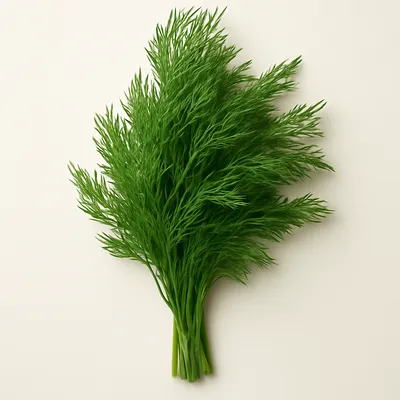
View page →A Russian table is arranged like a defense against winter. Pickles and cured fish anchor one end. A tureen of ruby-red Borscht steams at the other. Somewhere in between: a mountain of Pelmeni under melting butter, a tray of Blini rolled around caviar or jam, and bowls of sour cream and fresh dill placed within reach of everyone. Bread is torn, not sliced. Everything is meant to be shared, and there is always more than the table can hold.
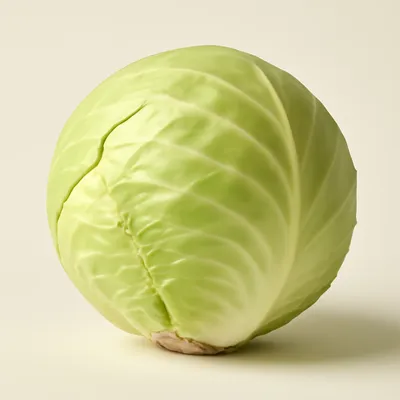
This is cuisine shaped by long winters and a short growing season — which is to say, by preservation. Cabbage pickled into sauerkraut, cucumbers into salted brine, milk into smetana and tvorog, fish into cured and smoked forms that last for months. The flavors that emerge are sour, tangy, dill-forward, and deeply savory, anchored by the warmth of root vegetables and slow-cooked meat. A Russian meal doesn't aim to impress — it aims to feed you through the cold, and make you feel welcome while it does.
The Palate
Dishes to explore
Borscht
Ruby-red beet and cabbage soup built on a slow-simmered bone broth, finished with a dollop of sour cream and fresh dill.
The Russian pantry in a bowl — roots, cabbage, fermentation, and the cold-weather instinct for warmth and color.
Pelmeni
Small pork-and-beef dumplings, boiled and served with butter, vinegar, or sour cream. Made by the hundreds and frozen for winter.
Siberian comfort food at its most essential — teaches the family-scale pelmeni-folding tradition that has kept households fed for generations.
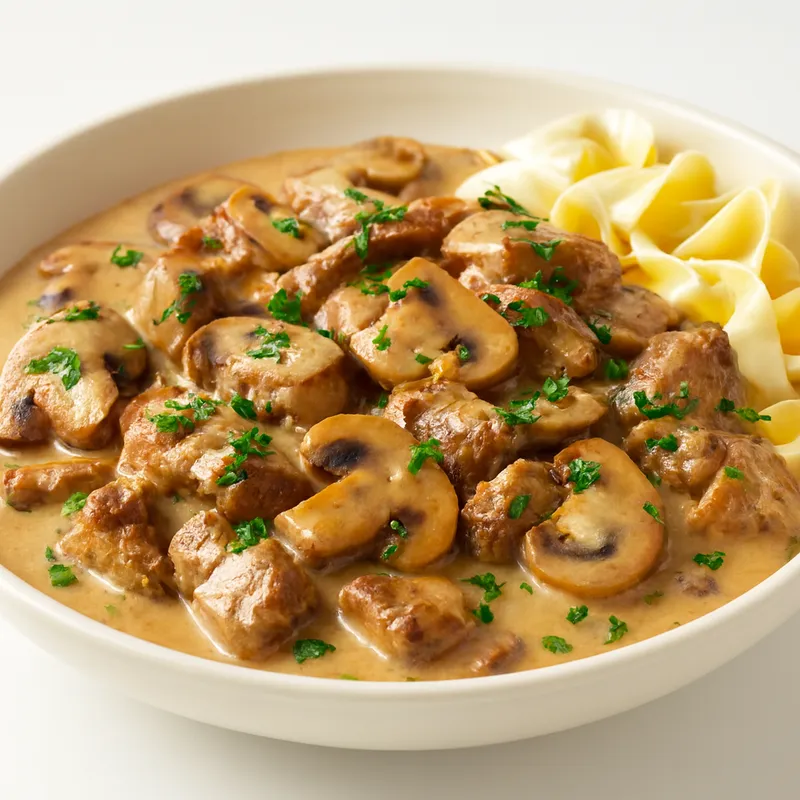
Beef Stroganoff
Strips of beef in a mustard-and-sour-cream sauce, thickened with onions and mushrooms, served over buttered egg noodles or kasha.
The Russian dish that traveled the world — shows the cuisine's love of sour cream, dill, and quick pan work over a long braise.
Blini
Thin buckwheat or wheat pancakes, rolled around anything from caviar and sour cream to jam and honey.
The most versatile dish on the Russian table — savory at dinner, sweet at breakfast, and the centerpiece of Maslenitsa, the week-long pancake festival before Lent.
Cooking options
Food choices favor cuisine selections and manageable preparation; check each recipe before cooking.
The Pantry








See all 160 ingredients›


















Herbs & Spices




















Sauces & Condiments







Other

Regional Kitchens
Four regional kitchens, from Moscow's canon to the Siberian deep freeze. Tap a region to see its table.
Moscow's canon — beef stroganoff, layered salads, honey cake. The Russian food the world thinks of.
Pomor coast — fish, rye, dairy, and jellied meat that outlasts winter. The kitchen built on preservation.
Frozen-raw fish, dumplings made by the hundred for the deep freeze, game and buckwheat. Cold-climate engineering.
Southern fusion with the Caucasus — skewered grilled meat, chili-pepper paste, rice pilaf, tomato.
How They Cook
Methods linked to dishes in this catalog
See 15 more techniques›
Related cuisines
Linked by ingredient records in this catalog