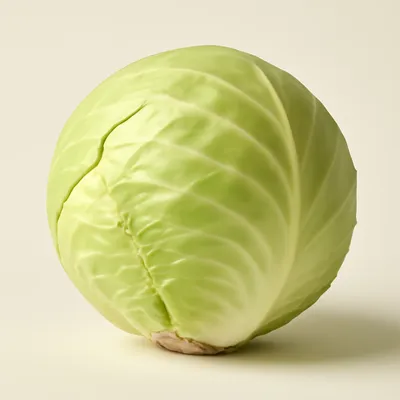
Cabbage embodies a crisp, crunchy texture with a mild, slightly peppery flavor that deepens when cooked. Its fresh aroma is reminiscent of earthy gardens and wholesome meals.
Where it comes from
Cabbage has been cultivated for thousands of years, tracing back to ancient Europe and Asia, and is a cornerstone of various global cuisines, from coleslaw to sauerkraut.
In the kitchen
Versatile in its applications, cabbage can be shredded for salads, fermented for pickles, or braised for hearty dishes, adding texture and flavor.
Across cuisines
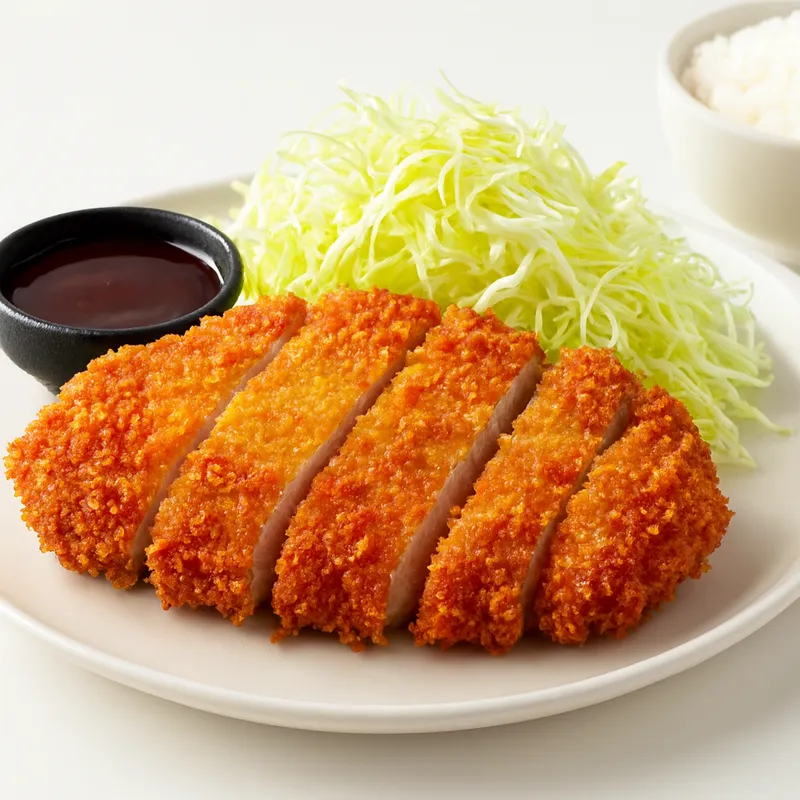
In Japanese cuisine, cabbage is often finely shredded and used as a garnish or side. It accompanies dishes like tonkatsu, providing a fresh, crisp contrast to the fried meat. The cabbage is typically served raw and unseasoned, highlighting its natural sweetness and crunch.
Cabbage is shredded fine, salted briefly, then dressed with vinegar, oregano, and a pinch of chili to make curtido — the Salvadoran pickled-cabbage relish served alongside every pupusa. The brief ferment (a few hours to a day) gives it a sharper edge than German sauerkraut without the long-fermented funk.
Russian cuisine uses cabbage extensively in fermented forms, such as sauerkraut. This fermentation process is crucial for dishes like shchi, where the tangy, preserved flavor of cabbage forms the soup's foundation. Fermented cabbage is also a key ingredient in solyanka, providing depth and acidity.
Nutrition (per 100g)
AI-estimated; model and run unavailable.
Pairs well with