The hidden sweetness that brings color and crunch to the dullest of dishes.
Crisp and sweet with a hint of earthiness, carrots offer a refreshing crunch and vibrant orange hue. These root vegetables are an essential component in countless global dishes, from soups to salads.
Where it comes from
Carrots date back to ancient Persia, where they were originally cultivated for their medicinal properties rather than their flavor.
In the kitchen
Used raw, roasted, or in stocks, carrots provide natural sweetness and texture, enhancing both flavor and nutrition in a variety of recipes.
Across cuisines
In Russian cuisine, carrots are a base ingredient in many soups and stews. They are often diced or grated and sautéed with onions to form the aromatic base for dishes like borscht and shchi. Carrots provide sweetness and color to the broth.
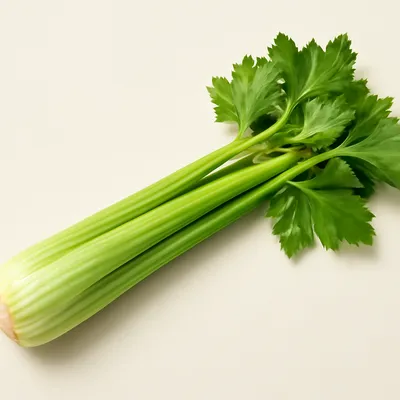
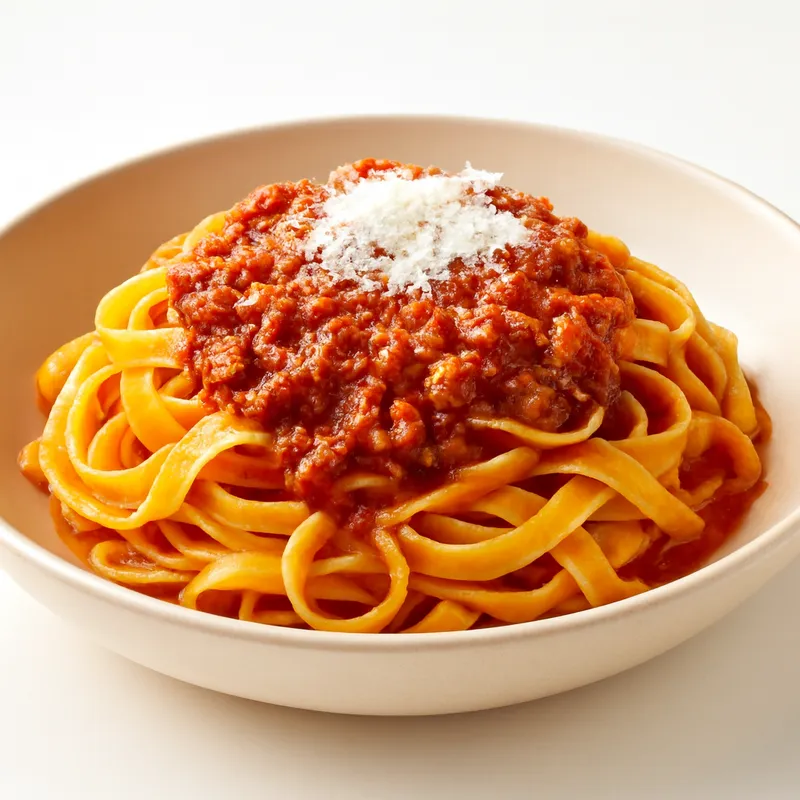
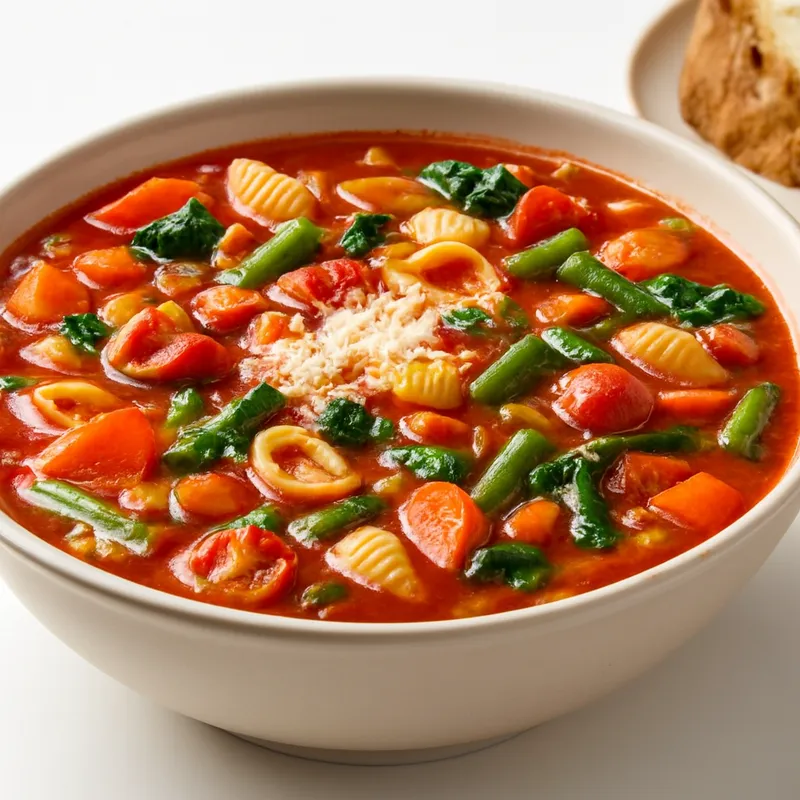
Carrots are a key element in the Italian soffritto, a mixture of finely chopped carrots, celery, and onions. This mixture serves as the aromatic foundation for numerous Italian dishes, including bolognese and minestrone. The carrots are typically cooked until soft to release their natural sweetness.
Carrot is the unsung backbone of Uzbek plov — yellow and orange carrots are cut into matchsticks (never grated), then layered over the seared meat to form a dense sweet bed that infuses the rice above. The carrot-to-rice ratio is roughly 1:1 by weight in classical wedding plov.
Nutrition (per 100g)
AI-estimated; model and run unavailable.
Pairs well with