

French
Technique as philosophy. Butter as faith.
Sauce Espagnole
Sauce Espagnole is a classic brown sauce made from a brown roux, veal stock, and tomatoes, foundational in French cuisine.
View page →The French meal runs in courses — starter, main, cheese, dessert — and in 2010 UNESCO listed that whole sequence, the "gastronomic meal of the French," as intangible heritage. The cooking underneath is a sauce tradition: stocks reduced for hours, the mother sauces every cook once memorized, wine cooked into the pot as in coq au vin or boeuf bourguignon. Place matters as much as technique: AOC labels tie butter, lentils, and hundreds of cheeses to specific villages, and the cheese course before dessert is its own institution. Daily eating is plainer than the reputation — a baguette bought fresh that morning, bistro plates like steak frites and pot-au-feu, and a Sunday lunch that can hold the family at the table for three hours.
The Palate
What makes it taste like itself
Dishes to explore
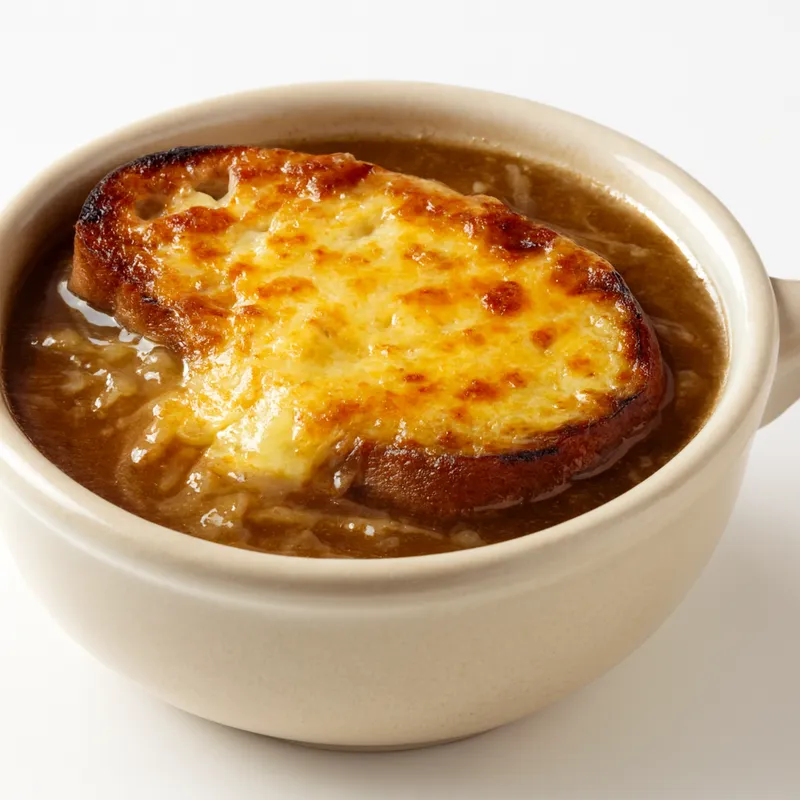
Soupe à l'Oignon Gratinée
A bowl brimming with caramelized onions swimming in a broth crowned with a golden cheese crust.
This dish teaches the principle of elevating humble ingredients to sublime heights through patience and technique.
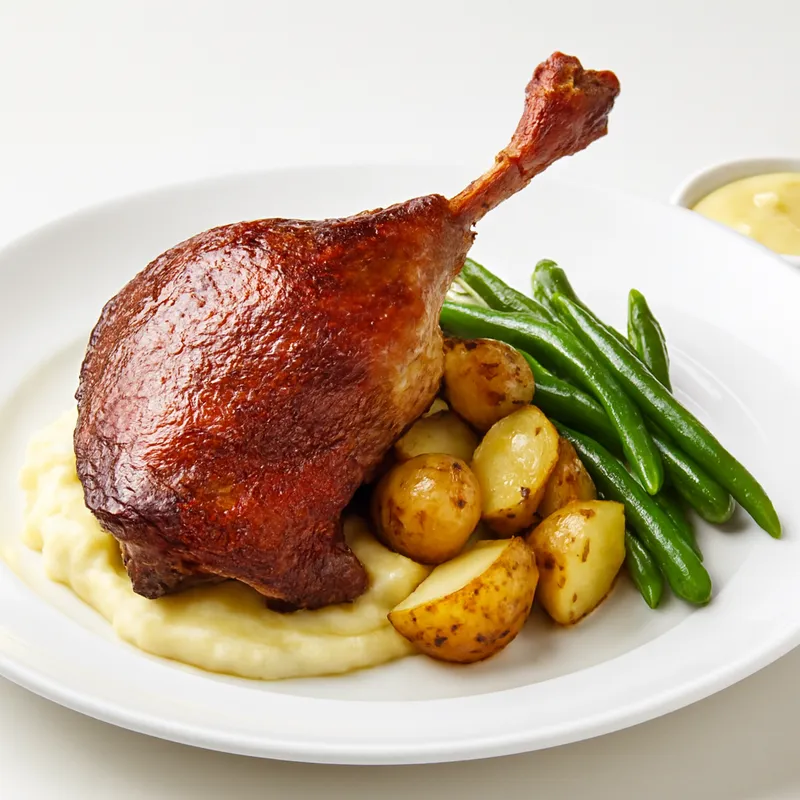
Duck Confit
Tender duck leg slowly simmered in its own fat until it yields to the fork with unctuous grace.
It showcases the French mastery of preserving and enhancing flavor through the confit method.
Tarte Tatin
An upside-down caramelized apple tart that speaks to the serendipity that often accompanies culinary innovation.
This dish defines French patisserie — where mistakes become masterpieces.
Boeuf Bourguignon
A rich stew of beef braised in red wine, with a melody of aromatic vegetables.
It illustrates the profound relationship between French cuisine and wine, using wine as both a cooking medium and a flavor enhancer.
Cooking options
Food choices favor cuisine selections and manageable preparation; check each recipe before cooking.


The Pantry







See all 429 ingredients›
Proteins


Vegetables


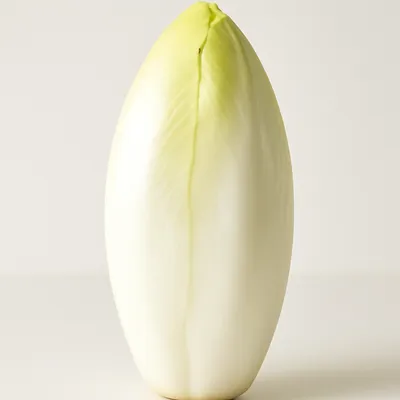
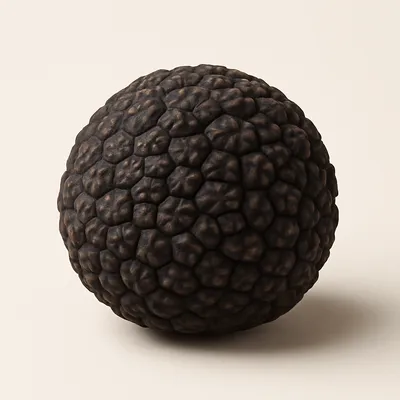


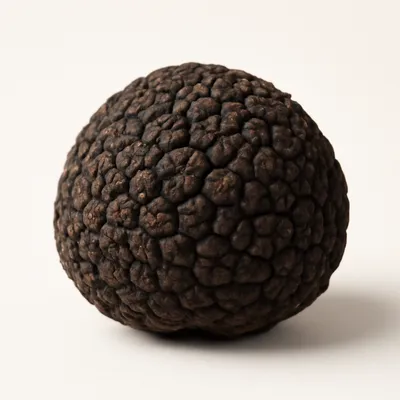


Fruits


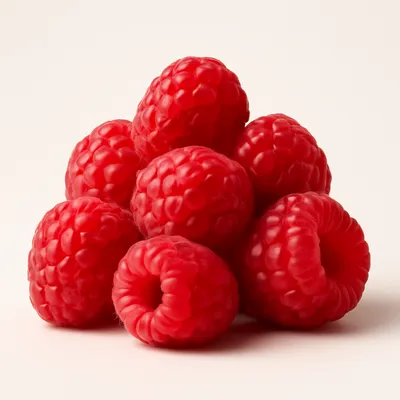


Herbs & Spices



Grains & Staples




Dairy & Fats




Sauces & Condiments


Regional Kitchens
Six regional kitchens plus the Parisian meta-kitchen. Tap a region to see its table.
Bistro classics, brasserie staples, and Carême-Escoffier haute cuisine — the Paris-trained meta-kitchen that defined what 'French' tastes like to the world.
Olive oil, herbes de Provence, rosé — Mediterranean France. Bouillabaisse, ratatouille, pissaladière.
Bouchon culture — quenelles, andouillette, salade lyonnaise. France's gastronomic capital.
German-French border — choucroute garnie, tarte flambée, baeckeoffe. Riesling country.
Boeuf bourguignon, coq au vin, escargots — wine-braised heart of French cooking.
Massif Central cheese mountains — aligot, truffade, blue cheeses, lentilles du Puy.
Southwestern duck country — cassoulet, confit, foie gras, magret de canard.
Butter, cream, apples, calvados, camembert — Atlantic dairy belt. Sole meunière, tarte normande.
Alpine cuisine of Savoie and Haute-Savoie — built on mountain cheeses (Beaufort, Reblochon, Tomme, Abondance), the melted-cheese trinity of fondue, raclette and tartiflette, cured pork and diots sausages, potatoes, buckwheat crozets, and lake fish.
Atlantic Celtic France — crêpes, galettes au sarrasin, beurre blanc, kouign-amann.
The luxe larder of south-west France — foie gras, black truffle, walnuts, ceps and confit duck, with potatoes crisped in duck fat (sarladaises) and Bordeaux's wine-and-marrow cooking.
Mediterranean south from Nîmes to the Catalan border — salt-cod brandade, the squid-and-tomato tielles of Sète, Roussillon's snails and meatballs, and almond-and-fennel sweets.
Vosges butter-and-mirabelle — quiche Lorraine, madeleines, pâté Lorrain.
The island's maquis-scented cooking — fresh brocciu cheese in omelettes and fiadone, chestnut-flour pulenda, wild-boar civet, and chestnut-fed charcuterie (figatellu, lonzu, coppa).
The Jura / Franche-Comté table — Comté and Vacherin Mont d’Or cheeses, the oxidative vin jaune, morels, smoked Morteau and Montbéliard sausages, and the runny cheese spread cancoillotte.
The châteaux country and France's garden — potted Tours rillettes, pike-perch in beurre blanc, goat cheeses, Anjou cream and fruit, and the upside-down caramel apple Tarte Tatin of the Sologne.
Northern France and French Flanders — dark-beer beef braises (carbonnade), the cheese-and-beer Welsh, ham-and-mushroom ficelle picarde, the pungent Maroilles cheese tart, jellied potjevleesch, endives and a mussels-and-frites culture shared with Belgium.
Piperade, axoa, gâteau basque, jambon de Bayonne — Espelette pepper everywhere.
Champagne wine region — andouillette, biscuits roses, brut traditions.
How They Cook
Methods linked to dishes in this catalog
Confit
Confit in French cooking is a preservation marvel, transforming duck into a luscious, long-lasting delicacy.
See 22 more techniques›
In French cuisine, emulsification is the whispered secret behind a glossy sauce, the liaison between butter and acid.
In French cuisine, poaching eggs for Salade Lyonnaise involves a gentle swirl in simmering vinegar water to create a perfectly round shape.
French croissants are baked with precise steam injection to achieve their signature flaky layers and golden crust.
In French cuisine, sautéing often starts with mirepoix in a heavy-bottomed pan, building a flavor base for dishes like Coq au Vin.
French cuisine elevates braising to an art form, particularly in dishes like Boeuf Bourguignon where wine is both braising liquid and muse.
In French croissant-making, dough is kneaded with cold butter in a laminated process that involves multiple folds and turns for flaky layers.
Roasting in French kitchens is about coaxing flavor and texture from the simplest of ingredients, often with nothing more than butter and a watchful eye.
Related cuisines
Linked by ingredient records in this catalog