



Sole meunière is a Norman bistro classic, formalized in 19th-century Paris and immortalized when Julia Child ate it at La Couronne in Rouen in 1948 — she called it the meal that turned her toward French cooking. True Dover sole comes from the North Sea and English Channel; the Norman coast and Boulogne-sur-Mer are the historical landing ports.
Parisian bistro classic — Dover sole dredged in flour ('à la meunière' means miller's-wife-style), pan-fried in clarified butter, finished with brown butter, lemon, parsley. The fish that converted Julia Child to French cooking in 1948.
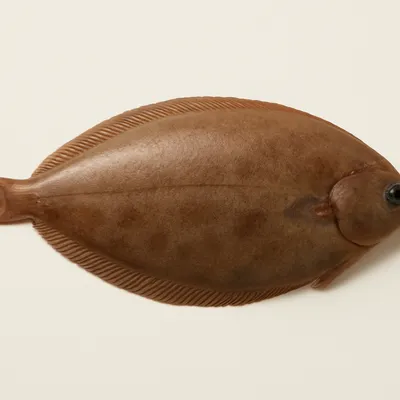
A whole Dover sole — true sole, Solea solea, not flounder rebadged — pan-seared in clarified butter until the skin crisps, then napped at service with a lemon-butter sauce (beurre meunière finished with lemon and parsley). Flesh peels cleanly off the spine in two long fillets when pulled with a spoon. Quiet flavor: brown butter, lemon, pepper, the fish itself; nothing else needed.
Meunière means 'miller's wife' — the fish is dredged in flour before searing. The flour does two things: prevents the delicate skin from sticking, and provides starch that the brown butter latches onto when the lemon goes in, thickening the sauce without flour roux. Sole substituted by flounder, plaice, or 'lemon sole' (a different species) cooks differently — true Solea solea has firmer connective tissue that holds together in the pan.
Variations
Truite meunière swaps in trout; à la grenobloise adds capers, croutons, and lemon segments; Belgian version uses sole from the North Sea and serves with frites; Lyon bistros sometimes use freshwater quenelle de brochet in the same butter.
On the Palate
Where Sole Meunière sits in the French flavor cloud
Dredge the fish in flour and brown the butter to a nutty foam before it goes in — that thin flour coat is what stops the delicate skin sticking and gives the starch that lets the lemon thicken the brown butter into a glossy sauce, no roux needed.
Ingredients





How it's made
5 steps · 16 min
- 13 min
Pat the true sole dry with paper towels and season with salt. Heat a tablespoon of butter in a skillet over medium-high heat until it foams and smells nutty.
Watch outThe butter is ready when the foam quiets and it smells like toasted hazelnut — not the second it melts, and not once it's smoking.
- 26 min
Place the sole in the skillet, skin-side down. Sear for 3-4 minutes until the edges are golden and crisp. Carefully flip and cook for another 2 minutes.
Watch outLeave it be until the edges turn golden and lift cleanly off the pan — that crust means it won't tear when you flip.
- 31 min
Remove the fish from the skillet and set aside. Add minced garlic to the pan and sauté until fragrant, about 30 seconds.
Watch outDo not let the garlic burn, as it will become bitter.
- 44 min
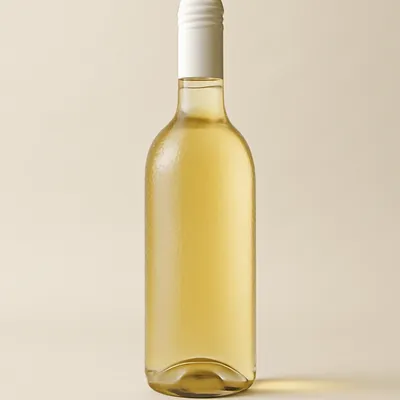
Pour in white wine, scraping up any browned bits. Let it reduce by half, then whisk in the remaining butter and lemon juice until the sauce is smooth.
Watch outWhisk the butter and lemon in off high heat until the sauce turns silky and opaque, not oily and split.
- 52 min
Return the sole to the pan, spooning the sauce over it. Sprinkle with chopped parsley and serve immediately.
Archive tool suggestions — not reviewed
These legacy suggestions have not been evidence-reviewed and are not presented as required tools.