In Practice
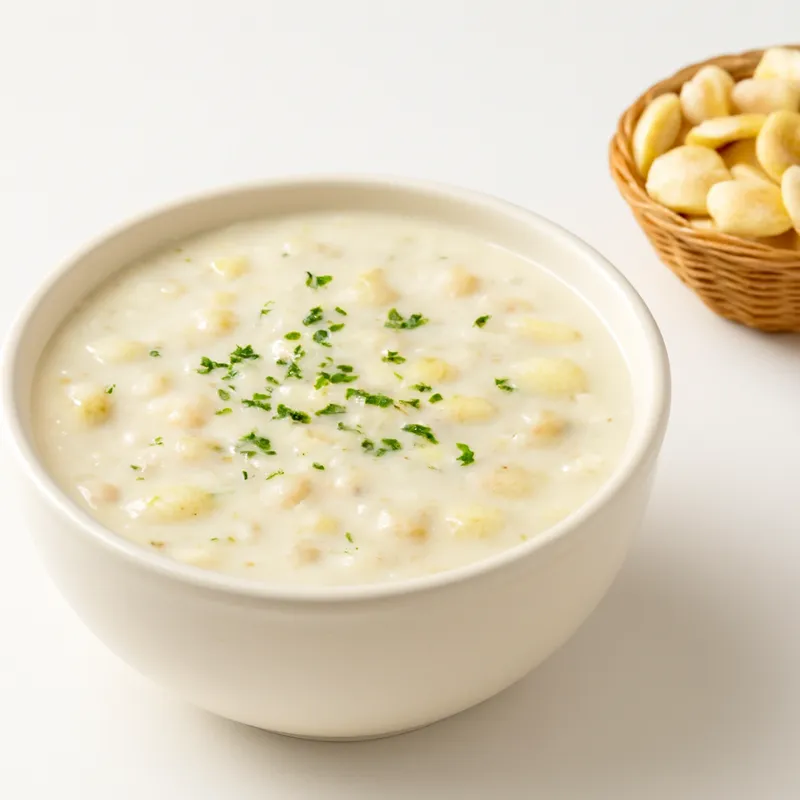
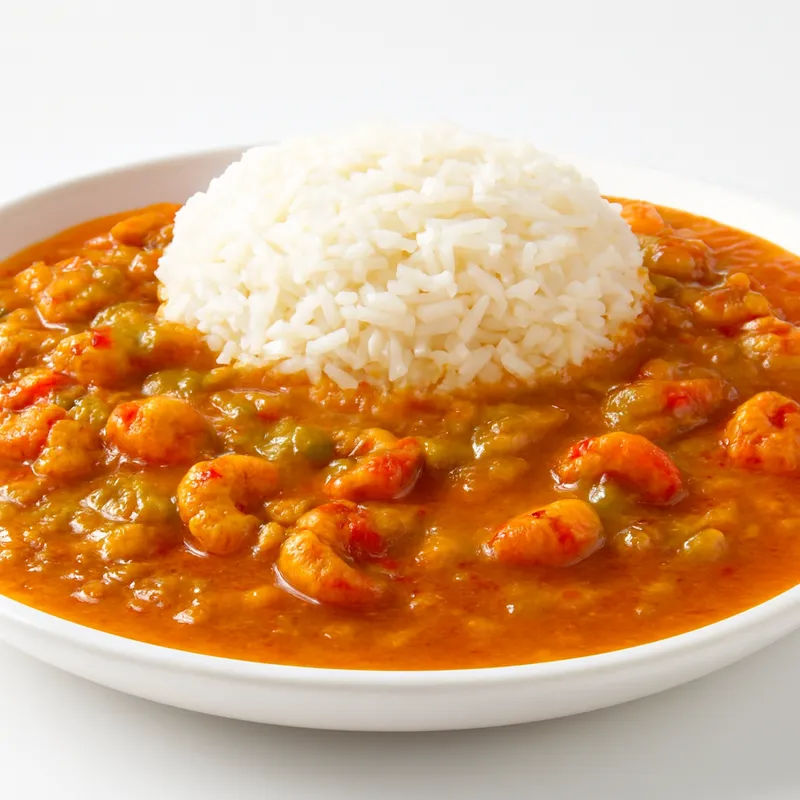
Equal weight flour and fat (oil/lard/butter; butter caps at ~180°C before solids burn, so dark roux uses oil or lard). In Cajun practice, cast-iron skillet over medium-low, whisk continuously 35-60 minutes from blonde (5-10 min, milky) to peanut butter (20-25 min, nutty) to chocolate brown (45-60 min, gumbo-grade). The 'cooked' marker is color, not time: copper penny for étouffée, milk chocolate for gumbo. Failure modes: walking away for 30 seconds at the dark stage burns it — black specks mean restart; raising heat to rush yields scorched bottom layer hiding under unbrowned upper layer; cold liquid hitting a hot dark roux causes seizing — temper with warm stock.
Background
Roux first simmered into existence in 17th-century France, where it was born out of necessity in the kitchens of the aristocracy. A simple yet ingenious blend of flour and fat, roux was used to thicken and enrich sauces, gravies, and soups, making it a staple in French haute cuisine. The need to create rich, velvety textures without using excessive amounts of meat or cream drove French chefs to perfect this technique.
When French settlers migrated to the New World, they brought their culinary traditions to Louisiana, where the roux underwent a transformation. The Cajun roux distinguished itself by its deep, nutty brown color, achieved by cooking the flour and fat longer and at a higher heat. This unique version not only thickened but added a smoky, complex flavor that became essential in dishes like Cajun Gumbo and Crawfish Étouffée.
How It Works
Wheat starch granules (predominantly amylose + amylopectin) coated in fat at 100-200°C absorb dry heat without water. As temperature climbs, the starch dextrinizes — amylose chains fragment into smaller polysaccharides — and gluten-bound proteins undergo Maillard browning, producing pyrazines (roasted aroma) and melanoidins (color). Thickening power drops by ~50% per shade of darkening because dextrinized starch swells less; flavor compensates for what viscosity sacrifices.
The Color Ladder
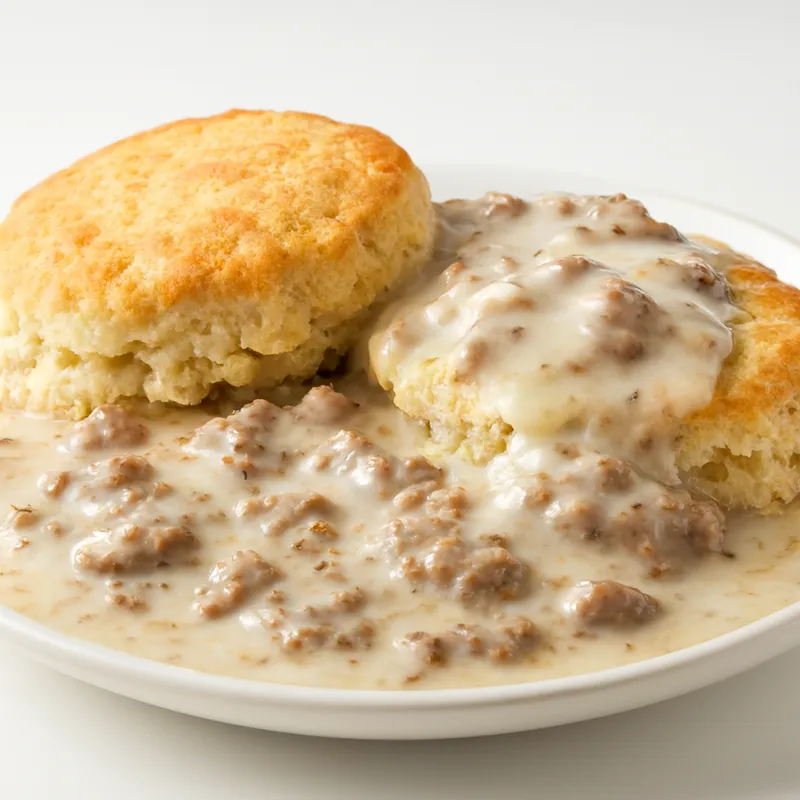
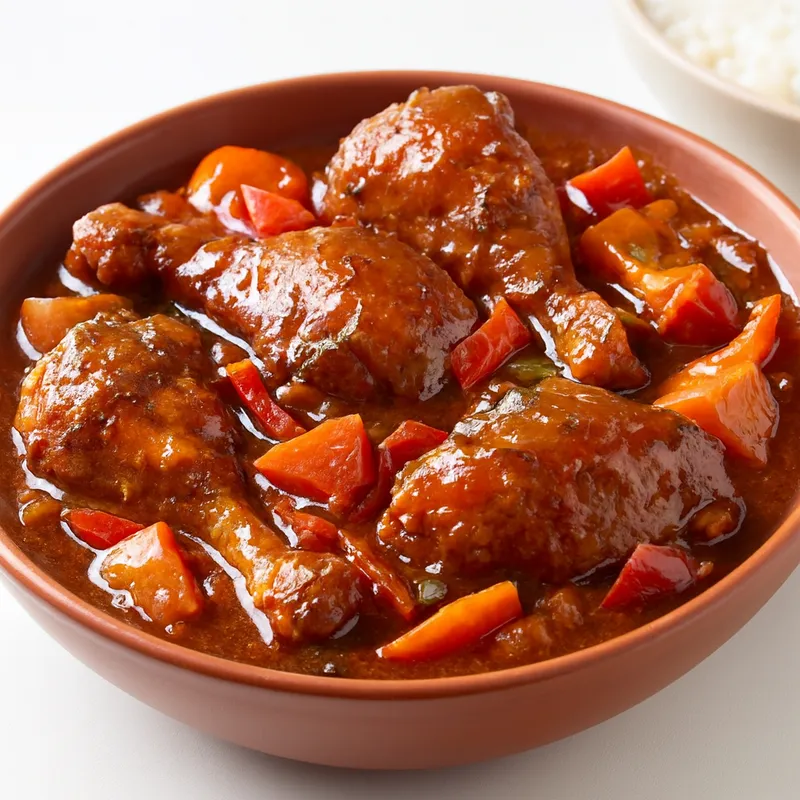
the mental modelA roux is read by its color, and color is a ladder. Every rung is the same flour and fat cooked a little longer and a little darker — and each rung is a bargain: the further you climb, the more toasted flavor you gain and the less the roux will thicken, because the browning that builds taste also shatters the starch that builds body. Know the rung you want and you know the sauce you're making.
Cook One





Through Time
Codified by Francois Pierre La Varenne in 1651's *Le Cuisinier Francois* — the first French cookbook to specify roux-based liaisons in place of medieval bread-crumb thickening, foundational to the rise of haute cuisine. Marie-Antoine Careme systematized the three colors (blanc, blond, brun) in his 1815 *L'Art de la Cuisine*. The dark Cajun roux developed in 18th-19th century Louisiana when Acadian exiles substituted oil for butter and pushed the toast longer for gumbo. Paul Prudhomme's 1984 *Louisiana Kitchen* made the chocolate-brown standard nationally known.
Related cooking knowledge
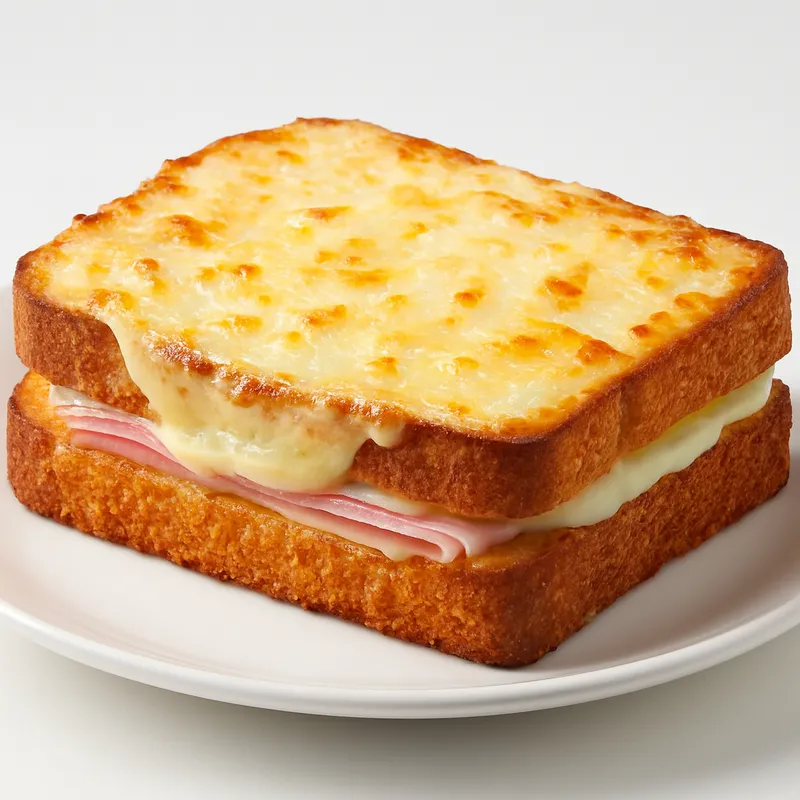
Beurre manie is the cold-blended cousin — same flour+fat ratio but uncooked, whisked into hot liquid at the end. Sauce Espagnole and bechamel are roux's direct downstream uses (brown and white mother sauces). Slurry (cornstarch+water) is the gluten-free shortcut without the toasted flavor. Sofrito-based thickening in Spanish cooking uses bread instead of roux for the same body-builder role.