
Crespelle alla valdostana are thin, French-style crêpes from Italy's bilingual Aosta Valley, each rolled around a slice of cooked ham and a sliver of Fontina. The rolls are laid side by side in a buttered dish, napped with béchamel, dusted with grated Fontina and Parmigiano, and baked until the top turns golden and the cheese inside runs molten. It is the savoury, main-course gratin version of crespelle, not the sweet kind. The dish pairs a French crêpe technique with the valley's two great mountain ingredients, raw-milk Fontina and cured Alpine ham, and reads as Alpine comfort food rather than restaurant flourish.





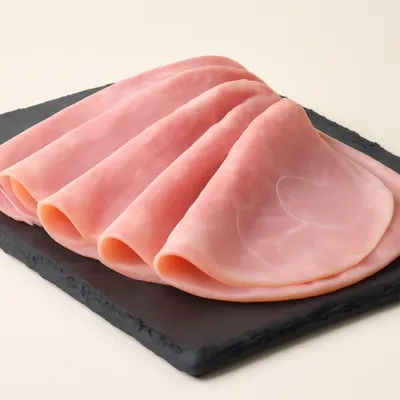
The Aosta Valley is officially bilingual French-Italian and sits against the high Alps below Mont Blanc and the Great St Bernard pass, so French-Savoyard cooking runs deep here; the crêpe (crespella) is the local everyday pancake, called crêpe à la valdôtaine in French. Rather than the invention of one cook on one date, the dish is best understood as the marriage of that imported French crêpe technique with the valley's defining dairy. Fontina is a raw cow's-milk mountain cheese documented in the valley by the 15th century — Pantaleone da Confienza praised the cheeses of the region in his treatise on dairy foods printed in 1477 — and it carries DOP (protected designation) status granted in 1996. The valley's cured pork tradition is anchored by Jambon de Bosses, the prosciutto of Saint-Rhémy-en-Bosses high on the St Bernard road, likewise a DOP product. Folded together, ham and melting Fontina inside a crêpe under béchamel make a classic of Valdostan home and trattoria cooking; no single-inventor origin or first-made year should be claimed for it.
You break through a thin, just-crisp gratin top into a soft, pillowy crêpe; the Fontina inside has gone to molten threads that pull as you lift the fork. The cooked ham gives a gentle salt-and-smoke savour, the béchamel is silky and milky, and the browned cheese on top adds a faintly nutty, toasted edge. It is rich and comforting, warm all the way through, with the crêpe melting rather than chewing.
The crêpe batter is thin and rested before cooking: resting lets the flour starch fully hydrate and the gluten relax, so the pancakes cook tender and flexible rather than tough or rubbery. The béchamel is a roux sauce — flour starch is dispersed and cooked in butter, then milk is whisked in so the starch granules swell and gelatinise, thickening the milk into a smooth, stable sauce that coats the rolls and keeps them moist as the oven's dry heat works. Fontina is one of the best melting cheeses: young, high in moisture and low in acidity, its casein network loosens cleanly with heat so it flows into molten strands instead of tightening into rubber. On the surface, proteins and sugars in the cheese and béchamel brown by the Maillard reaction, while the gratin's top heat dries and sets a thin golden crust as the interior stays creamy.
Variations
Cooks differ on the binding: some nap the rolls generously in béchamel, others use only a thin veil and let the Fontina inside carry the dish. Parmigiano-Reggiano is often grated over the top with the Fontina for a sharper, browner crust. Common additions are a layer of sautéed mushrooms or spinach folded in with the ham, or a whisper of nutmeg in the béchamel. Local cooks may use Jambon de Bosses or another cured mountain ham in place of, or alongside, the cooked ham, and a few finish the dish with a light tomato sauce rather than béchamel.
On the Palate
Where Crespelle alla Valdostana sits in the Italian flavor cloud
Ingredients
Serves 4

How it's made
8 steps · 30 min
- 18 min
Make the crêpe batter: whisk eggs, milk, a pinch of salt, and 00 flour into a thin, lump-free batter, then let it rest at least 30 minutes so the flour hydrates and the gluten relaxes.
Watch outRest the crêpe batter at least half an hour — resting hydrates the flour and relaxes the gluten so the pancakes cook tender and flexible, not rubbery.
- 212 min
Cook 8 thin crêpes in a buttered nonstick pan over medium heat, about a minute per side, until pale gold; stack and set aside.
- 38 min
Make the béchamel: melt butter, stir in flour and cook the roux briefly, then whisk in warm milk and simmer until smooth and thickened; season with salt and a little nutmeg.
Watch outCook the roux briefly, then whisk in warm milk and simmer smooth — lumps here mean a grainy béchamel that won't coat the rolls evenly.
- 46 min
Lay each crêpe flat, place a slice of cooked ham and a sliver of Fontina on it, and roll it up snugly.
- 54 min
Spread a little béchamel in a buttered baking dish, arrange the rolls seam-side down in a single layer, and nap them with the remaining béchamel.
- 62 min
Scatter grated Fontina and Parmigiano over the top and dot with a little butter.
- 718 min
Bake at 200 °C until the top is golden and the cheese is bubbling, about 15 to 20 minutes.
- 83 min
Rest a few minutes so the filling sets slightly, then serve hot.
Archive tool suggestions — not reviewed
These legacy suggestions have not been evidence-reviewed and are not presented as required tools.


