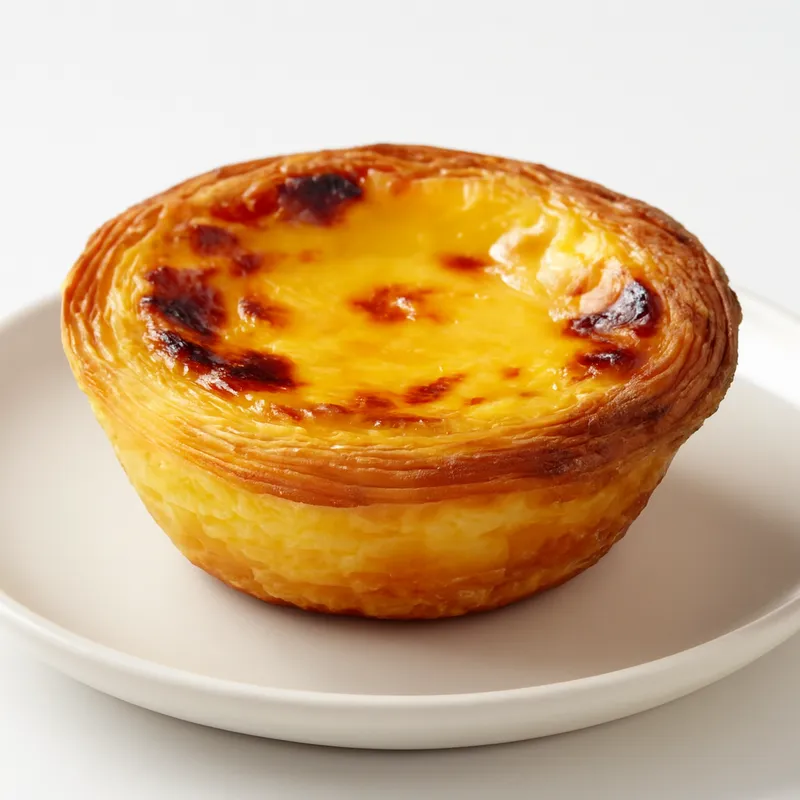
The universal finish. Cold, into a hot pan, at the last second.
Churned cream fat; rich in diacetyl and short-chain fatty acids that create buttery warmth.
Where it comes from
Butter, believed to have originated in ancient Mesopotamia, has been a beloved cooking fat in various cultures, celebrated for its flavor-enhancing properties.
In the kitchen
Butter serves as a base for sauces, a cooking fat, or a finishing touch, enriching dishes with its smoothness and enhancing both savory and sweet flavors.
Across cuisines
French cuisine builds a taxonomy around butter's thermal states. Beurre noisette (hazelnut butter) is cooked to 150 °C until milk solids brown and emit a nutty aroma — the base of financiers and meunière sauce. Beurre blanc is an emulsified reduction of white wine and shallots mounted with cold butter off-heat; it breaks above 65 °C, so it is never boiled. Beurres composés (compound butters) — maître d'hôtel, bercy, café de Paris — are rolled, chilled, and sliced to finish grilled meats. Puff pastry (feuilletage) uses a dry beurre sec (84%+ fat, low moisture) for distinct lamination.
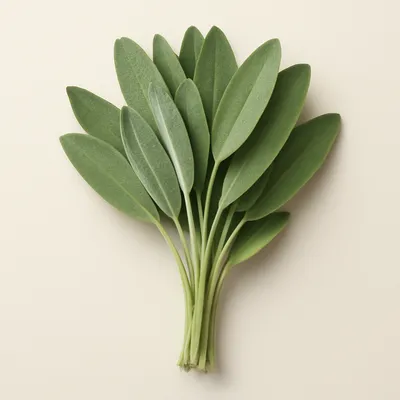
Northern Italian cooking — particularly Lombardy, Piedmont, and Emilia-Romagna — relies on butter where the south uses olive oil. Burro fuso (melted butter with sage leaves) is the canonical sauce for agnolotti and ravioli, letting the pasta flavor lead. Risotto mantecatura finishes the dish off-heat with cold, cubed butter stirred vigorously to create a creamy emulsion without further cooking. Milanese pastries (pan di Spagna, sbrisolona) use whole butter for a short, crumbly texture.
American Southern baking turns on fat-flour technique: biscuits use cold cubed butter (or lard) cut into self-rising flour; the steam from water in butter pockets creates flaky layers during baking. Bananas Foster was invented at Brennan's New Orleans in 1951 — bananas caramelized in butter, brown sugar, and banana liqueur, flambéed and served over ice cream. Apple crisp stacks sliced fruit under a rubbed-in butter-oat-sugar topping that bakes to a crumbly crust.
Notable varieties
Cream is fermented with lactic-acid bacteria before churning, developing diacetyl and lactic acid — a tangy, complex flavor absent in sweet cream butter. Fat content typically 82–84%. Preferred for viennoiserie lamination and finishing sauces where flavor presence matters.
Made from fresh, unfermented cream — neutral and milky with 80% fat (the legal US minimum). Higher moisture content (up to 16%) compared to European cultured. Works well in American-style cakes and cookies where a clean, neutral fat is preferred over flavor complexity.
Two French AOP designations. Charentes-Poitou: slow-churned from the cream of Charentais cows on Atlantic limestone pastures — pale, mild, sweet. Isigny: Normandy grass-fed cream, naturally high in carotenoids giving a distinctly yellow color and richer fat-soluble flavor.
Made from the milk of cows at high-altitude alpine pastures (malga) during summer. Rich in omega-3s and beta-carotene from mountain herbs. Distinctly yellow, with a grassy, floral note. Used raw on bread or to finish risotto where its flavor is unmasked by heat.
Nutrition (per 100g)
AI-estimated; model and run unavailable.
Pairs well with