Turkish
The crossroads kitchen — where East meets West over a slow fire.
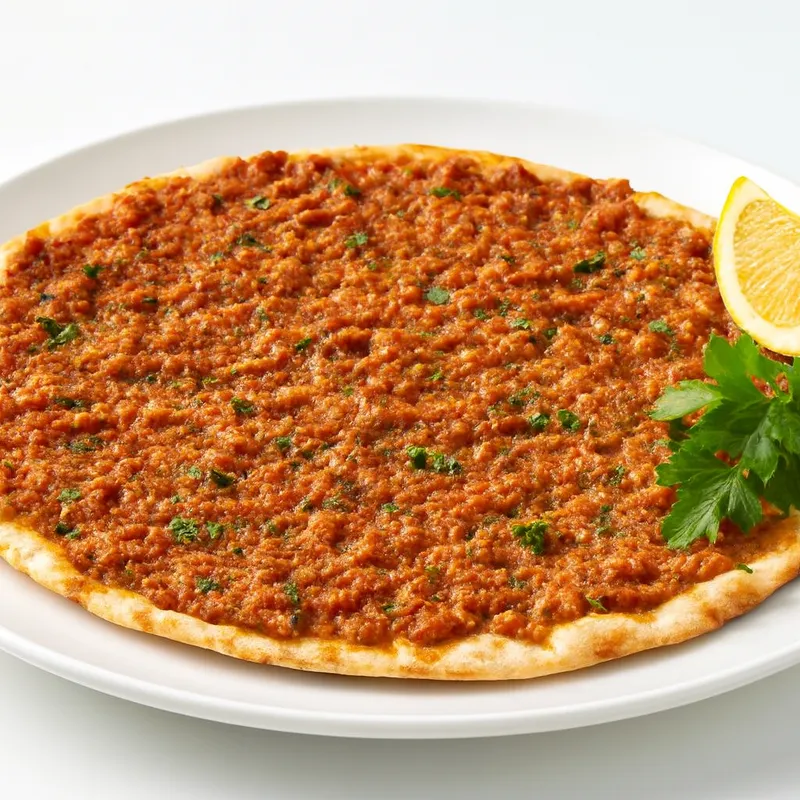
Lahmacun
Thin Turkish flatbread topped with spiced minced lamb, parsley, and lemon — rolled and eaten by hand.
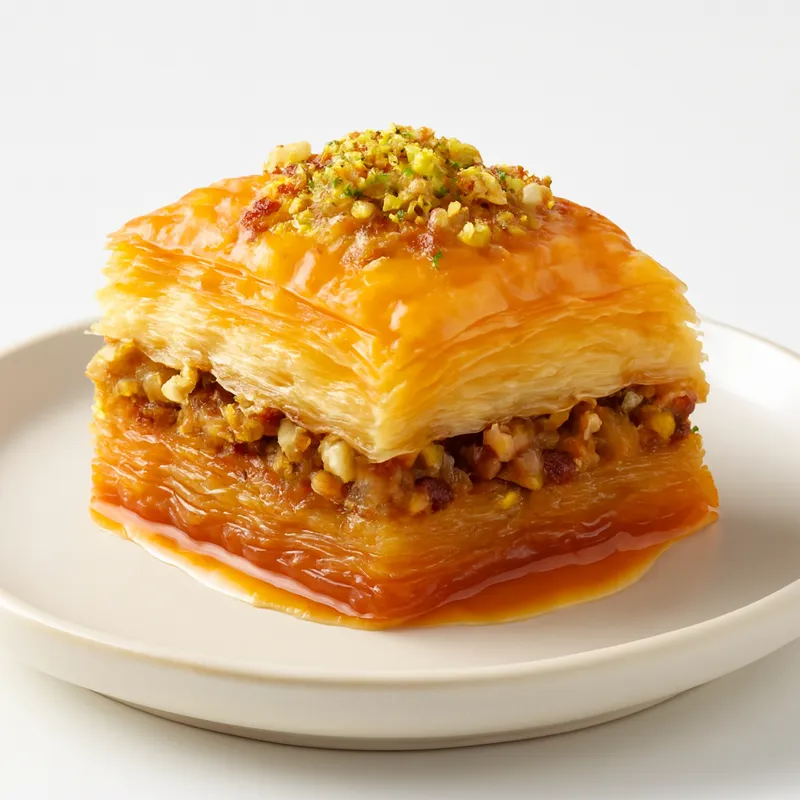
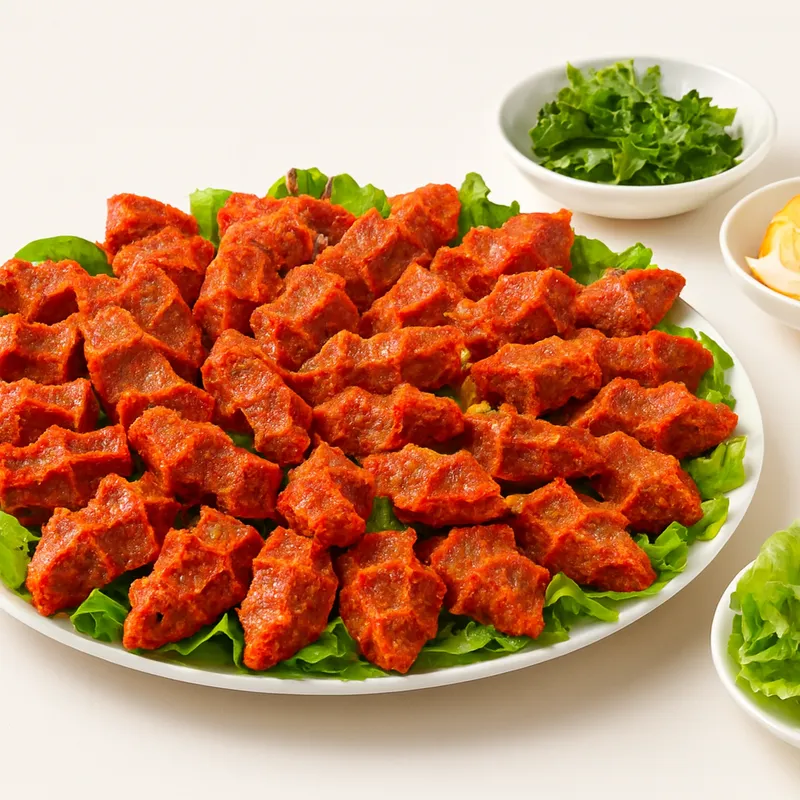
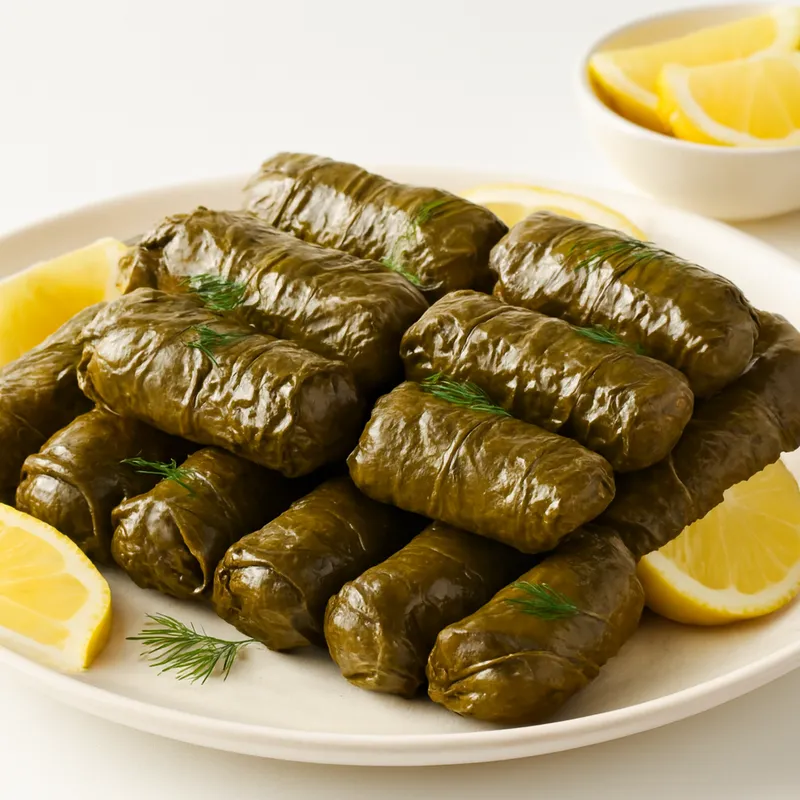
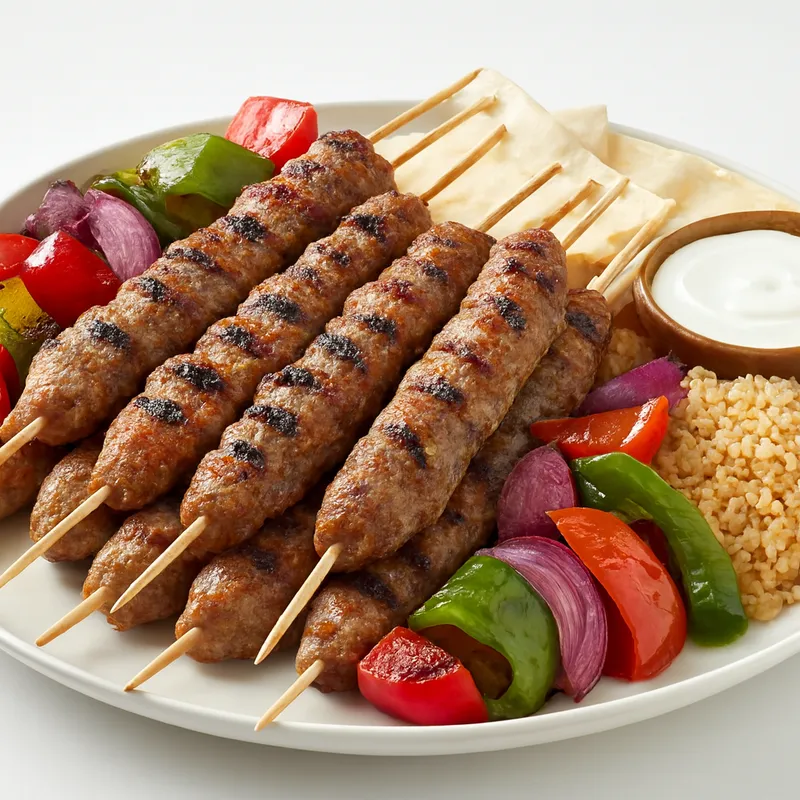
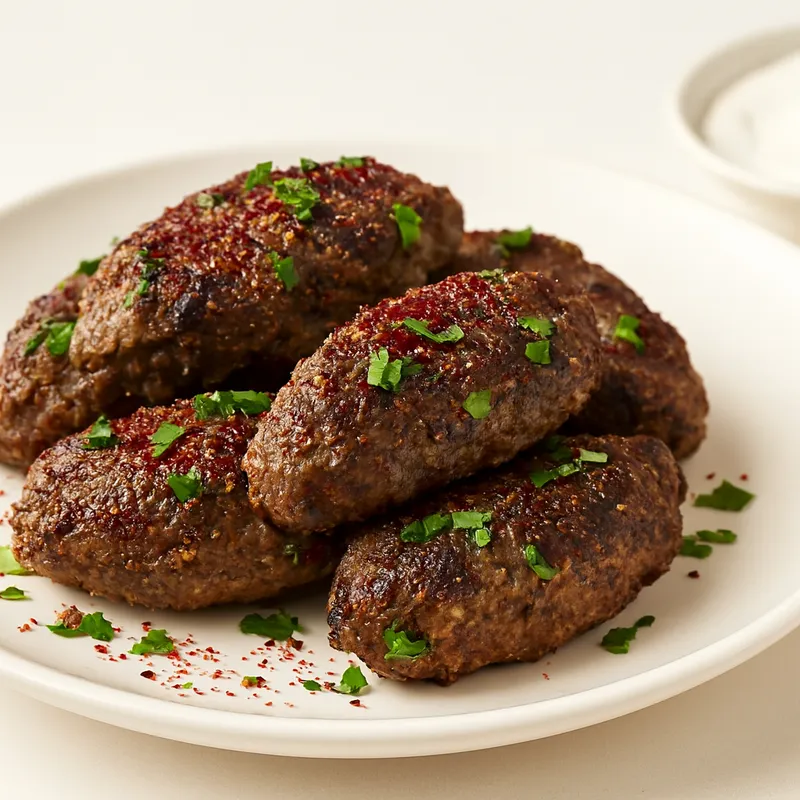
View page →Turkish cooking spans grilled meats, vegetables cooked in olive oil, and a deep pastry-and-dessert tradition, drawing on Ottoman, Mediterranean, and Central Asian roots. Kebabs are the headline: döner (meat stacked on a vertical spit and shaved off), şiş (cubed meat on skewers), and the spicy Adana kebab of hand-minced lamb. Meals start with meze — small cold plates like haydari (strained yogurt with garlic), ezme (chopped chili-tomato relish), and dolma (rice-stuffed vine leaves). Other staples include mantı (tiny lamb dumplings under garlic yogurt), pide (boat-shaped flatbread with toppings), and köfte (grilled meatballs). For dessert, baklava layers paper-thin filo with pistachios and syrup, and künefe is shredded pastry filled with melting cheese. Strong black tea served in tulip glasses, and thick Turkish coffee, accompany everything.
The Palate
What makes it taste like itself
Start Here
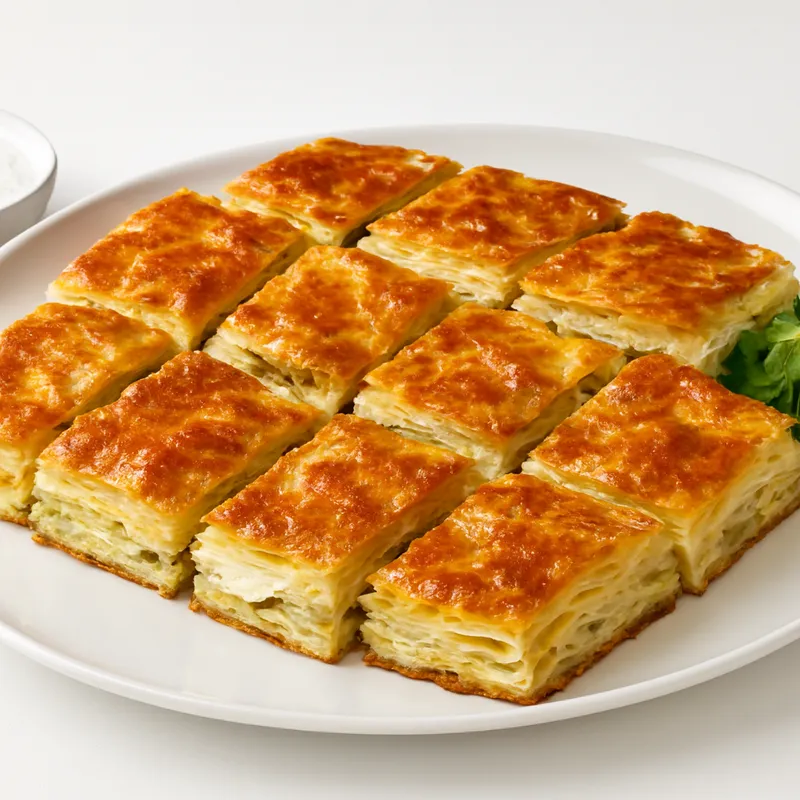
Borek is a masterclass in contrasting textures, with its delicate, flaky pastry encasing a savory filling of cheese, spinach, or minced meat, embodying the essence of Turkish comfort food.
Why start here · Borek offers a perfect introduction to the interplay of textures and flavors in Turkish cuisine.
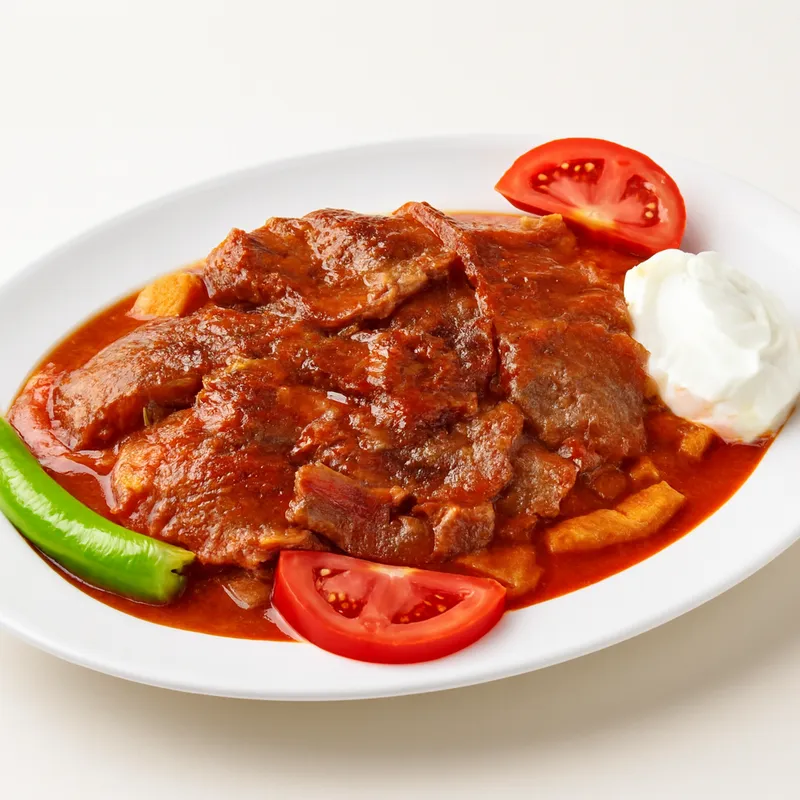
Iskender Kebab is a dish that melds succulent, thinly-sliced lamb with the tang of yogurt and the richness of tomato sauce, served over soft pita and drizzled with melted butter.
Why start here · This dish exemplifies the traditional Turkish balance of savory and tangy elements.
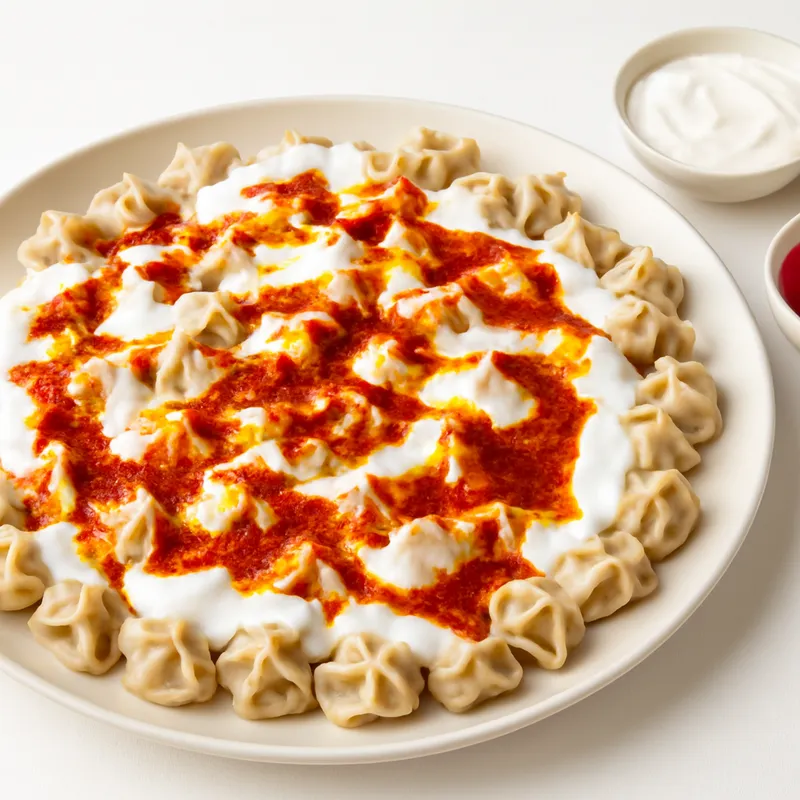
Manti are delicate dumplings filled with spiced meat, served with a dollop of yogurt and a drizzle of hot pepper oil, showcasing the Turkish love for small, intricate bites.
Why start here · Manti provides a window into the Turkish art of transforming simple ingredients into something extraordinary.
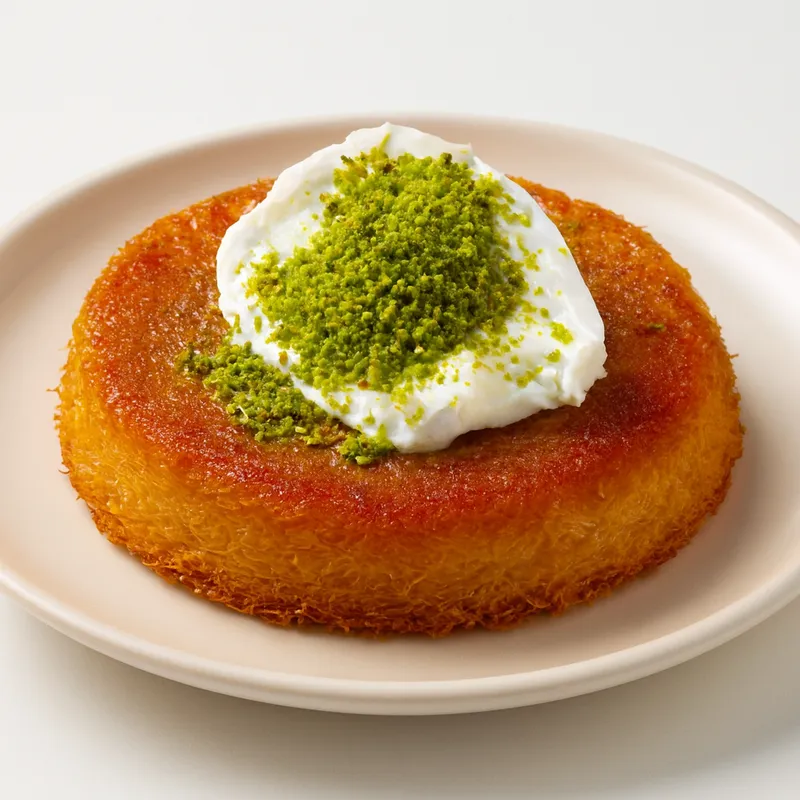
Kunefe pairs crispy shredded pastry with creamy cheese, soaked in sticky sweet syrup — a dessert that captures the Turkish knack for balancing sweetness and texture.
Why start here · Kunefe is an ideal introduction to the indulgent side of Turkish desserts.
Cook First
The easiest way in


The Pantry








See all 208 ingredients›






Vegetables













Herbs & Spices


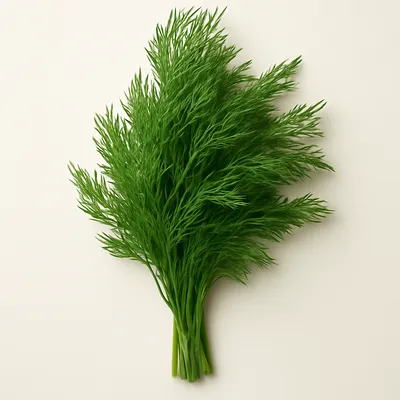

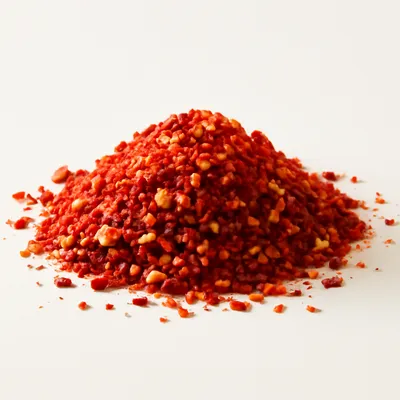



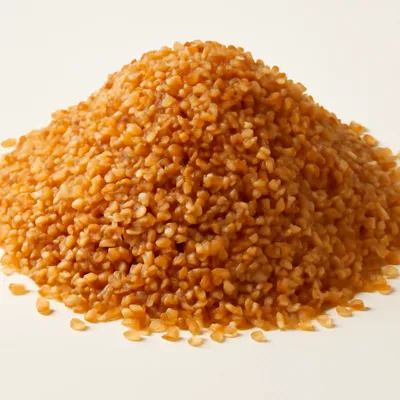


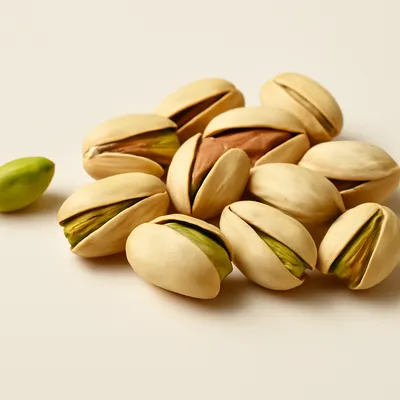

Dairy & Fats





Sauces & Condiments








Five Regions
Five kitchens — Aegean olive-oil-and-herbs, Anatolian heartland-meat-and-grain, Black Sea hamsi-and-cornmeal, Southeast fire-and-spice (Gaziantep baklava + Adana kebab), Marmara Ottoman-heritage Istanbul street food and drinks. Tap a region to see its table.
The pastoral-agricultural heartland — wheat, mutton, yogurt at the core. Long cold winters drive a cuisine of warming filling food: thick lentil and bulgur soups (mercimek, yayla, ezogelin), buttered rice pilavs with chickpeas, and the world-class Kayseri pastırma cured beef.
The Ottoman heritage kitchen of Istanbul and Bursa — iskender kebab from Bursa, Istanbul street food (balık ekmek, kokoreç, midye dolma), and the imperial drink legacy (Türk kahvesi, boza, salep, lokum). Distinct from Aegean and Anatolian by its imperial-court refinement and dense urban street-food culture.
Fire-and-spice region at the Arab-Kurdish-Persian crossroads. Gaziantep is a UNESCO City of Gastronomy. Adana and Urfa kebabs (the country's two iconic flat-skewer lamb preparations), baklava with EU PGI protection, world-best Antep pistachios, içli köfte, lahmacun.
Mediterranean-Turkish coast — olive-oil-rich (not butter), herb-forward (dill, mint, parsley), seafood-aware. Bright, light, acidic — lemon and yogurt are constant companions. Heartland of zeytinyağlı vegetables-in-olive-oil, meze culture (cacık, haydari), and the rakı table.
Cool wet north coast more Caucasian than Mediterranean — hamsi (Black Sea anchovies) the defining ingredient, with cornmeal (corn replaced wheat in the wet climate), hazelnuts (70% of world supply), and karalahana kale. Signature: hamsili pilav, muhlama, Akçaabat köftesi.
How They Cook
Techniques that define this cuisine
Grilling
Grilling is essential in Turkish cuisine for imparting smoky flavors and charred textures to meats and vegetables.
Kneading
Kneading is a revered technique in Turkish kitchens, crucial for creating the perfect texture in breads and pastries.
See 19 more techniques›
Turkish cuisine relies on baking to create the golden, flaky pastries and soft breads that are foundational to its meals.
Roasting in Turkish cuisine highlights the natural flavors of meats and vegetables, creating deep, caramelized notes.
Braising brings out the deep, complex flavors in Turkish stews and meat dishes, making them tender and flavorful.
Sauteing is used to quickly cook vegetables and spices, preserving their flavors and adding a burst of freshness to dishes.
Simmering allows Turkish dishes to develop complex flavors over time, particularly in stews and sauces.
Boiling is used in Turkish kitchens to prepare the hearty broths and soups that form the base of many traditional meals.
Marinating is employed to infuse Turkish meats with spices and flavors, preparing them for grilling or roasting.
Kindred Kitchens
Cuisines built on the same signature ingredients
Signature Dishes (171)
Browse all 171 dishes›
Drinks
11


Starters
31




Soups
7


Mains
61









Sides
5


Sweets
31