In Practice
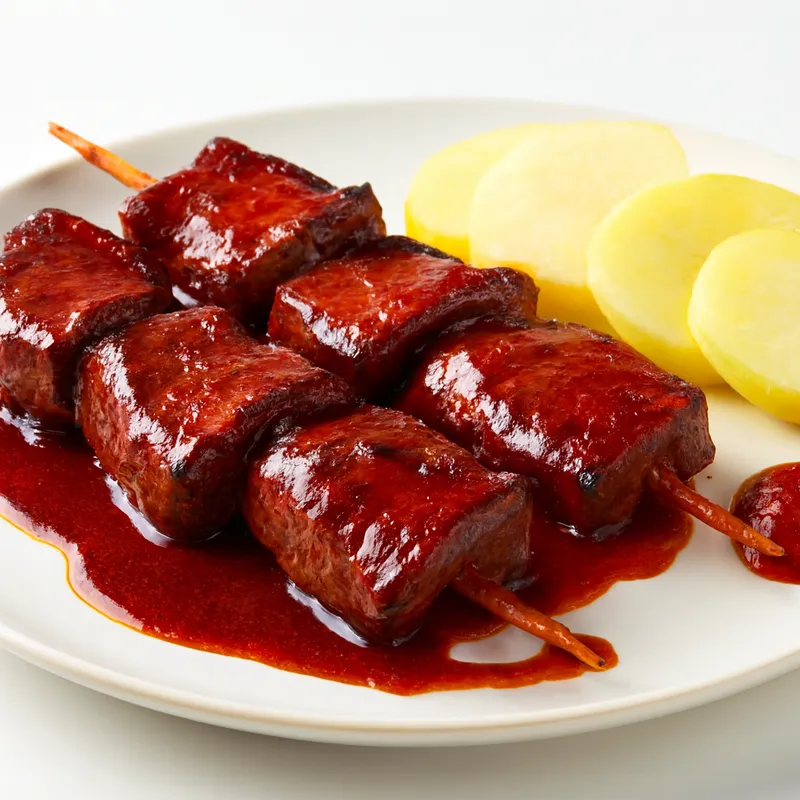
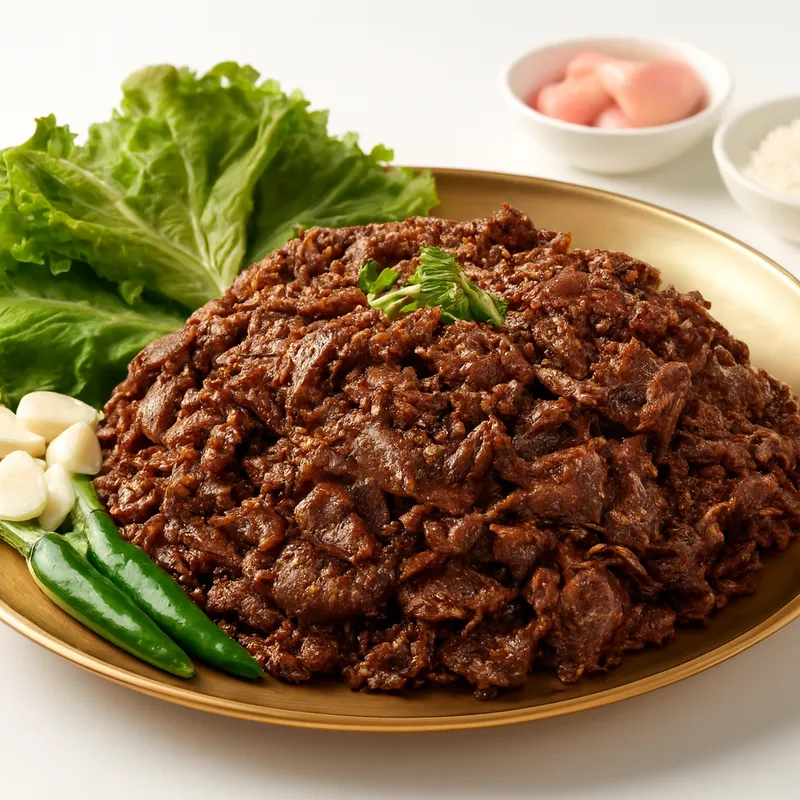
Salt-driven (Korean bulgogi, Mediterranean): 1.5-2% salt in marinade for thin cuts, 30 min to 4 hours. Acid-driven (ceviche, escabeche): citrus or vinegar denatures fish in 5-30 min — 'cooked' look is collagen denaturation, not heat. Enzyme-driven (Hawaiian poke with pineapple, Indian yogurt-marinated tikka): cap at 2-4 hours or proteins over-degrade to mush. Yogurt's calcium-binding proteins gentle the tenderizing — Indian tikka safely marinates 6-12 hours. Dry-rub vs. wet marinade: dry penetrates less but builds better crust by avoiding surface moisture. Failure modes: too long in acid turns fish chalky; pineapple/papaya on beef over 6 hours yields baby-food texture; alcohol-heavy marinades (red wine) need oil to carry fat-soluble flavor into the meat.
Background
Marinating is a technique that has been embraced by numerous culinary traditions, each with its unique approach. In Korean cuisine, bulgogi is marinated in a mixture of soy sauce, sesame oil, garlic, and sugar, giving it a sweet and savory profile. Indian cuisine uses yogurt and spices in dishes like butter chicken to tenderize and flavor the meat. In Peru, ceviche is marinated in citrus juices, which not only flavors but also 'cooks' the fish. Mexican tacos al pastor involve marinating pork in a blend of chilies and spices, resulting in a robust taste.
How It Works
Three concurrent mechanisms: (1) salt/soy migrates into the protein, denatures myosin and dissolves muscle fibers slightly, increasing water-binding capacity; (2) acidic components (vinegar, citrus, yogurt, wine — pH 3-5) denature surface proteins, tenderizing the outer 2-3mm; (3) enzymes from papaya (papain), pineapple (bromelain), ginger (zingibain), or kiwi (actinidin) cleave collagen and elastin. Fat-soluble aromatics (oil-carried herbs, spices) ride into the surface fat phase; water-soluble compounds (alliums, soy) penetrate only 5-10mm in 24 hours.
Dish examples
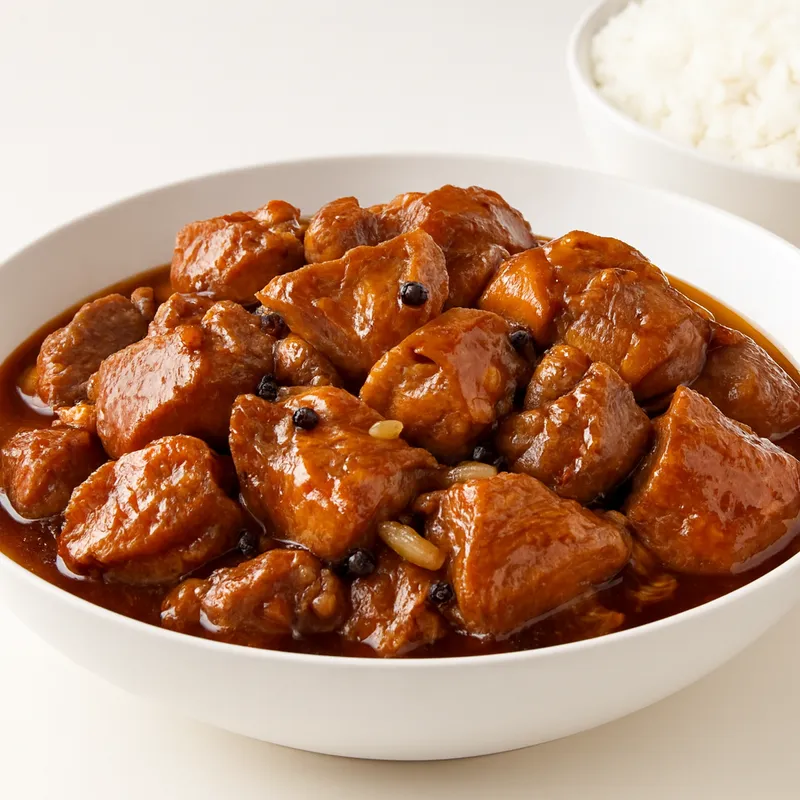
721 dishes · 113 cuisines



Through Time
The word marinare comes from Italian 'in brine'; Apicius's 1st-century *De Re Coquinaria* documents wine-vinegar-honey marinades for game. Each cuisine has its named tradition: escabeche (Spanish/Filipino, 16th century), nam pla prik (Thai), bulgogi yangnyeom (Korean, codified Joseon dynasty), tandoori marinade (Mughal, 16th century Delhi-Lahore). Modern food-science framing came through Harold McGee (1984) and Nathan Myhrvold's *Modernist Cuisine* (2011), which quantified penetration rates and enzymatic timing.
Related cooking knowledge
Curing is marinating's long-duration salt-dominant relative (gravlax, prosciutto). Brining is marinating without acid or enzyme — pure salt-driven water uptake. Fermentation is marinating with microbial activity added (kimchi, sauerkraut). Sous vide bag marinating accelerates penetration via pressure. Velveting (Chinese, egg-white + cornstarch on meat) is marinating's stir-fry-specific Chinese variant — protective coat rather than penetrative flavor.