

Malaysian
Where Malay, Chinese, and Indian kitchens share a hawker table.
Belacan
A fermented shrimp paste that provides a deep umami flavor, fundamental to Malaysian sambal and curry bases.
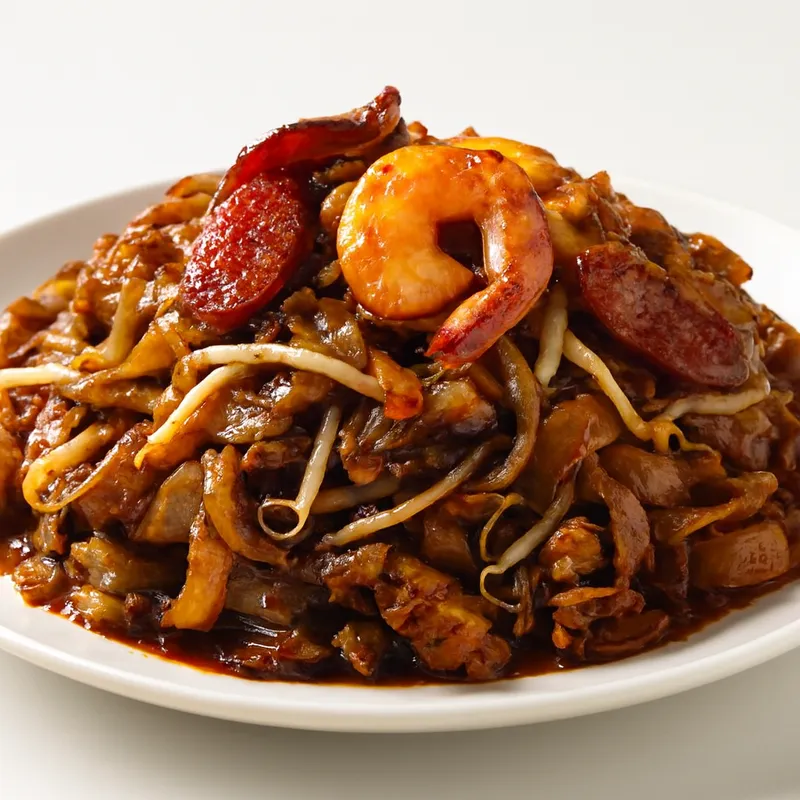
View page →Malaysian food sits at the meeting point of Malay, Chinese, and Indian cooking, and it is unapologetically bold — chili, coconut, and dried shrimp paste called belacan run through it. The unofficial national dish is nasi lemak: rice cooked in coconut milk, served with a sweet-spicy chili sambal, fried anchovies, peanuts, cucumber, and egg. Laksa is the other icon, splitting into two camps — the coconut-curry laksa lemak of the south and the sour, tamarind-and-mackerel asam laksa of Penang. From the hawker stalls come char kway teow, flat rice noodles stir-fried hard over high heat with prawns and Chinese sausage, and roti canai, a flaky griddled flatbread of Indian origin pulled and folded thin, eaten with dhal or curry. The drink to order is teh tarik, black tea and condensed milk pulled between two cups until frothy.
The Palate
What makes it taste like itself
Start Here
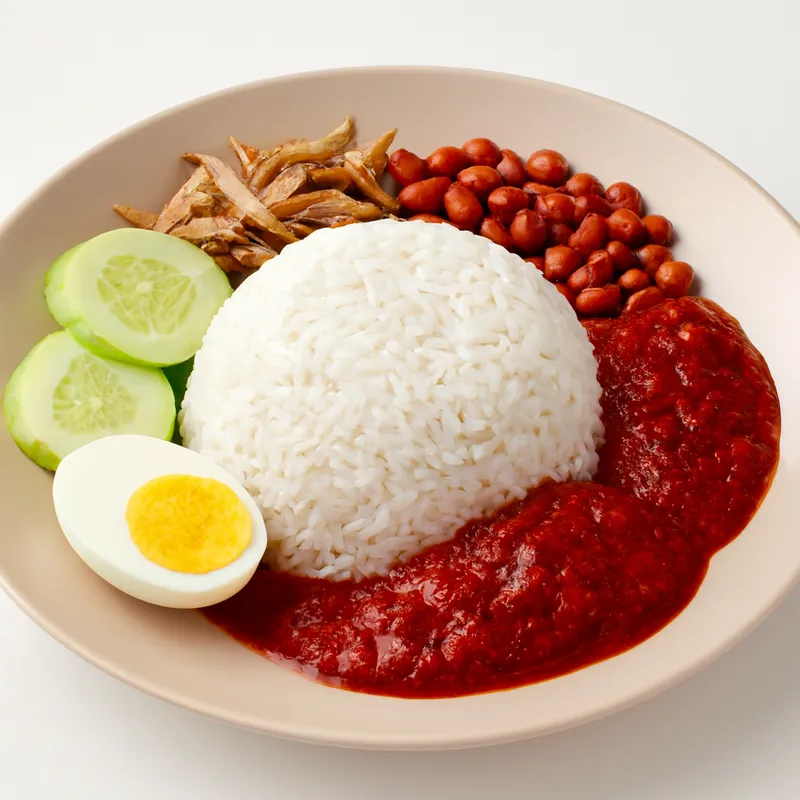
Nasi Lemak is Malaysia's national dish, a fragrant rice cooked in coconut milk and served with spicy sambal, crispy anchovies, and crunchy peanuts.
Why start here · It's a quintessential introduction to the balanced blend of flavors in Malaysian cuisine.
Assam Laksa is a tangy, spicy fish noodle soup, renowned for its unique combination of sour tamarind and fish broth.
Why start here · This dish showcases the bold, zesty flavors that are a hallmark of Malaysian cuisine.
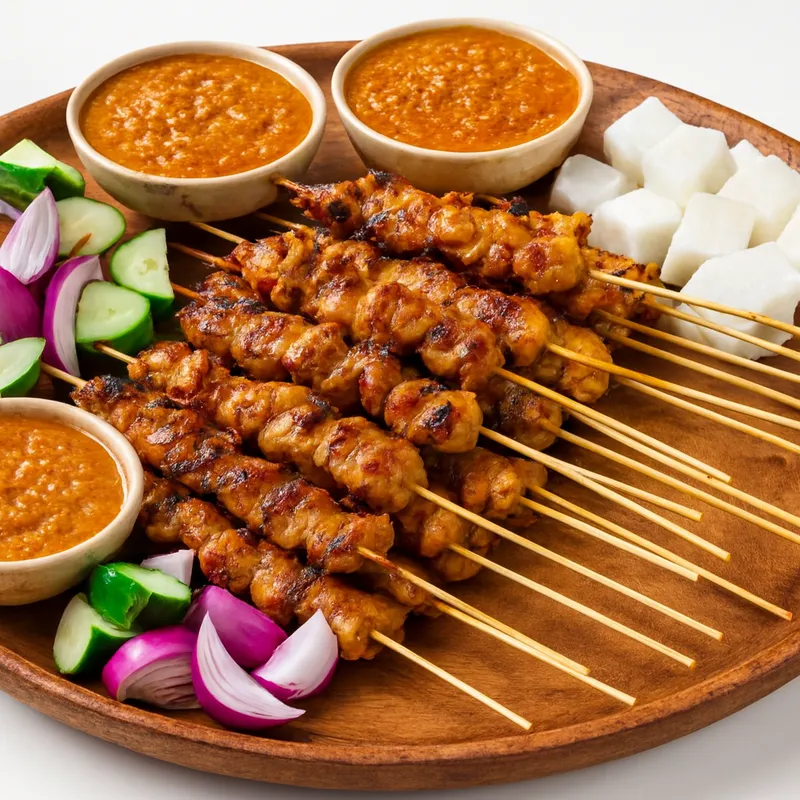
Malaysian Satay features skewers of marinated meat grilled to perfection, served with a rich peanut sauce.
Why start here · It's a perfect representation of Malaysian street food culture and communal eating.
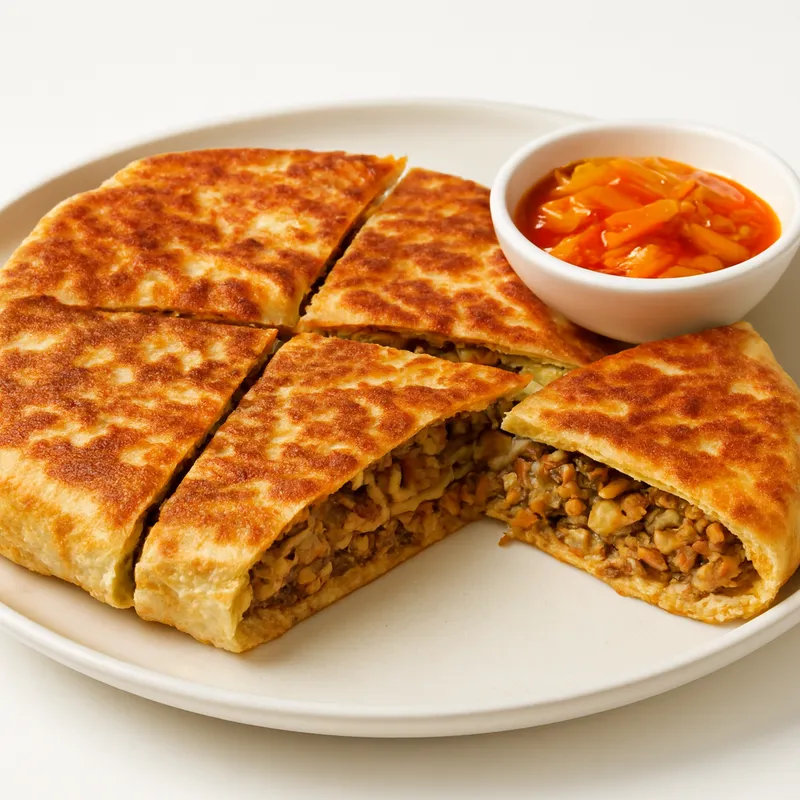
Roti Canai is a flaky, crispy flatbread that is kneaded and folded repeatedly, often served with curry.
Why start here · This dish highlights the art of dough manipulation and the influence of Indian cuisine in Malaysia.
Cook First
The easiest way in


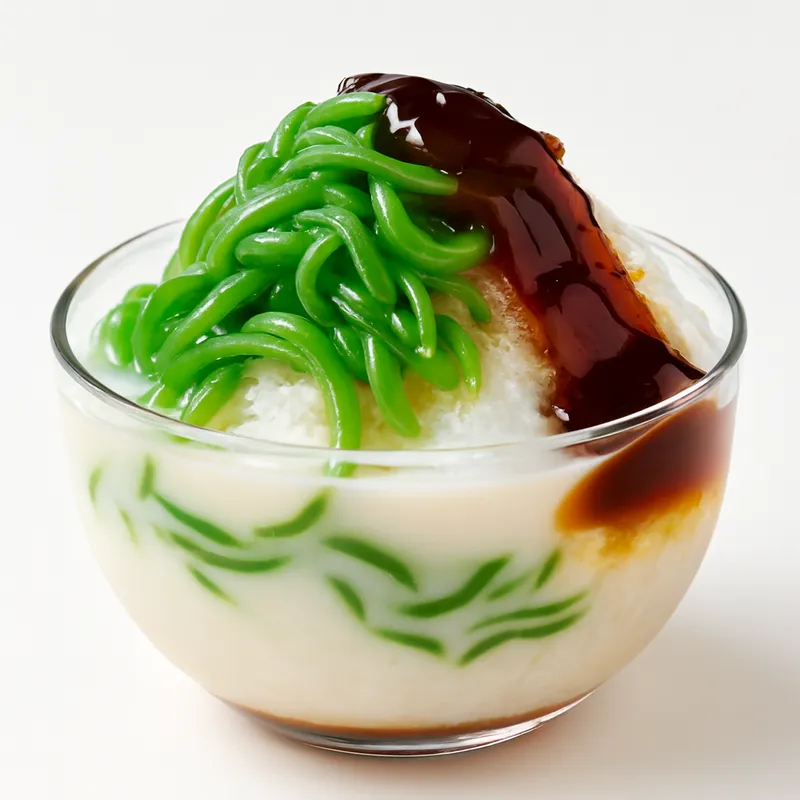
The Pantry


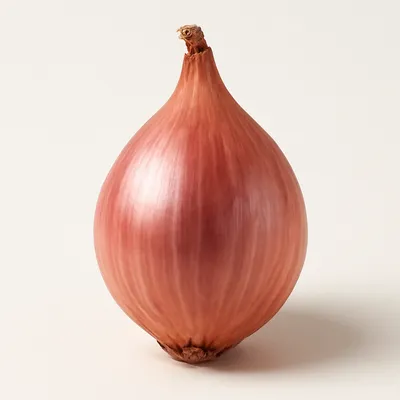



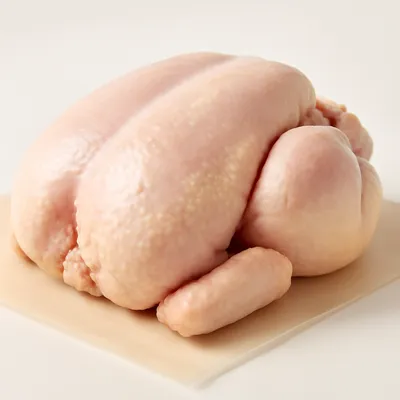
See all 206 ingredients›


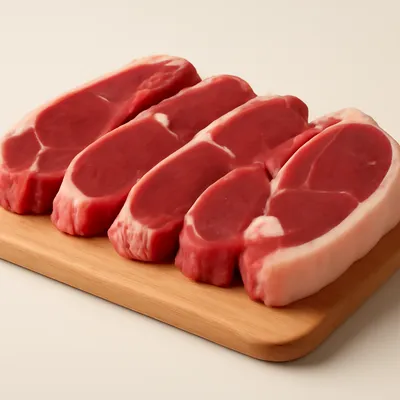
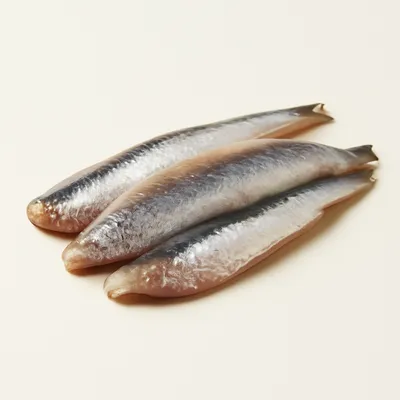


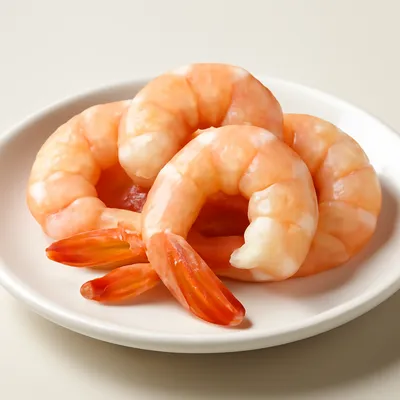
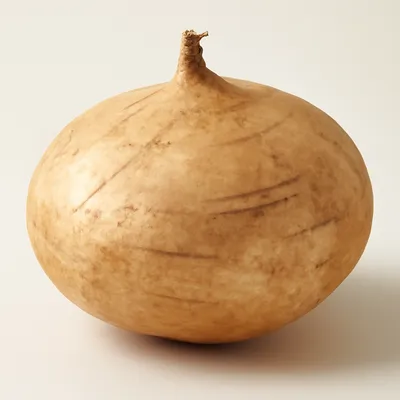

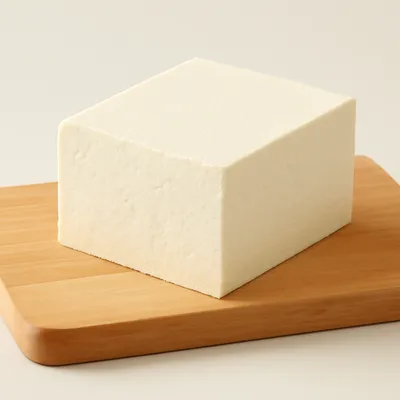

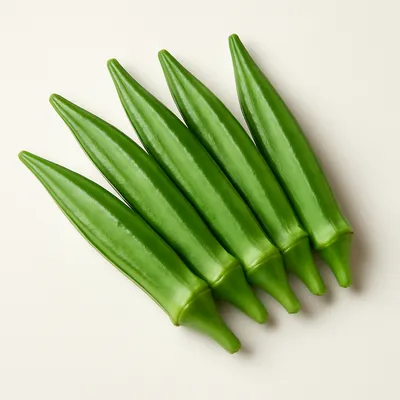


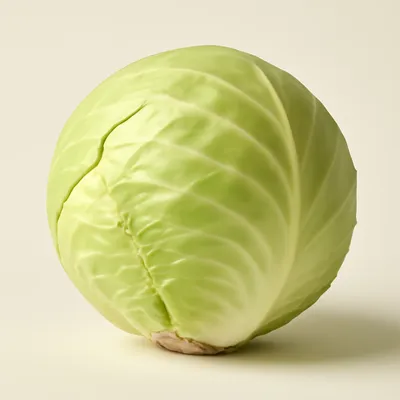


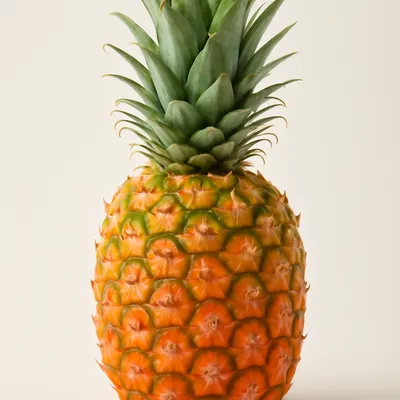
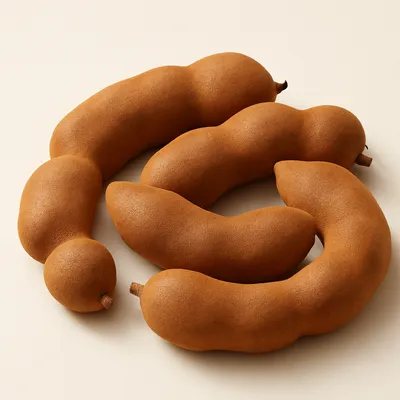

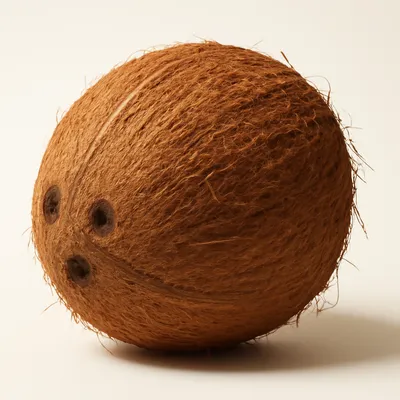

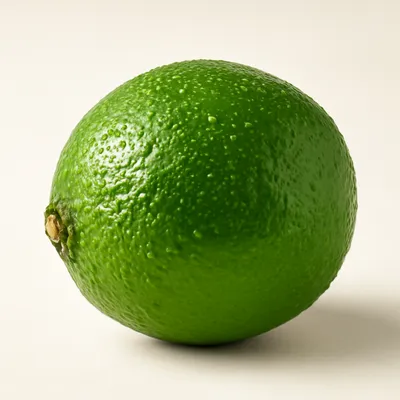


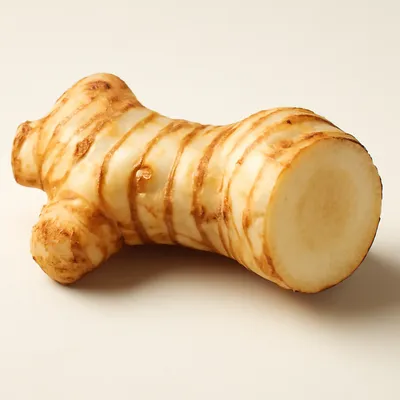
Herbs & Spices






Grains & Staples






Dairy & Fats







Sauces & Condiments




Other

Four Communities
Four communities — Malay (nasi lemak, rendang, otak-otak), Chinese (char siu, bak kut teh, char kway teow), Indian-Mamak (roti canai, teh tarik, mee goreng), Peranakan-Nyonya (laksa, ayam pongteh, kuih). Tap a community to see its table.
Muslim-Malay coconut rice — nasi lemak, satay, rendang, cendol.
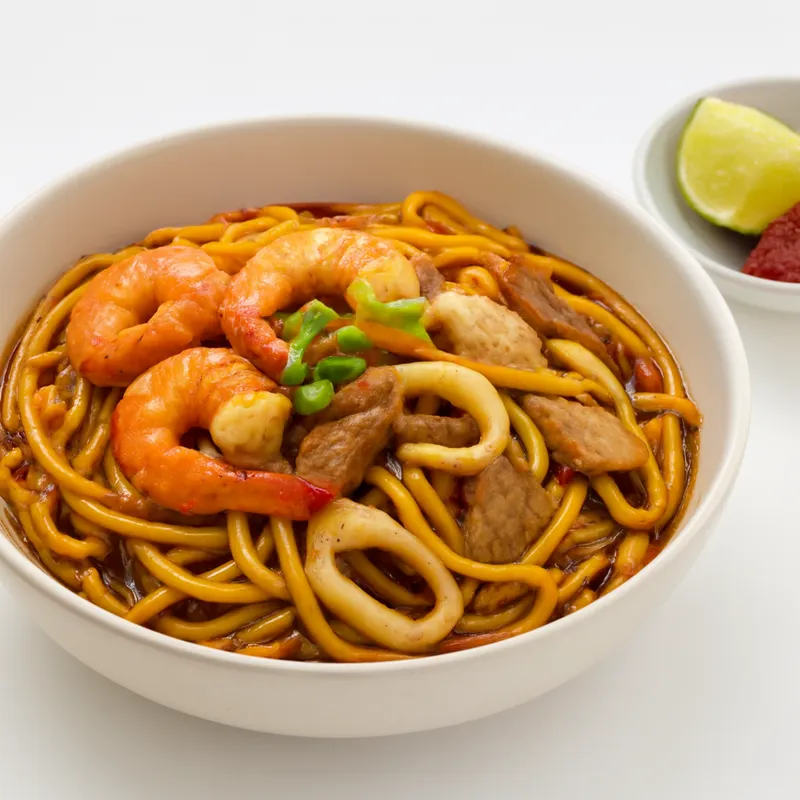
Tamil-Muslim 24-hour street culture — roti canai, mee goreng, murtabak, teh tarik.
Chinese-Malay syncretic centuries — assam laksa, otak-otak, kueh, ayam buah keluak.
Hainanese-Hokkien-Cantonese diaspora — chicken rice, bak kut teh, char kway teow.
How They Cook
Techniques that define this cuisine
Steaming
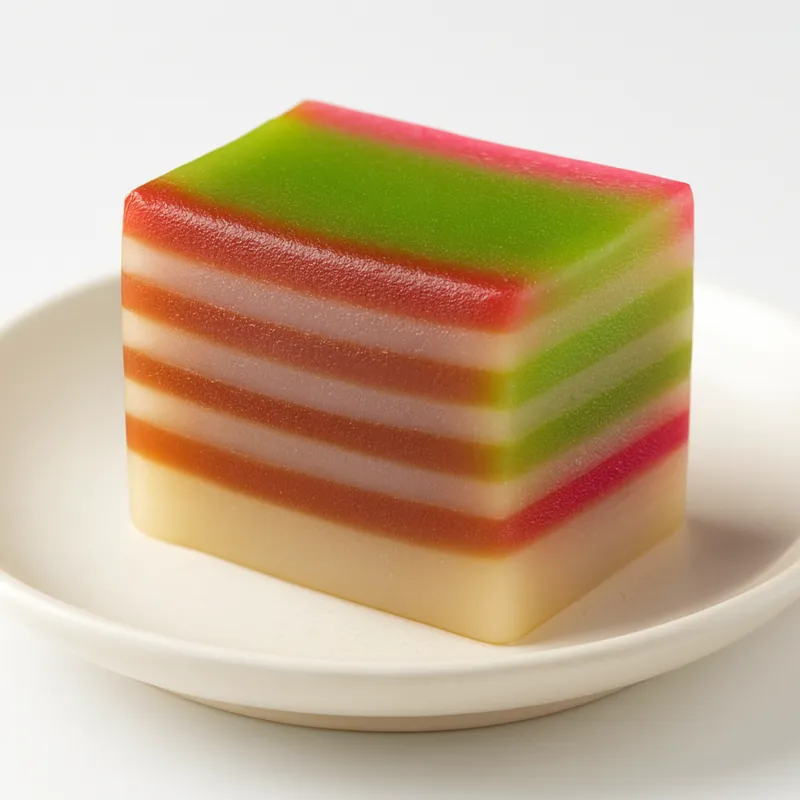
Steaming is a gentle method to preserve the delicate textures of ingredients in Malaysian desserts.
Stir Frying
Stir frying is a staple technique in Malaysian kitchens, used to quickly cook noodles and vegetables with intense heat.
See 13 more techniques›
Sauteing is used to bring out the aromatic qualities of spices in dishes like Mee Goreng.
Marinating is key in Malaysian cuisine for infusing meats like satay with bold spices and flavors before grilling.
Grilling imparts a smoky char to Malaysian satay, enhancing its marinade with a deep, caramelized flavor.
Kneading is essential in creating the layered texture of Roti Canai, a staple of Malaysian breakfast.
Simmering is employed to develop deep flavors in Malaysian curries, allowing spices to meld into a rich sauce.
Deep frying in Malaysian cuisine is used to achieve the perfect crunch in dishes like fried tofu and crispy anchovies.
Poaching in Malaysian cuisine gently cooks chicken for Hainanese Chicken Rice, ensuring it remains tender and juicy.
Kindred Kitchens
Cuisines built on the same signature ingredients
Signature Dishes (67)
Browse all 67 dishes›
Drinks
5


Soups
5

Mains
31