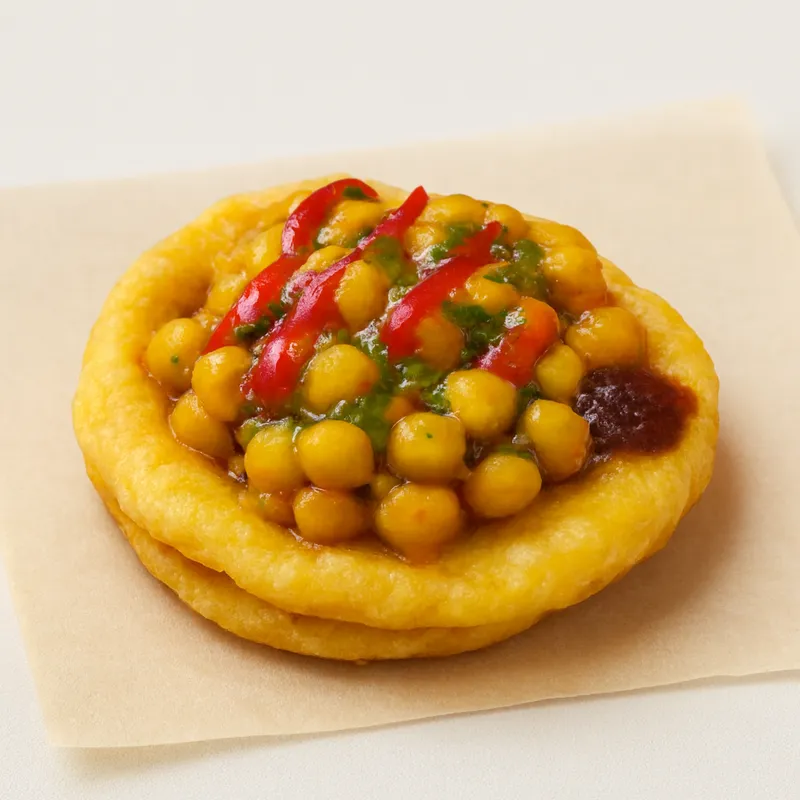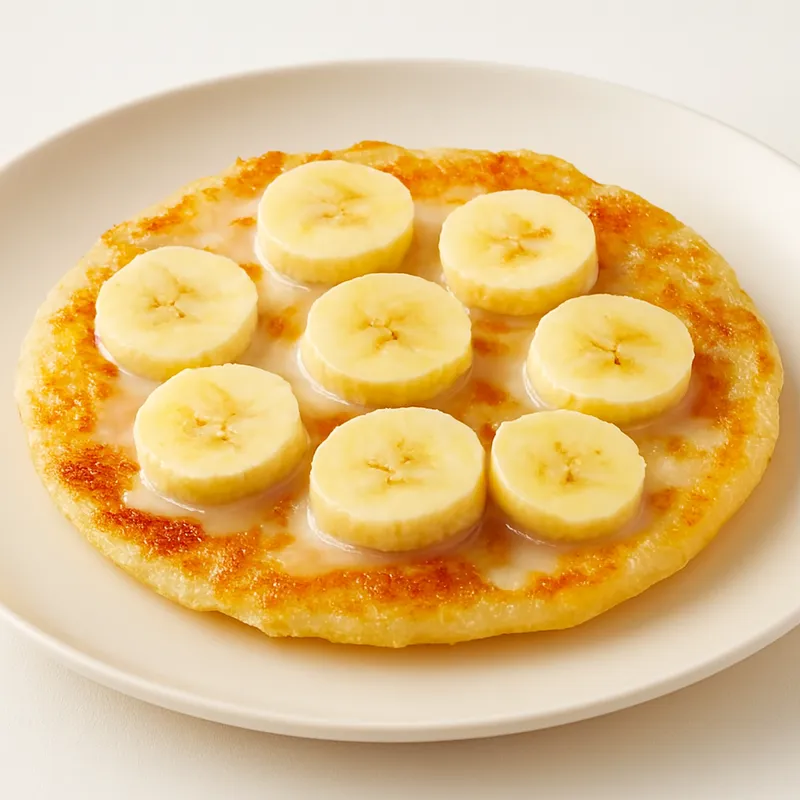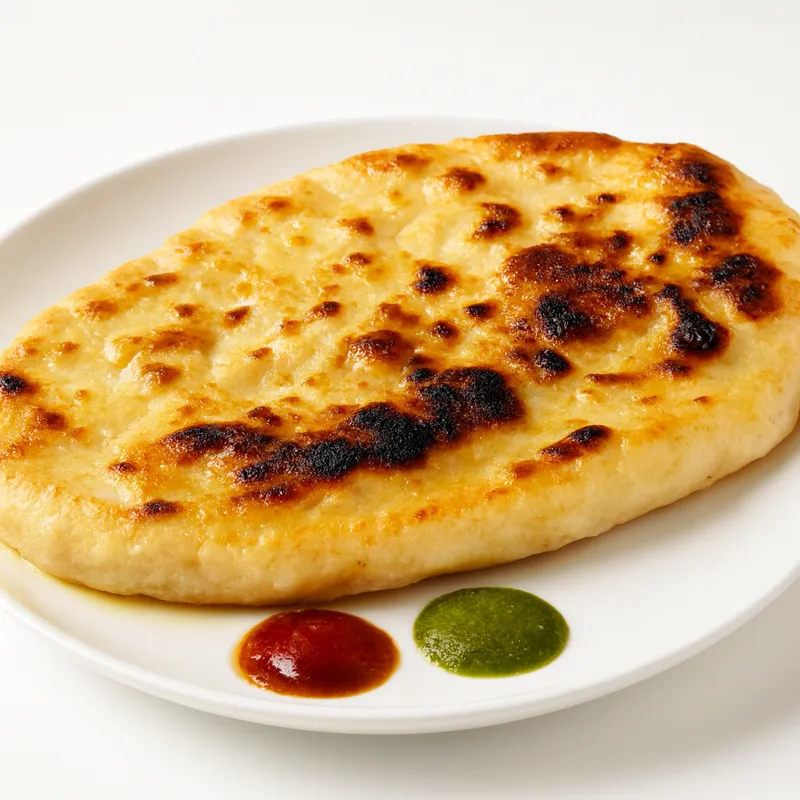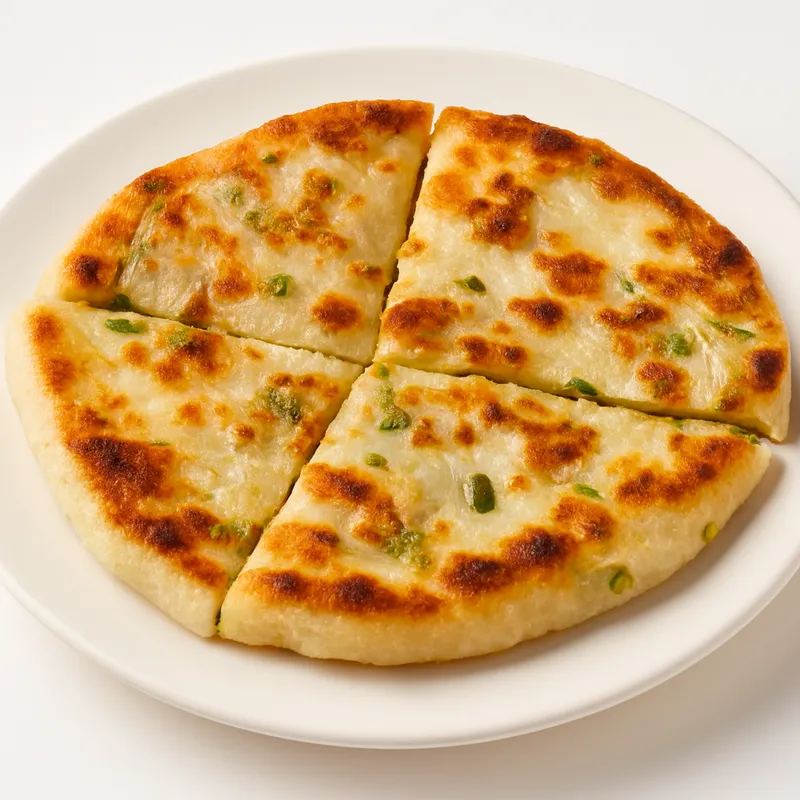


Brought to Malaya by Indian Muslim (mamak) immigrants during the colonial era, mostly laborers from South India (Tamil Nadu, then the Madras Presidency) recruited in the 19th and early 20th centuries; it is widely held to have been popularized first in Penang and Melaka. The technique descends from the paratha and roti family of South India and is closely related to the Kerala/Malabar parotta. Adapted in Malaysia with more fat (ghee or margarine) and a sweeter, slightly enriched dough. The name itself is debated: 'canai' most likely comes from the Malay verb meaning to roll/press dough thin; some trace it to 'channa' (the Tamil/Hindi chickpea or lentil curry it is served with), and a weaker theory points to the city of Chennai. The 24-hour mamak café culture, in which roti canai is the anchor dish, took shape in the 1970s–80s in urban Malaysia.
Brought by Indian Muslim mamak immigrants in the early 20th century; technique descends from Kerala parotta. The slap-stretch (tebar) develops gluten in two directions — that's how the layers crackle without French folding.
A flatbread the size of a dinner plate, paper-thin layers crackling on the outside, soft and slightly chewy inside. The cook stretches the dough by slapping and flipping it across an oiled counter until it's translucent, folds it in coils, and griddles it in ghee. Served torn into pieces with a small bowl of dhal, fish curry, or the trademark sambal ikan bilis (anchovy chili) for dipping. Breakfast, supper, 4 a.m. — never not available at a mamak.
The slap-stretch (called 'tebar' in Malay) develops gluten in two directions and creates the laminated layers without folding-and-rolling like a French croissant. The dough rests overnight with extra fat to relax the gluten, otherwise it tears mid-stretch. Watch the cook: if the dough doesn't go translucent before the fold, the layers won't crackle. That sound on the first bite is the diagnostic.
Variations
Roti telur (with egg cracked into the fold); roti bom (sweet, ghee-saturated, snail-coiled); roti tisu (paper-thin sugar-glazed cone); Indonesian roti cane runs thicker, Singapore mamaks lean crispier.
On the Palate
Where Roti Canai sits in the Malaysian flavor cloud
Stretch the rested dough until it goes paper-thin and translucent before you fold it — that sheer film is what layers up and crackles on the first bite; a thick stretch just steams into bread.
Ingredients

How it's made
5 steps · 40 min active + 30 min waiting
- 110 min
In a large bowl, combine the flour, ghee, egg, and sugar. Mix until a smooth dough forms, kneading gently with your hands. The dough should be soft and pliable, not sticky.
Watch outEnsure the dough is not over-kneaded; it should remain soft and pliable.
- 25 min
Divide the dough into small balls, about the size of a golf ball. Coat each ball lightly with ghee to prevent sticking, and let them rest under a damp cloth for at least 30 minutes.
Watch outEnsure the dough is well-rested; this helps in achieving a flaky texture when cooked.
- 310 min
On a lightly greased surface, flatten each ball by pressing it with your palm, then use your fingers to gently stretch and pull the dough into a thin, almost transparent sheet.
Watch outPull until the sheet is thin enough to see the greased surface through it — that translucency is the go-signal to fold.
- 45 min
Fold the stretched dough into a square or roll it into a coil, then flatten slightly. This layering technique creates the signature flaky texture.
Watch outFold or coil loosely, don't press flat — trapped air between the oiled layers is what makes it flaky.
- 510 min
Heat a non-stick pan over medium heat. Cook each roti for 2-3 minutes on each side until golden brown and crispy, with small bubbles forming on the surface. Serve hot.
Watch outSmall bubbles rising and a golden underside mean the layers have set and it's ready to flip.