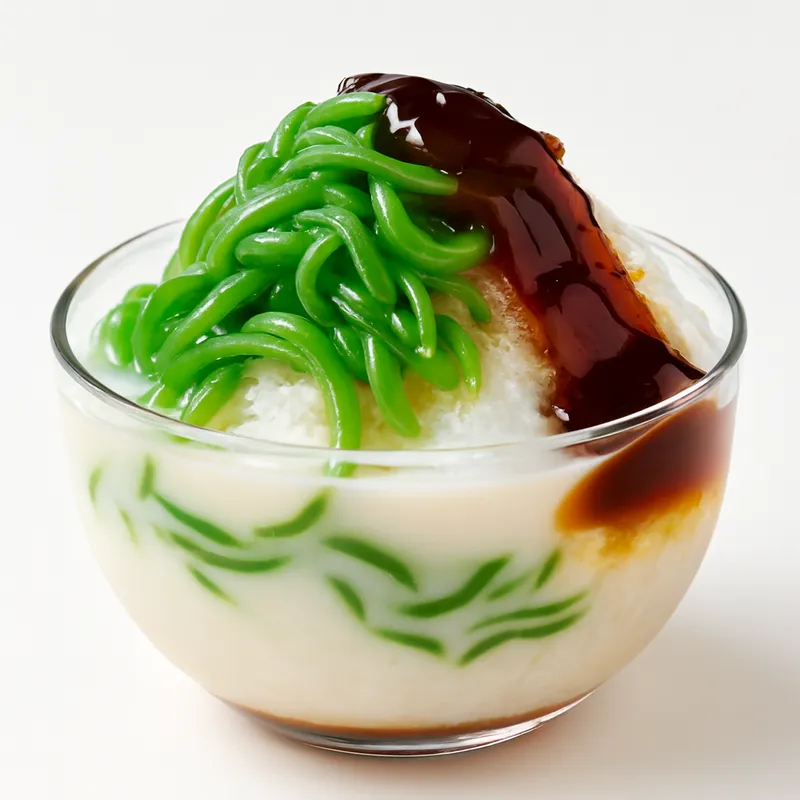
Malaysian iced dessert of green rice flour jelly, coconut milk, and palm sugar syrup over shaved ice.



Cendol's roots lie in Java. In Indonesia it has a near-identical older twin called dawet (Javanese). A twelfth-century Old Javanese kakawin, the Kresnayana (attributed to the Kediri Kingdom of East Java), is cited as indicating that a sweet rice-flour drink resembling cendol was already known; oral tradition in Ponorogo, East Java, pushes dawet back as far as the 10th century — but these earliest claims rest largely on later attribution and local legend and are hard to date with confidence. Firmer textual evidence is an 1866 Dutch-language cookbook from the Dutch East Indies that records a recipe for cendol/dawet. The name is generally traced to jendol, a word shared by Javanese, Indonesian and Sundanese meaning 'bump' or 'swollen,' after the rounded worm-like strands. The dessert spread through the Malay Archipelago via trade and migration; in the Malay Peninsula (Penang, Malacca) it standardized around locally produced gula melaka palm sugar, while Indonesia and Singapore developed their own versions. The origin is disputed: in 2018 CNN's '50 best desserts' list attributed cendol to Singapore (using the red-bean version), prompting an uproar from both Malaysians and Indonesians — underscoring that it is a shared, cross-border regional dessert rather than the property of any single nation or ethnicity. Both Malaysia and Indonesia claim it, and scholars reach no firm verdict on priority.
References to dawet (Java's name for it) appear in Old Javanese texts from the 12th-14th centuries — older than Malaysia and Indonesia as states. Gula melaka is what separates a real cendol from a sugar-syrup imitation: open-pot reduced coconut palm sap, smoky-caramel, not cane.
A glass or bowl: shaved ice on the bottom, green pandan-rice-flour worms (the 'cendol' itself) over it, coconut milk poured in, dark gula melaka (palm sugar) syrup drizzled last. You stir before drinking — the syrup pools at the bottom otherwise. The cendol bits are slippery, slightly chewy, faintly grassy from pandan; the gula melaka is smoky-caramel, almost burnt-sugar. Served street-side, eaten in five minutes before everything melts.
Gula melaka is what separates a real cendol from a sugar-syrup imitation. It's coconut palm sap boiled down to dark, smoky cakes — not date palm, not cane sugar. The smokiness comes from open-pot reduction; modern factory versions made in closed evaporators come out flat-sweet. The cendol noodles themselves are made by pressing rice-flour batter through a perforated mold over ice water, which sets them on contact. Pre-made packaged cendol skips this and tastes rubbery.
Variations
Cendol Pulut (Penang, with glutinous rice underneath); cendol durian (Malacca specialty, with durian flesh stirred in); es cendol (Indonesian, served slushier with shaved ice); cendol kacang merah (with red kidney beans, common in Singapore stalls).
On the Palate
Where Cendol sits in the Malaysian flavor cloud
Two things carry cendol: real gula melaka for the smoky, dark palm-sugar syrup, and pressing the hot rice-flour batter straight into ice water so the strands set firm instead of turning rubbery.
Ingredients



How it's made
5 steps · 17 min
- 15 min
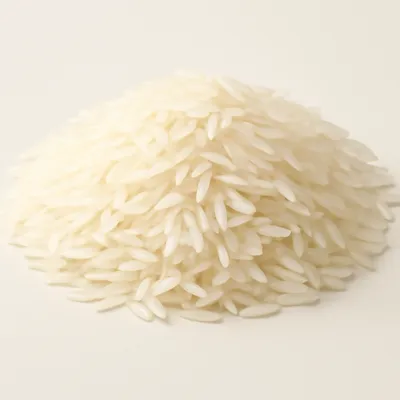
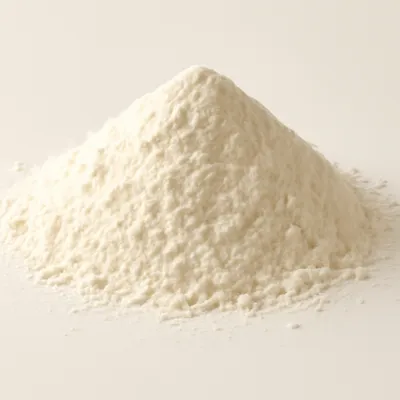
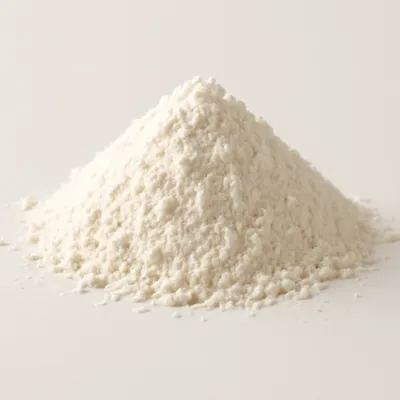
In a saucepan, combine rice flour with water and a pinch of salt. Stir over medium heat until the mixture thickens and turns translucent, about 5 minutes. The texture should be smooth and glossy.
Watch outThe batter is ready the instant it goes from milky to translucent and glossy — that's the cue it will hold a strand.
- 22 min
Pour the mixture through a cendol press or a colander with large holes into a bowl of ice water. The strands should be firm and hold their shape as they cool.
Watch outStrands should sink and stay firm in the ice water; if they melt or go limp, the batter was undercooked.
- 32 min
In a separate pot, gently heat the coconut milk with a pinch of salt until just warm, about 2 minutes. Do not let it boil to prevent curdling.
Watch outMonitor closely to avoid boiling, which can cause curdling.
- 45 min
In another saucepan, dissolve palm sugar in water over medium heat, stirring until syrupy, about 5 minutes. The syrup should be smooth and caramel-like.
Watch outCook the palm sugar just to a smooth, caramel-thick syrup that coats a spoon — don't take it dark and bitter.
- 53 min
To assemble, place a scoop of shaved ice in a bowl. Top with cendol strands, pour over coconut milk and drizzle with palm sugar syrup. The final dessert should be a harmonious blend of creamy, sweet, and icy textures.
Archive tool suggestions — not reviewed
These legacy suggestions have not been evidence-reviewed and are not presented as required tools.