Palm Sugar
Palm sugar offers a rich, caramel-like sweetness with subtle hints of butterscotch, providing a complex flavor profile. Its soft texture and dark amber hue elevate both sweet and savory dishes, making it a treasured ingredient in various cuisines.
Where it comes from
Derived from the sap of palm trees, palm sugar has been used in Southeast Asian cooking for centuries. It is often favored for its lower glycemic index and natural flavor compared to refined sugars.
In the kitchen
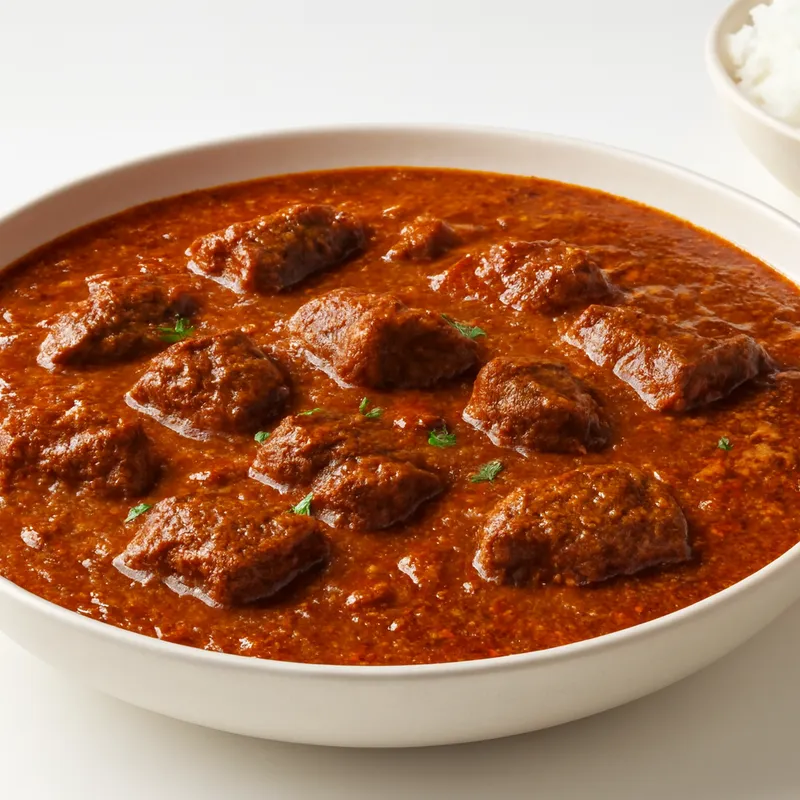
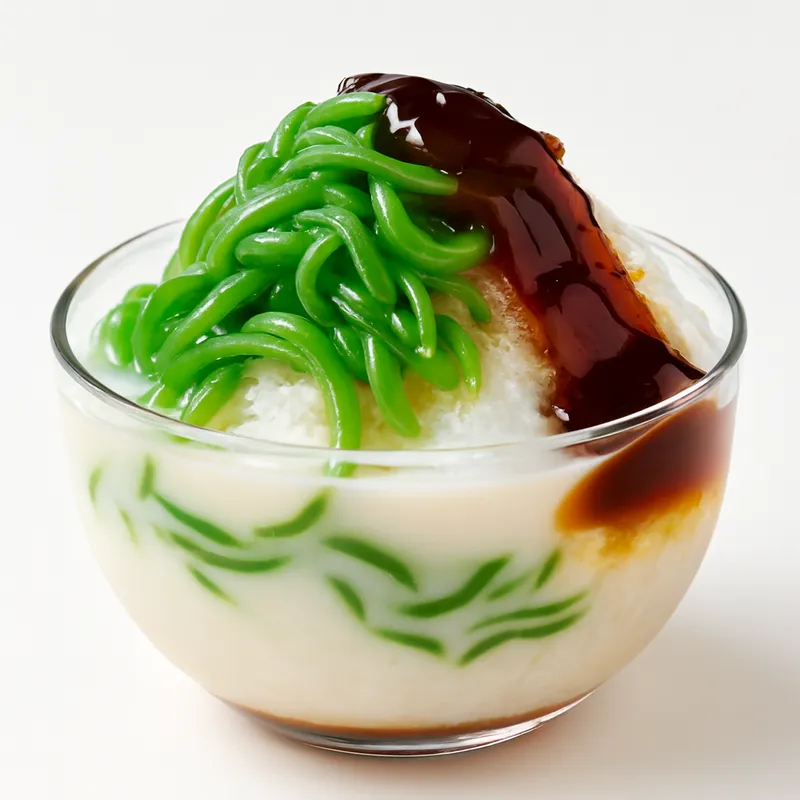
Palm sugar is commonly used to sweeten curries, desserts, and beverages, adding a depth of flavor that refined sugars cannot match. Its unique characteristics enhance the overall taste of dishes.
Across cuisines
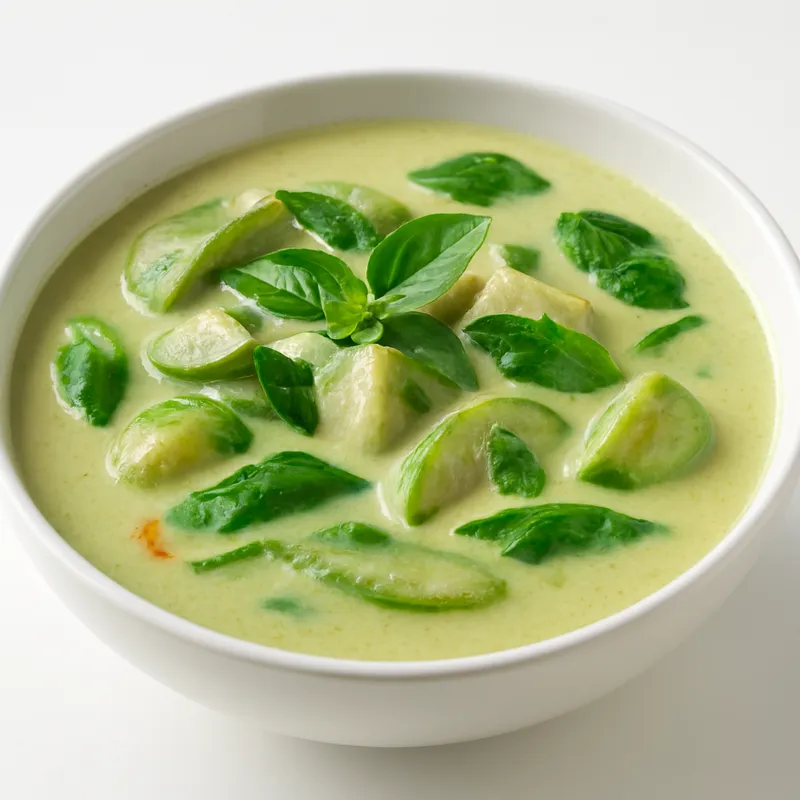
Palm sugar (nam tan pip / nam tan maprao) is the default sweetener in Thai cooking, preferred over white sugar for its caramel depth. Gaeng keow wan (green curry) includes a small amount to round the coconut milk. Pad Thai's sauce requires it for the caramel color and butterscotch note that white sugar cannot replicate. Choo chee pla reduces it with coconut cream to a thick, slightly burnt-sweet coating.
Gula jawa (Javanese palm sugar, pressed into cylindrical blocks) is the backbone sweetener in gado-gado peanut sauce and kecap manis (sweet soy sauce), where it is cooked with soy until syrupy. Balinese sate lilit and rendang spice pastes often include a small amount. Bandrek (Sundanese ginger drink) and wedang jahe use gula jawa as the only sweetener.
Cambodian palm sugar (skor thnut) is used in saraman curry to balance the sour tamarind notes, in nom banh chok sauce for mild sweetness, and in prahok ktis (fermented fish dip) where a touch of palm sugar offsets the intense funk. Sangkhya lapov (pumpkin custard) uses it as the primary sweetener in the steamed egg-coconut filling.
Notable varieties
Made from arenga palm or coconut palm sap, pressed into dark brown cylinders. Strong caramel and treacle notes. Darker and more intense than Thai palm sugar discs.
From the nipah or coconut palm. Semi-liquid to solid; deep amber with a distinct coconut-caramel aroma. Used almost exclusively in Peranakan and Malay desserts and drinks.
Nutrition (per 100g)
AI-estimated; model and run unavailable.