

Indonesian
Coconut, galangal, and a thousand islands of variation.
Sambal
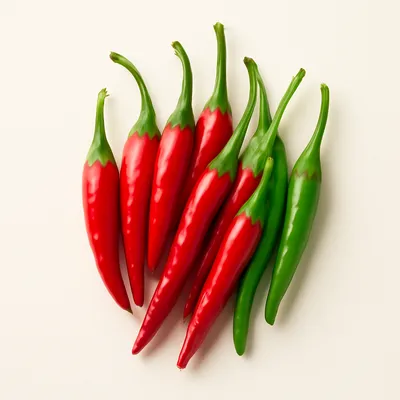
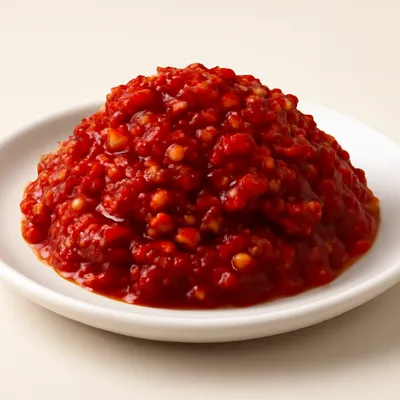
Sambal, a spicy chili paste, is a staple condiment in Indonesian cuisine, used to enhance the heat and depth of dishes.
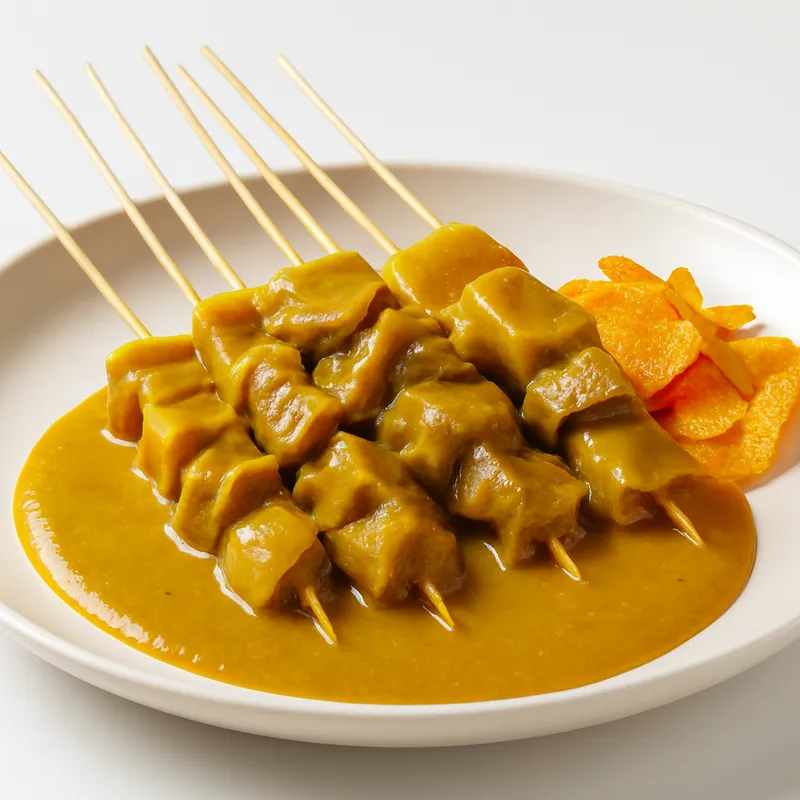
View page →Indonesian food is layered with spice paste and runs from gentle and sweet to seriously hot, anchored by rice and a sambal chili relish at almost every meal. The signature dish is rendang, beef simmered for hours in coconut milk and a paste of chili, galangal, lemongrass, and turmeric until the liquid cooks away and the meat turns dark and tender — a Minangkabau dish from West Sumatra. Nasi goreng, fried rice glossed with sweet soy sauce called kecap manis, and satay, grilled skewers with peanut sauce, are everyday staples, and gado-gado is a salad of blanched vegetables, tofu, and egg under more peanut sauce. In Padang restaurants the whole menu is brought to the table at once and you pay only for what you eat. Around the meal sit krupuk crackers, fried shallots, and tempeh, the nutty fermented soybean cake that is Indonesia's own invention.
The Palate
What makes it taste like itself
Start Here
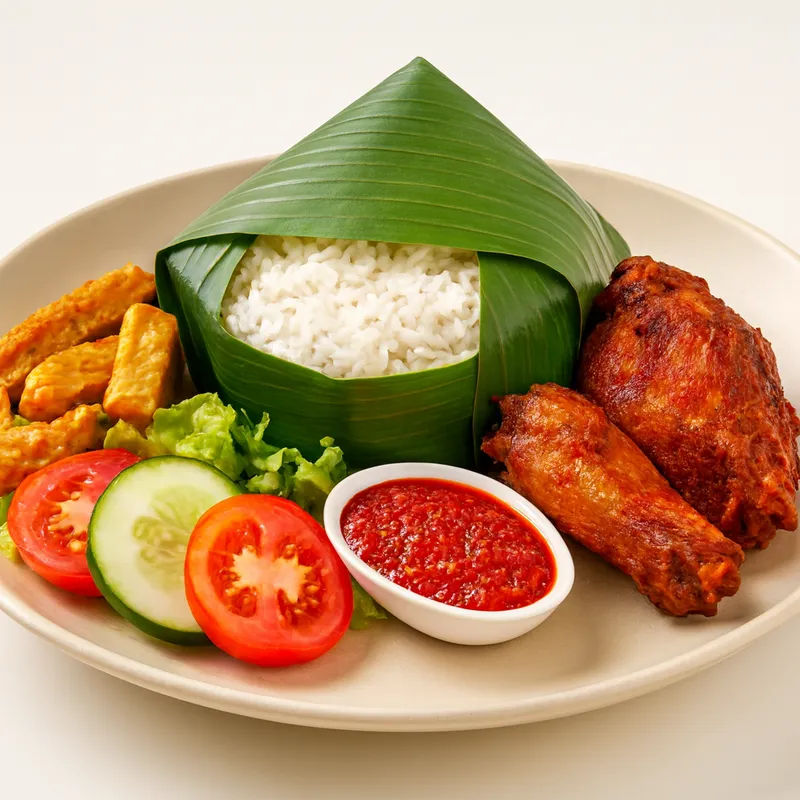
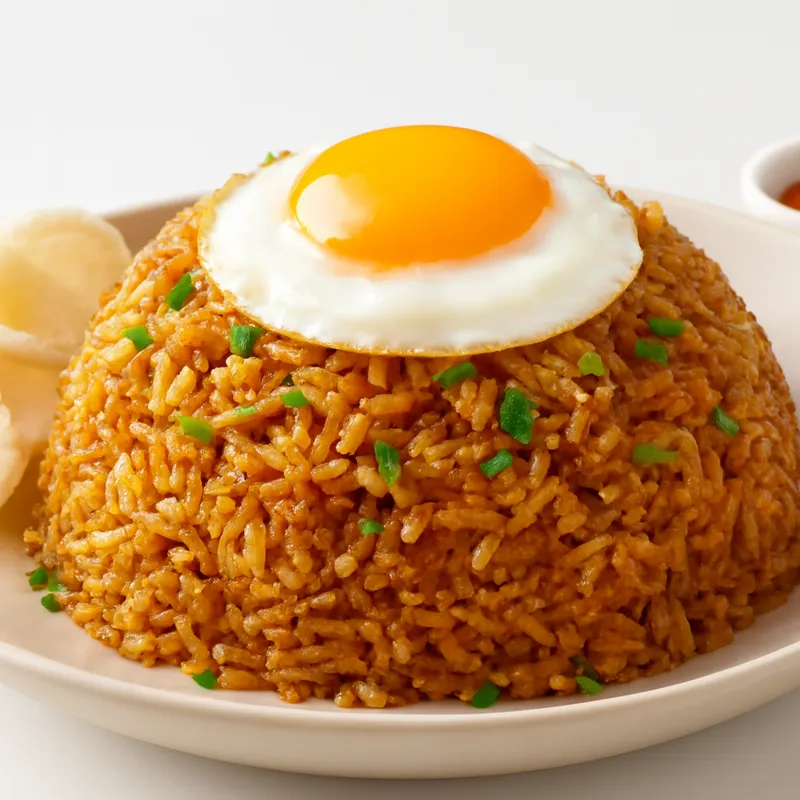
Nasi Goreng is the quintessential Indonesian street food, pairing the smokiness of stir-fried rice with the sweetness of kecap manis and the kick of chili. It shows the simplicity and depth of flavor that defines the cuisine.
Why start here · Start here for a taste of Indonesia's beloved comfort food.
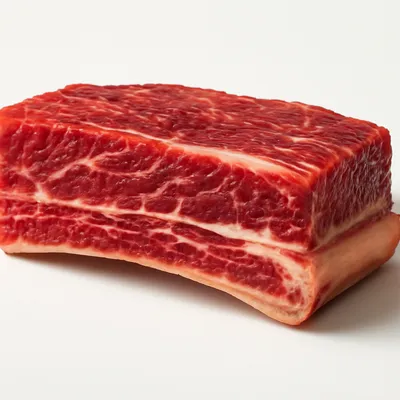
Rendang is a slow-cooked masterpiece of tender beef enveloped in a complex blend of spices, coconut milk, and patience. It's a dish that showcases the intricate art of balance in Indonesian cooking.
Why start here · Begin here to understand the depth and dedication inherent in Indonesian culinary traditions.
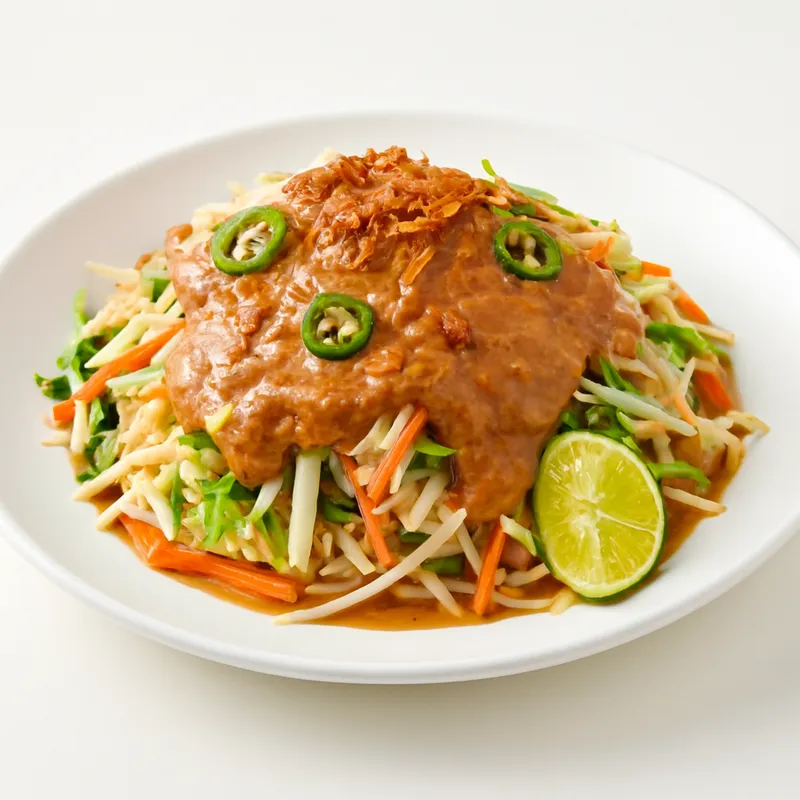
Gado-Gado is Indonesia's salad — blanched vegetables, tofu, and eggs, all tied together with a rich peanut sauce. It shows how the cuisine turns simple ingredients into one cohesive dish.
Why start here · Sample this dish to experience the harmony and freshness that define Indonesian salads.
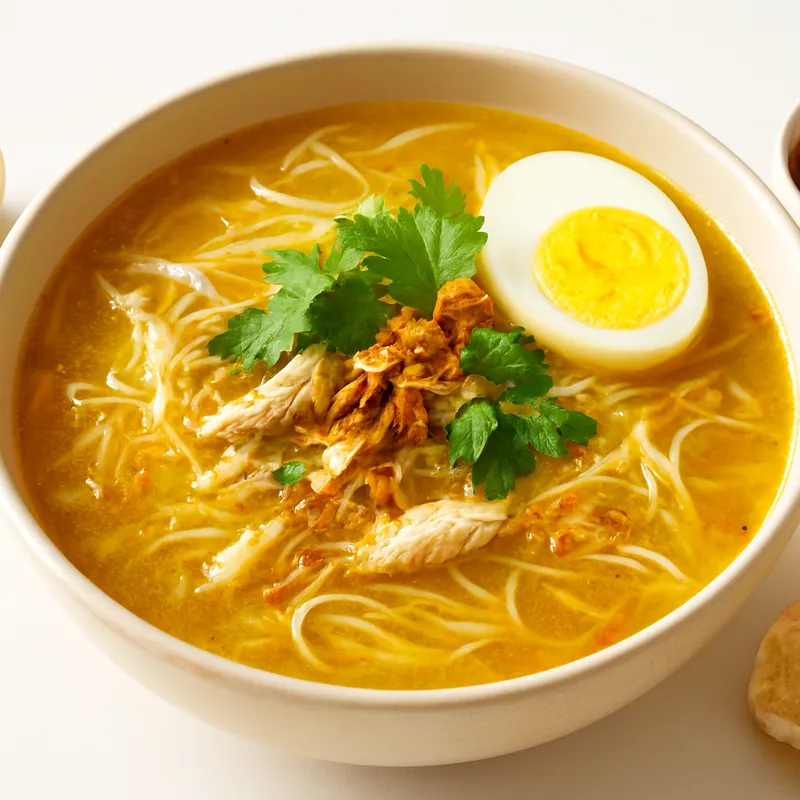
Soto is a fragrant soup, its broth enriched with lemongrass and turmeric. It's one of the cuisine's everyday restorative bowls.
Why start here · Start with Soto to experience the warmth and richness of Indonesian soups.
Cook First
The easiest way in


The Pantry



See all 232 ingredients›
Proteins







Vegetables












Herbs & Spices






Grains & Staples


Dairy & Fats








Sauces & Condiments





Other

Regional Kitchens
Four regional kitchens across the archipelago — Javanese, Sundanese, Padang, Balinese. Tap a region to see its table.
The dominant plate — gudeg, soto, bakso, nasi goreng. Sweet-leaning palace tradition (kraton Yogyakarta), pan-Indonesian street staples.
Fresh raw vegetables (lalapan), karedok, sambal-heavy — the Bandung kitchen. Less sweet than Javanese, more herbaceous and bright.
Minangkabau coconut-and-chili tradition — rendang, nasi padang's parade of small dishes, gulai. Among the world's spiciest cuisines.
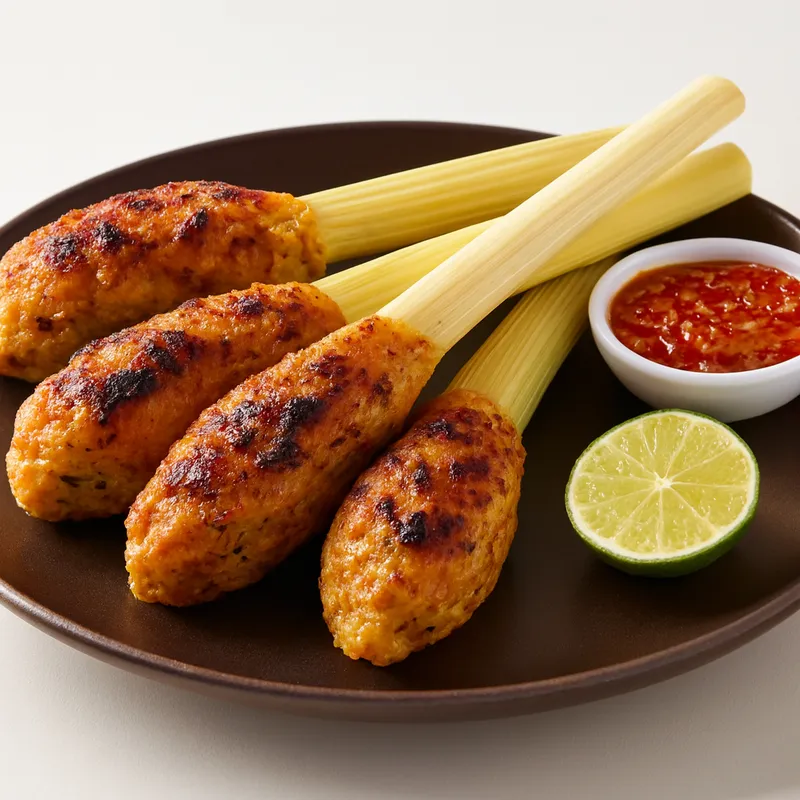
Distinct Hindu island — babi guling (suckling pig), bebek betutu, lawar, sate lilit. Built on base genep spice paste; ceremonial cooking is daily life here.
Jakarta-Betawi cuisine reflects the cosmopolitan capital region: Soto Betawi (creamy beef soup), Kerak Telor (Jakarta omelet), Asinan Betawi (pickled-vegetable salad), Gado-Gado (mixed salad with peanut sauce). The cuisine has Malay-Chinese-Arab-European fusion from Jakarta's 400-year port history.
Manado / Minahasan cuisine of North Sulawesi is Indonesia's spiciest regional cuisine — Ayam Rica-Rica (spicy chicken), Tinutuan/Bubur Manado (vegetable porridge), Cakalang Fufu (smoked tuna), Dabu-Dabu (raw chili sambal). Heavy use of bird's eye chilies, kemangi (lemon basil), and Pacific seafood.
South Sumatra's fish-paste kitchen, built along the Musi River. Springy pempek and its cousins — tekwan, model, laksan — dipped in a dark, fierce sweet-sour cuko, alongside tamarind-soured pindang fish soups and the coconut-rich mie celor.
The curry-forward, Indian- and Arab-inflected cooking of Sumatra's northern tip — fragrant mie aceh, fried-curry-leaf ayam tangkap, vinegar-stewed sie reuboh, and vegetable curries built on fermented pliek u. Spice-trade history in every pot.
The beef-and-broth cooking of the Bugis-Makassar coast — coto, konro and pallubasa, dark with keluak or rich with toasted coconut, ladled over ketupat. Sour pallumara fish soups, charred konro ribs, and the green-banana sweet es pisang ijo off Losari beach.
The Banjarese kitchen of South Kalimantan, river-fed and spice-trade-scented — clove-and-cinnamon soto banjar, smoked-snakehead ketupat kandangan, and the sweet dried-chili masak habang that glazes its fish and fowl.
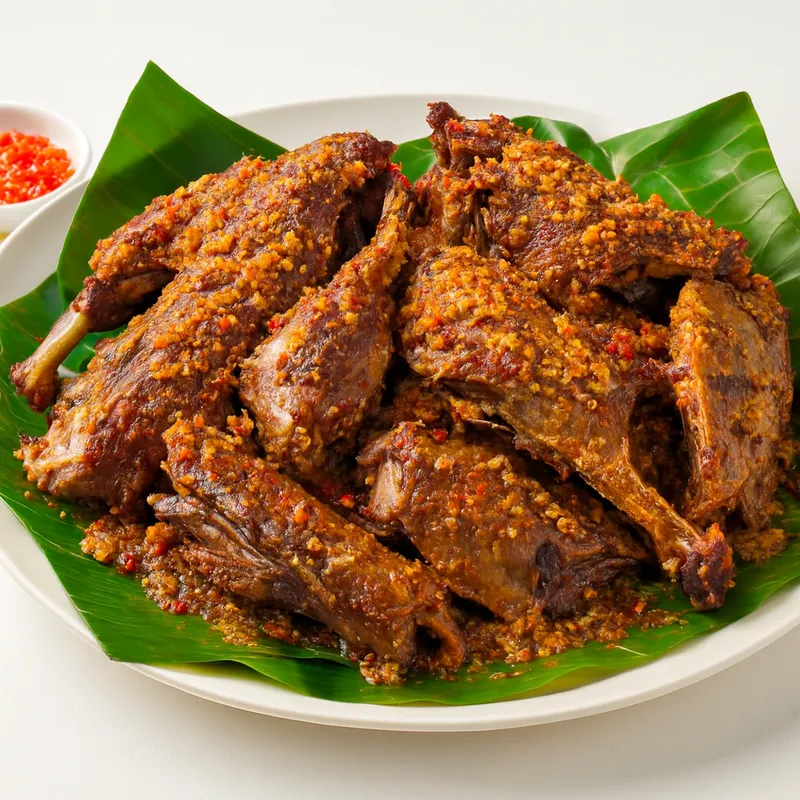
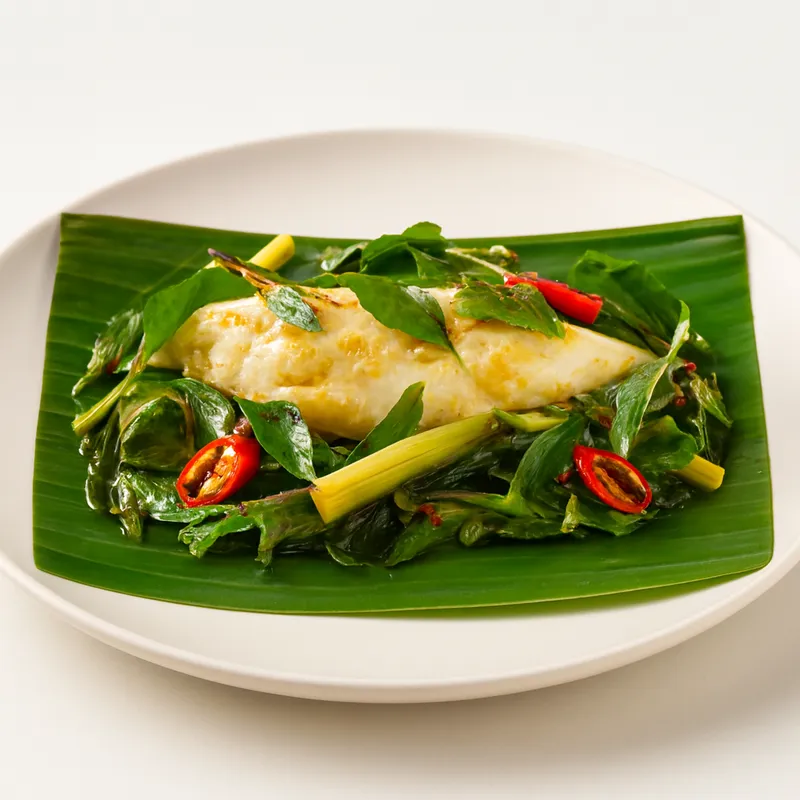
The island that gave Indonesia its satay — Madurese cooking runs on sweet-soy sate madura, clear beefy soto madura, and frugal, intense uses of every part of the animal, from trotter broth to banana-leaf-steamed duck.
How They Cook
Techniques that define this cuisine
Blanching
Indonesian cuisine uses blanching to preserve the vibrant colors and natural crunch of vegetables, as seen in dishes like gado-gado.
Stir Frying
Stir frying in Indonesian cuisine often employs high heat and quick movements to lock in flavors, especially in fried rice dishes.
See 18 more techniques›
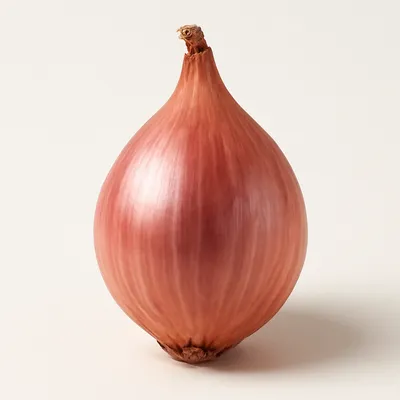
Sauteing in Indonesian cuisine often involves aromatic bases like shallots and garlic, starting the flavor journey for many beloved dishes.
Simmering is crucial in Indonesian cooking for developing the nuanced layers of flavor in complex dishes like laksa.
Boiling brings out the rich flavors of spices in Indonesian soups such as soto, where the ingredients meld into a fragrant broth.
In Indonesian cooking, braising is essential for creating tender, deeply flavored dishes like rendang, where meat is slowly cooked in a spice-laden coconut sauce.
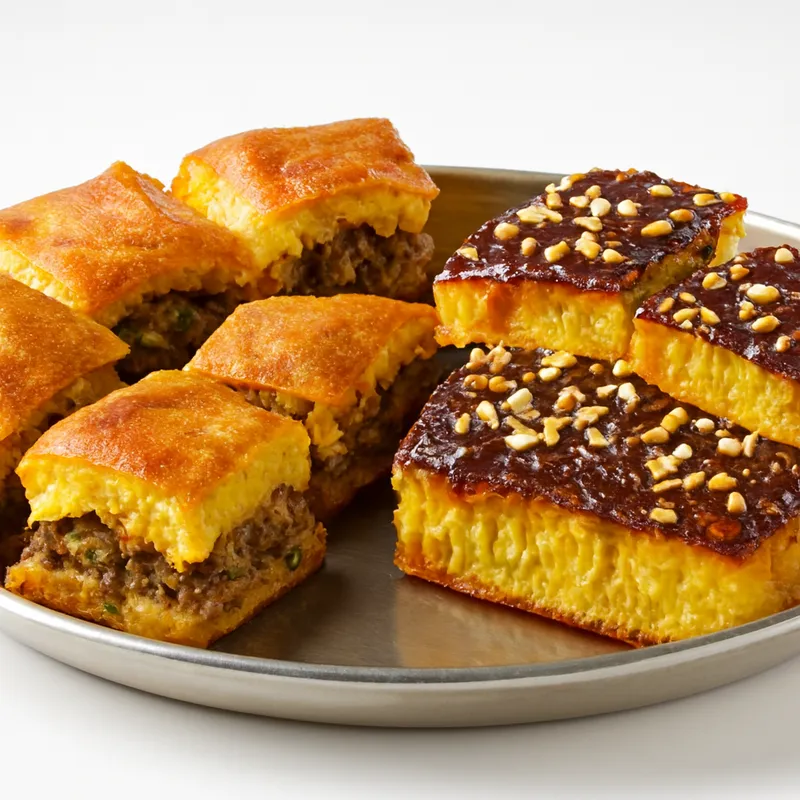
Kneading is a pivotal step in Indonesian pastry making, such as in martabak, where the dough is developed to achieve the perfect texture.
Kindred Kitchens
Cuisines built on the same signature ingredients
Signature Dishes (189)
Browse all 189 dishes›
Drinks
9


Starters
7


Soups
23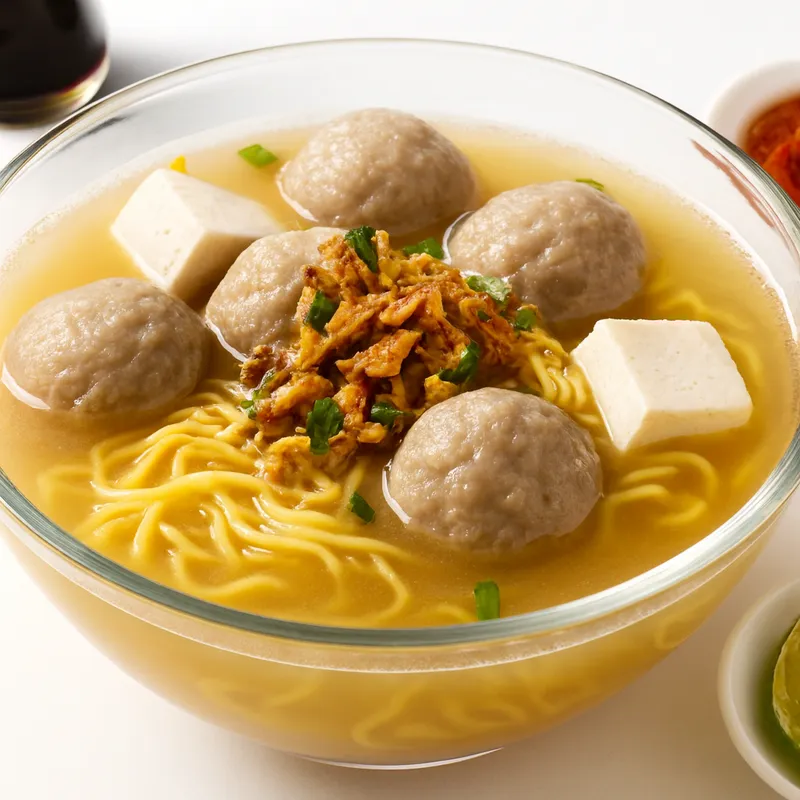
Mains
90