The silent backbone of a thousand culinary creations.
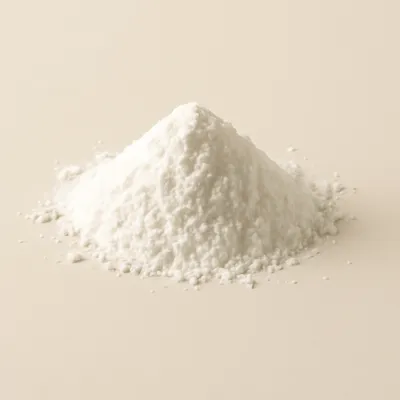
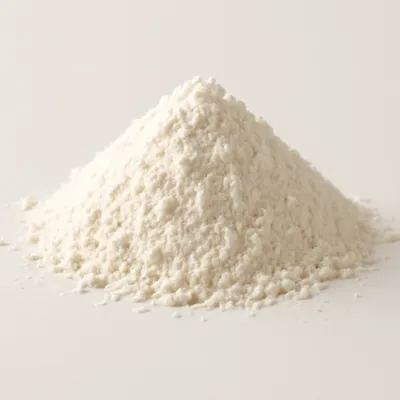
Fine and versatile, flour serves as the backbone of countless culinary creations, from baked goods to sauces. Its powdery texture transforms into a silky dough or batter, offering endless possibilities in the kitchen.
Where it comes from
Flour production dates back thousands of years, with civilizations across the globe, from ancient Egypt to modern bakeries, relying on this fundamental ingredient for sustenance and culinary artistry.
In the kitchen
Flour is essential for thickening, binding, and structure, forming the base for breads, pastries, and pastas, contributing to the overall texture and mouthfeel of a dish.
Across cuisines
Flour — fried into the bokit sandwich bread, the dombrés dumplings, and the tourment d'amour tart. Source: Wikipedia (Bokit).
Flour — the egg-dough for käsknöpfle dumplings, hafalaab, and apfelküchle batter. Source: Wikipedia (Liechtenstein cuisine).
Wheat flour — unusually for Central America, the Honduran baleada uses a soft wheat-flour tortilla, not corn. Source: Wikipedia (Baleada).
Nutrition (per 100g)
AI-estimated; model and run unavailable.
Pairs well with