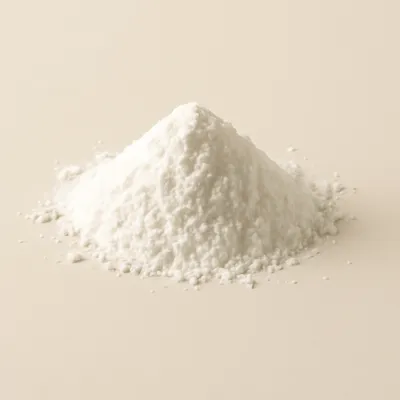
Fine and powdery, baking powder is a leavening agent that releases carbon dioxide when moistened and heated, creating airy, fluffy textures in baked goods. Its subtle flavor is an unsung hero in the kitchen.
Where it comes from
Developed in the 19th century as a revolutionary alternative to yeast, baking powder has become a fundamental ingredient in American baking, enabling home cooks to create light and tender cakes.
In the kitchen
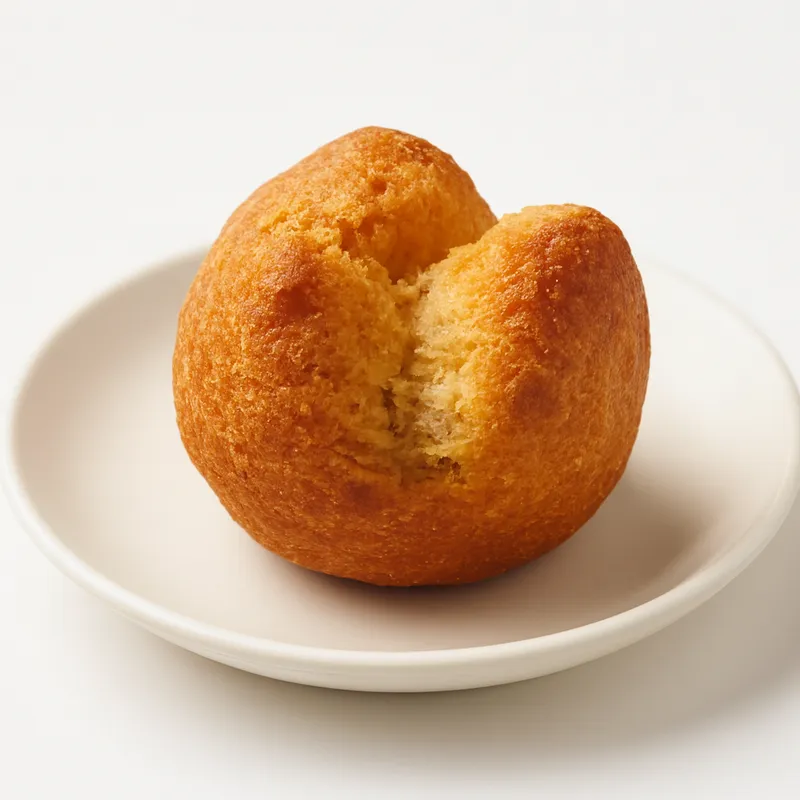
Crucial for ensuring rise in cakes, muffins, and biscuits, baking powder works to create a light texture, making it indispensable in countless recipes.
Nutrition (per 100g)
80kcalCal
0.0gProtein
0.0gFat
53.0gCarbs
0.0gFiber
Values are AI-estimated, not from a laboratory database
Pairs well with

Flour
Combine with flour for even distribution. Sift together to prevent clumps, ensuring a consistent rise and tender crumb.
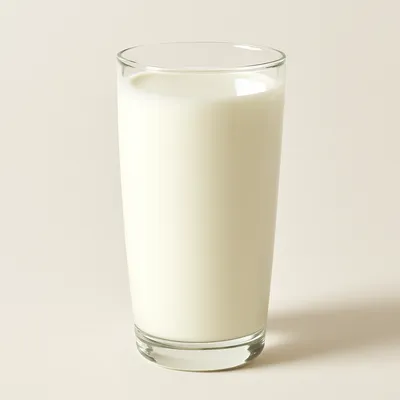
Milk
Mix with milk to activate the rise. The liquid dissolves the powder, starting the leavening process for fluffy results.

Sugar
Sugar helps balance the rise by tenderizing. Cream with butter first, then add to dry mix for even texture.