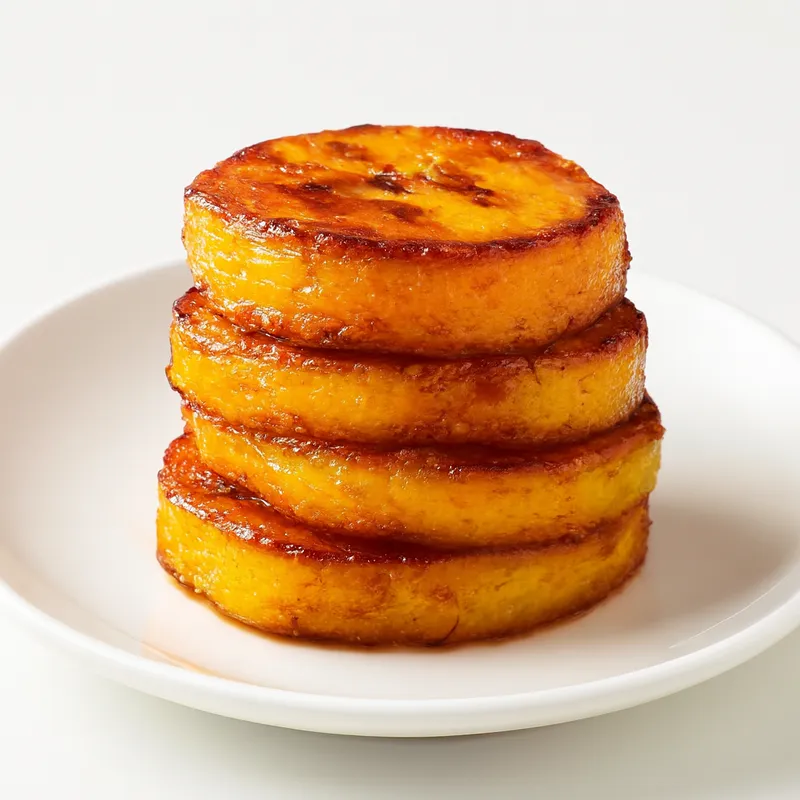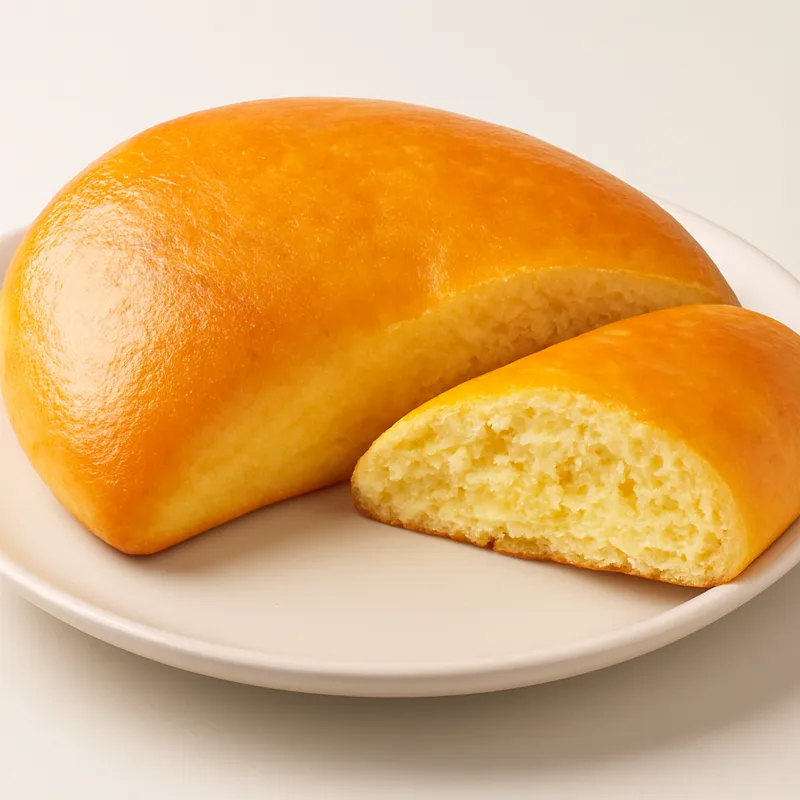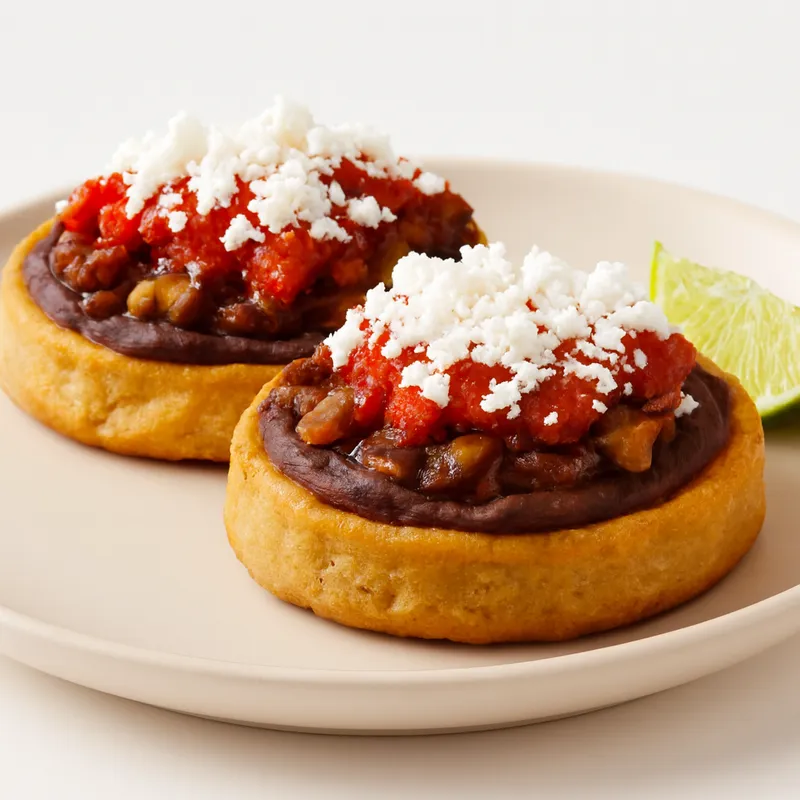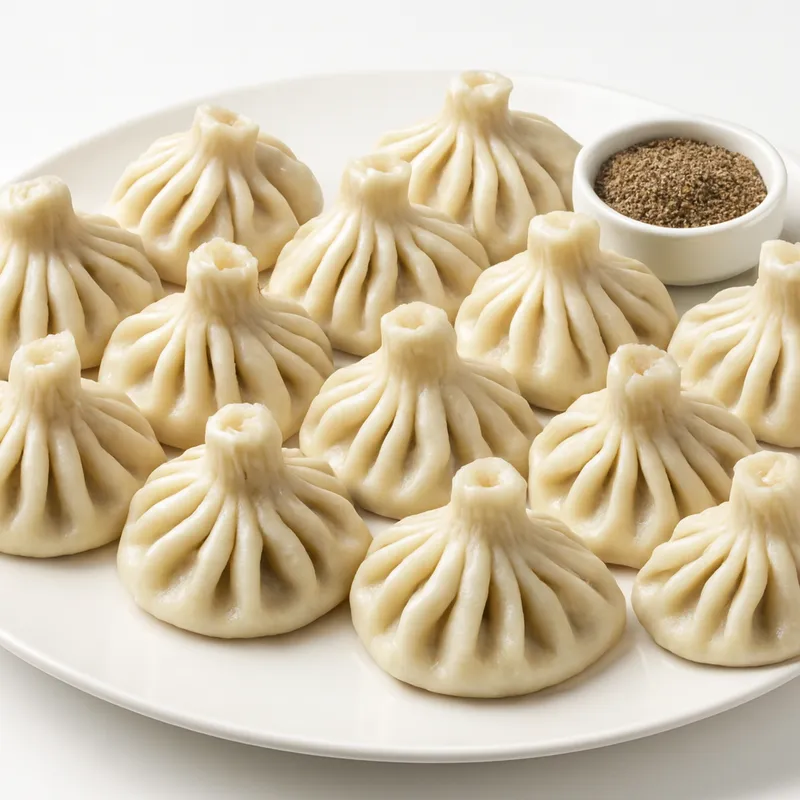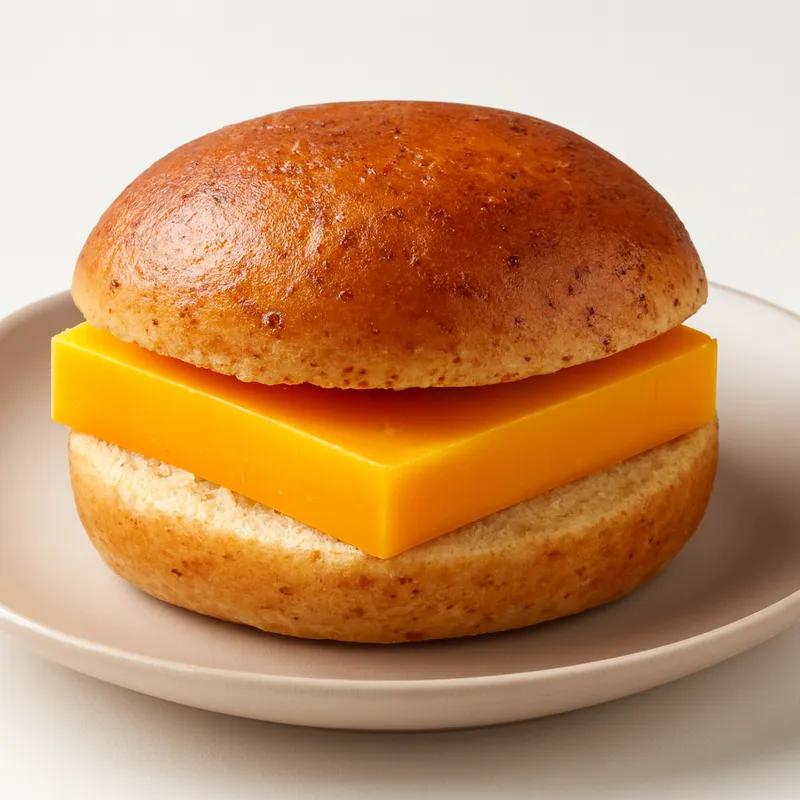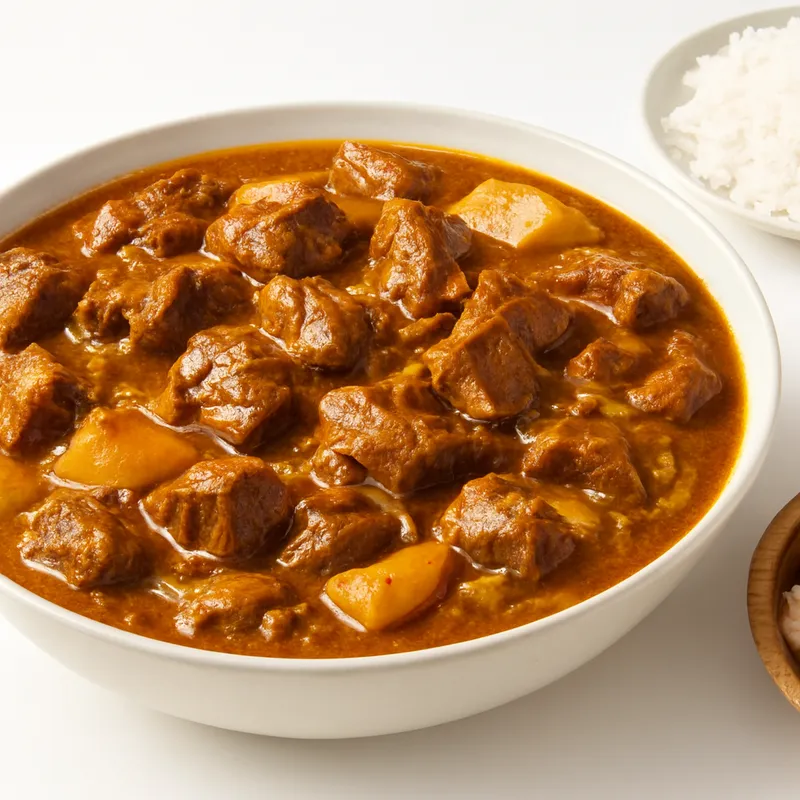

A 20th-century Jamaican beach-shack staple, evolved from earlier johnny cakes (cornmeal flatbreads) that traveled the Caribbean from the 17th century onward. The cylindrical sweetened form took shape later, popularized in the 1970s around the fried-fish and seafood shacks of Hellshire Beach in St. Catherine, where it first served as a side to fried fish before becoming the standard partner to jerk. The name's best-attested origin, per food historian B.W. Higman, is the Jamaica Festival of Arts and Culture held during the country's independence-era celebrations; folk accounts add that eating it simply felt festive.
20th-century Boston Bay invention — Portland jerk pitmasters needed a starch that ate well by hand and balanced the rub. Cornmeal does the sandy chew; oil sits at 170–175°C. Flat festival means overworked dough or cool oil.
A finger-shaped fried dough, golden outside, almost cake-tender inside, lightly sweet from cornmeal and sugar. Eaten hot beside jerk chicken or fried fish — the sweetness cuts the chili and salt. Bite while it's still steaming or the texture goes leaden. The good ones puff slightly; flat festival means the dough was overworked or the oil too cool.
Cornmeal is the structure: it gives the bite that sandy-tender chew flour alone can't. Ratio matters — too much flour and it turns into a doughnut, too much cornmeal and it crumbles. Oil should sit at 170–175°C; hotter and the outside seals before the inside cooks, which is why amateur festival is raw in the middle.
Variations
Boston Bay (Portland) festival is the canonical jerk-side; Negril versions run sweeter; Bahamian johnny cakes are the unfried baked cousin; Bajan cou-cou is the same cornmeal pushed wet into a polenta-like side.
On the Palate
Where Festival sits in the Jamaican flavor cloud
Hold the oil at 170–175°C and don't run it hotter, because too-hot oil seals the crust before the dense cornmeal dough cooks through, leaving the classic raw-in-the-middle festival.
Ingredients


How it's made
6 steps · 37 min
- 15 min
In a large mixing bowl, combine the flour, cornmeal, sugar, baking powder, and yeast. Use your hands to blend the dry ingredients thoroughly, feeling for any lumps to break them up.
- 25 min
Gradually add milk to the dry mixture, stirring continuously with a wooden spoon until the dough starts to come together. The dough should be soft but not sticky, pulling away cleanly from the sides of the bowl.
Watch outStop adding milk when the dough just comes together soft but pulls cleanly off the bowl, not sticky.
- 38 min
Turn the dough onto a lightly floured surface and knead it gently for about 8 minutes. The dough should become smooth and elastic under your hands.
- 45 min
Divide the dough into small, equal portions, rolling each into a log shape about the size of your palm. Ensure they are uniform for even cooking.
- 512 min
In a deep pan, heat oil over medium heat until it reaches 350°F (175°C). Carefully place the dough logs into the hot oil. Fry them until they are golden brown and crisp on the outside, about 6 minutes per batch, turning halfway through.
Watch outThe logs should sizzle steadily and turn deep golden in about 6 minutes; turn them halfway so both sides colour evenly.
- 62 min
Remove the fried festival from the oil and drain them on paper towels. Serve hot as a delightful accompaniment to your meal.
Archive tool suggestions — not reviewed
These legacy suggestions have not been evidence-reviewed and are not presented as required tools.