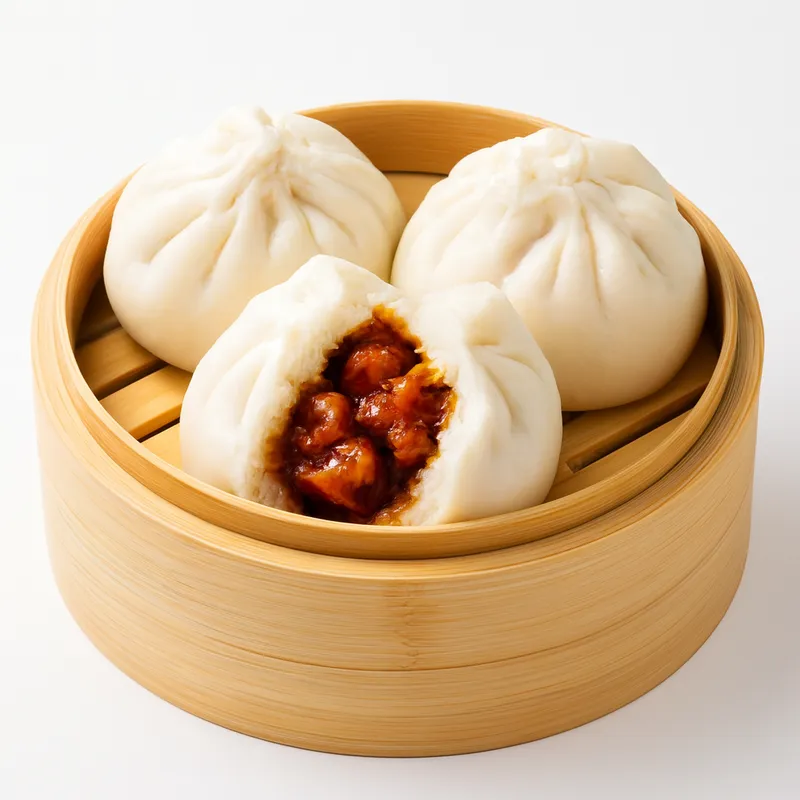
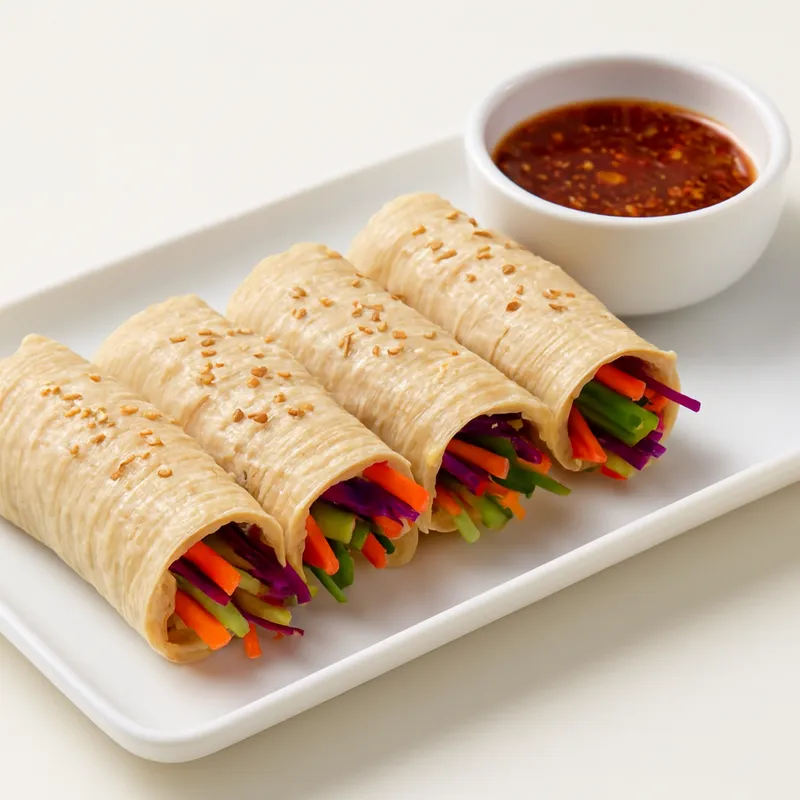
Korean sweet pancakes filled with a gooey mixture of brown sugar, cinnamon, and chopped nuts, fried until crispy.

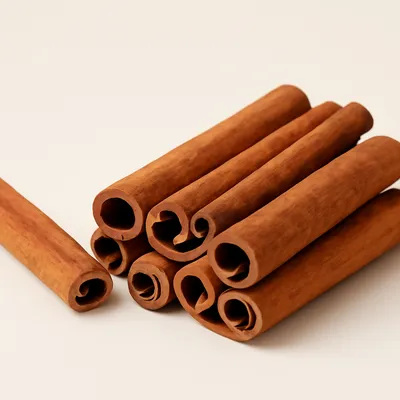




Brought to Korea in the late 19th century by Chinese merchants — the name and the technique trace to Shandong-style filled flatbreads. The Korean adaptation swapped savory fillings for brown sugar and cinnamon, calibrated to Korean winter street-cart eating. Documented as a Seoul street food by the 1920s. Modern variants include green tea dough, ssiat-hotteok stuffed with seeds (a Busan specialty), and pizza-style savory versions.
Yeasted pancake stuffed with brown sugar, cinnamon, and crushed peanuts, pressed flat in a hot oiled pan. Brought south by Chinese merchants in the late 1800s; now Busan's BIFF Square winter street food.
A yeasted dough ball flattened on a hot griddle, pressed thin with a metal disc, fried in oil until the bottom blisters. Inside: dark brown sugar, cinnamon, crushed peanuts or sunflower seeds, melted to syrup. Bite carefully — the filling is molten and will burn the roof of the mouth. Sold from street carts in winter, eaten standing in the cold from a paper cup.
The dough is yeasted with a high water ratio — wetter than dumpling dough, shy of pancake batter — which is why hotteok cooks puff and stay chewy rather than turning biscuit-hard. Brown sugar, not white, is structural: it melts to a thinner syrup at lower temperature and carries the cinnamon. Press thin only after dropping into oil; pressing dry leaks the sugar before it can cook.
Variations
Classic brown-sugar-peanut; ssiat-hotteok (Busan specialty, slit open and stuffed with sunflower-pumpkin-peanut seeds); green-tea hotteok (Jeju); savory japchae-hotteok with stir-fried glass noodles inside.
On the Palate
Where Hotteok sits in the Korean flavor cloud
Press the dough thin only after it hits the hot oiled griddle, never before — flatten it dry and the molten brown-sugar filling leaks out and burns before the pancake can cook.
Ingredients



How it's made
4 steps · 45 min active + 2 hours waiting
- 110 min
In a large bowl, mix wheat flour, water, milk, sugar, and yeast to form a stiff dough. Allow it to rise for several hours until doubled in size.
Watch outThe dough's proofed when it's doubled and springs back slowly from a poke — sticky and slack, not smooth and firm like bread dough.
- 215 min
Divide the risen dough into small balls, about the size of your palm. Fill each with a mixture of brown sugar, honey, chopped peanuts, and cinnamon, then seal tightly.
Watch outPinch the seam shut tight and pleat it fully — any gap and the melting sugar finds it the second the ball hits the oil.
- 310 min
Heat a greased griddle over medium heat. Place the filled dough balls on the griddle and press them flat with a stainless steel circle and wooden handle, forming large circles.
Watch outPress gently and evenly to avoid tearing the dough, which can cause the filling to leak.
- 410 min
Cook each side until golden brown and the filling is melted, about 2-3 minutes per side. The hotteok should be crispy on the outside and gooey inside.
Watch outFry until each side is deep golden and you can see the sugar bubbling at the edges — crisp shell, gooey molten center is the target.
Archive tool suggestions — not reviewed
These legacy suggestions have not been evidence-reviewed and are not presented as required tools.