
Seoul Korean
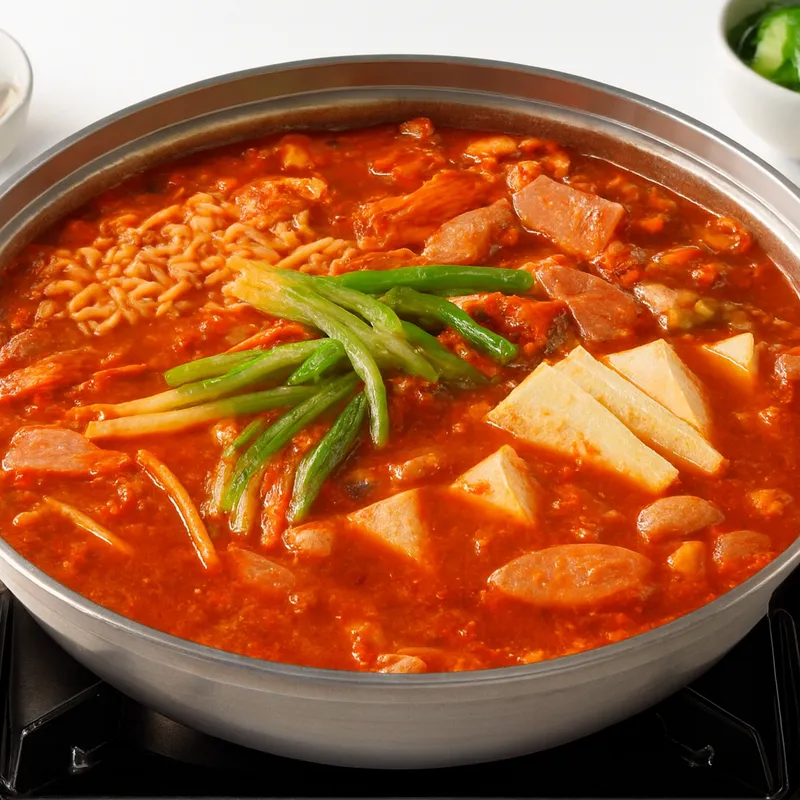
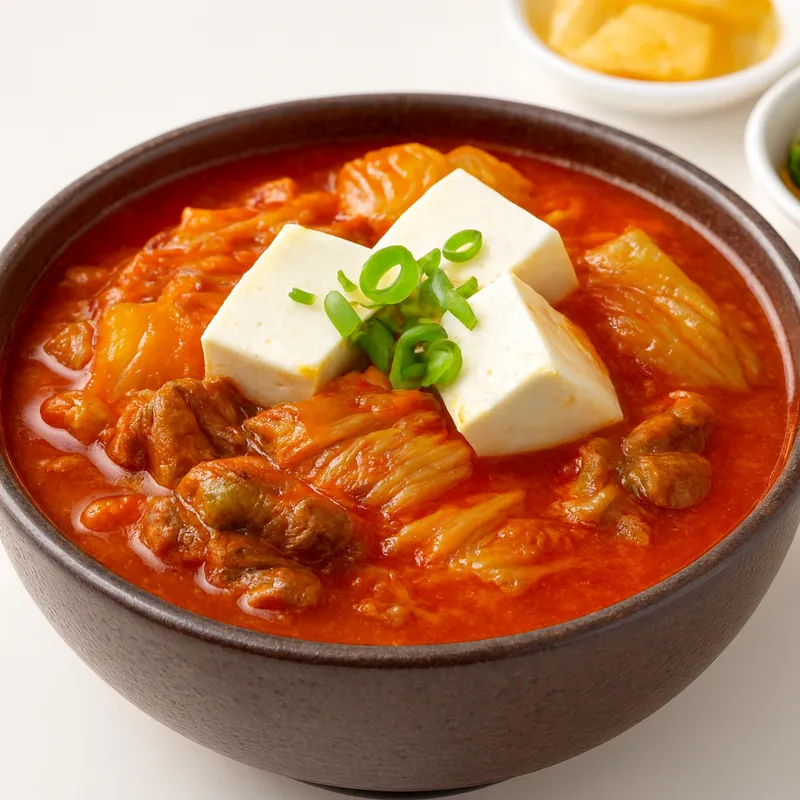
Budae Jjigae: spicy stew, hearty mix.
Royal Cuisine
The refined culinary practices of Joseon dynasty's royal court, blending with modern Seoul's vibrant street food culture.
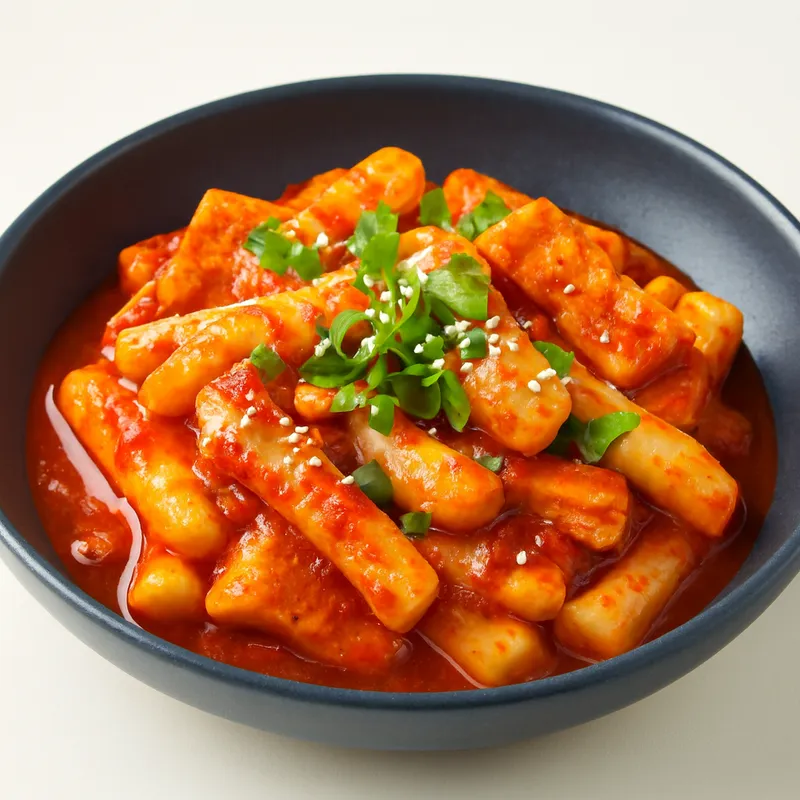
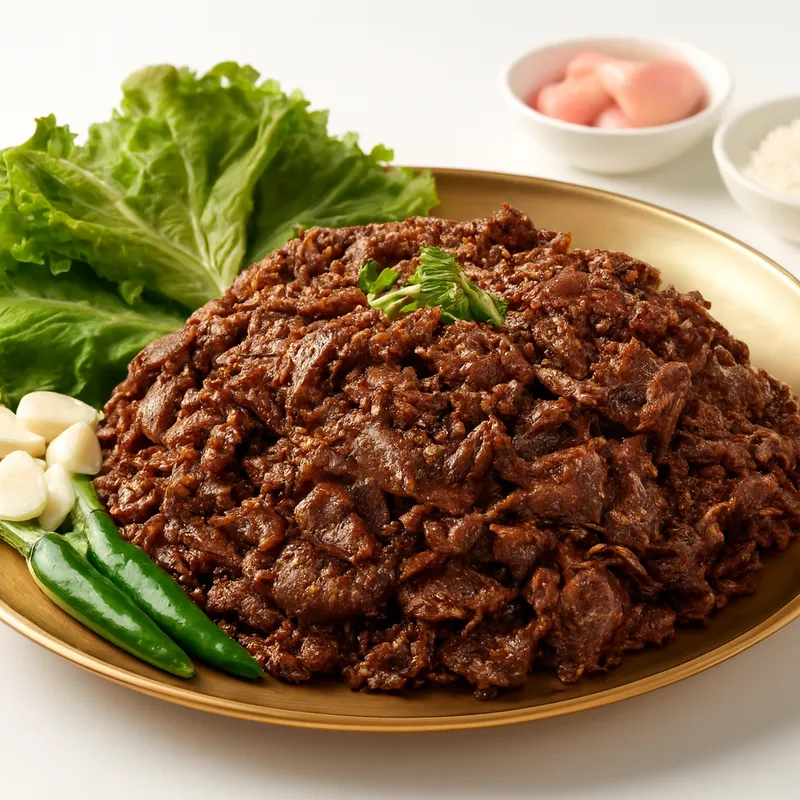
View page →Seoul's cooking sits at the meeting point of the refined Joseon-dynasty court kitchen and the fast, inventive food of a modern capital, so it tends to be milder and more polished than Korea's spicier regional styles. The court legacy shows in dishes like sinseollo, a clear-broth hot pot of beef, mushrooms, and nuts seasoned only with salt, sesame oil, and soy, and gujeolpan, a nine-section platter of meats and vegetables wrapped at the table in thin wheat crepes. Everyday Seoul cooking includes bulgogi, thin slices of beef marinated in soy sauce, sesame oil, garlic, sugar, and grated pear, then grilled, and bossam, boiled pork belly sliced and wrapped in napa cabbage or perilla leaves with salted shrimp and garlic. The city is also the home of budae jjigae, "army stew," a post-Korean-War invention that simmers kimchi and gochujang with hot dogs, Spam, and instant ramen — surplus food from U.S. army bases turned into a bubbling communal pot. As the capital it gathers the whole country's food, but its own register runs toward balanced seasoning, careful presentation, and the soy-and-sesame flavors of the old palace table.
Start Here
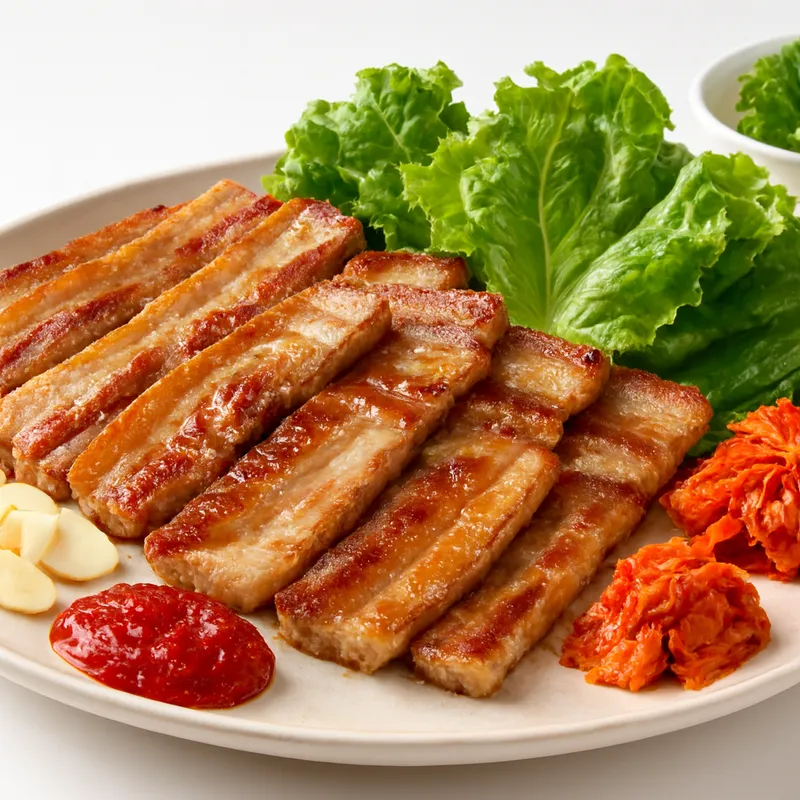
Thinly sliced boiled pork belly wrapped in lettuce or napa cabbage with kimchi, garlic, and ssamjang, showcasing Seoul's attention to detail and flavor balance.
Why start here · Bossam represents Seoul's dedication to precision and harmony, making it an ideal starting point for exploring the city's culinary ethos.
A post-war creation combining kimchi, spam, ramen, and cheese, reflecting Seoul's blend of history and modernity.
Why start here · Budae Jjigae exemplifies Seoul's ingenious adaptability and cultural amalgam, perfect for understanding the city's historical resilience.
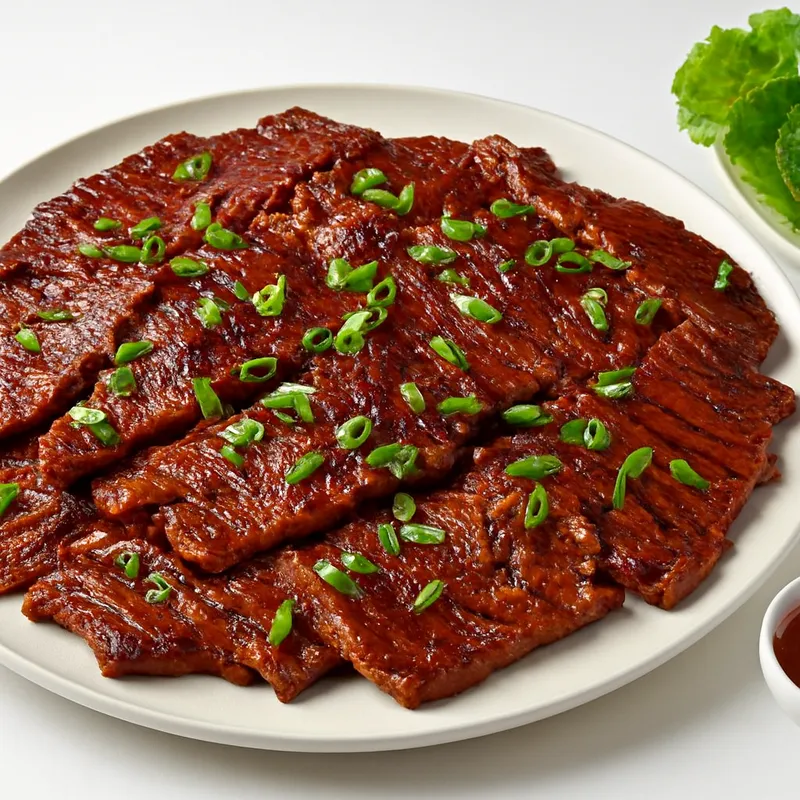
Marinated and grilled beef in a sweet soy-sesame-pear sauce, often served with lettuce wraps, highlighting Seoul's blend of tradition and modernity.
Why start here · Bulgogi's balance of sweetness and savory flavors embodies Seoul's ability to merge historical cuisine with contemporary tastes.
Cook First
The easiest way in

The Pantry



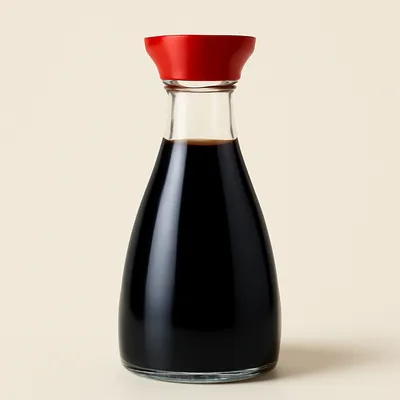



See all 236 ingredients›

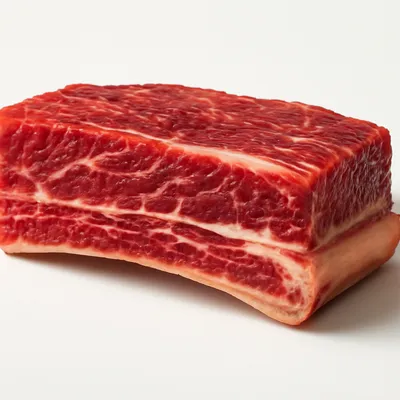




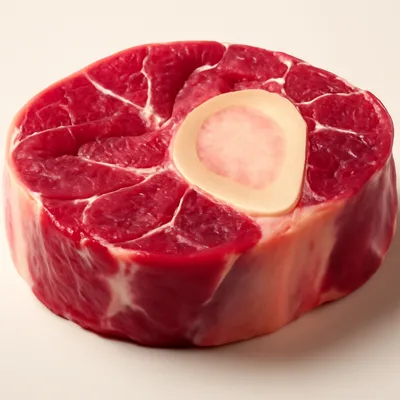

Vegetables





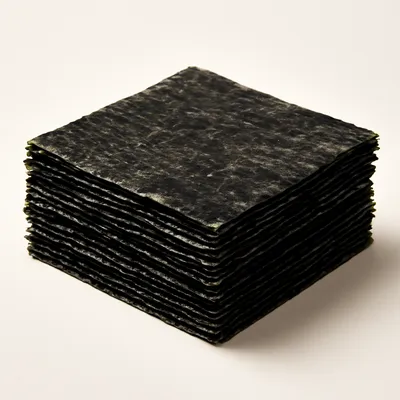



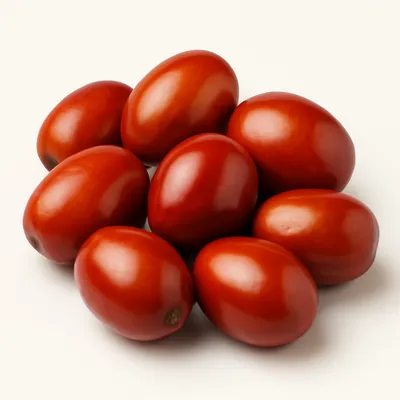




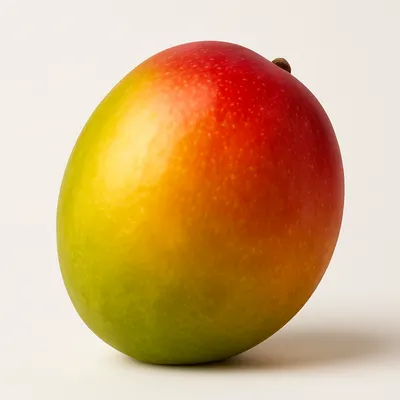


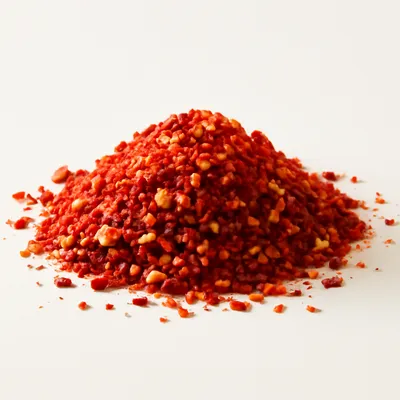
Herbs & Spices







Grains & Staples






Dairy & Fats










Sauces & Condiments



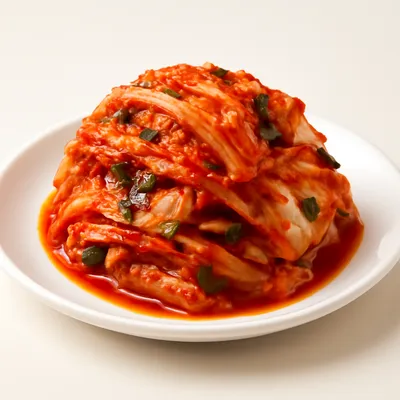




Other

How They Cook
Techniques that define this cuisine
Other regions
Siblings within Korean — each its own tradition.
Signature Dishes (132)
Browse all 132 dishes›
Drinks
10


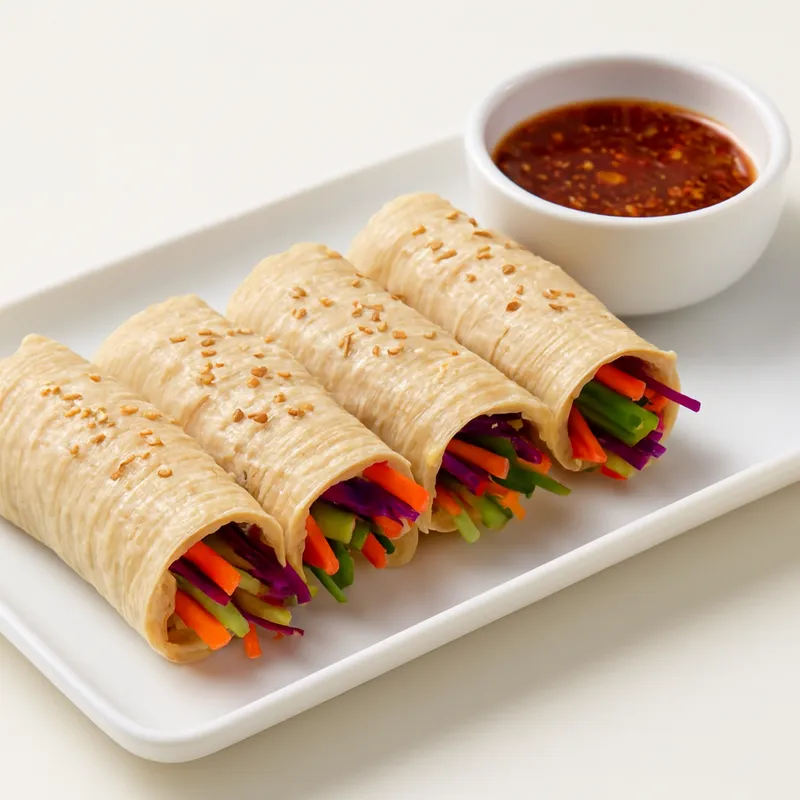
Soups
20




Mains
32








Sides
23


Sweets
19


Snacks
19