Kongnamul guk is a Seoul household staple traceable to Joseon-era frugal cooking — soybean sprouts grow in seven days from a handful of dry soybeans in a dark crock with daily watering, making them the cheapest fresh vegetable through Korean winters. The clear-broth Seoul version uses anchovy stock; the spicy Jeonju kongnamul-gukbap variant ladles the same soup over rice with red-pepper paste. The morning-after-drinking association comes from the sprout's high asparagine content, traditionally believed to break down acetaldehyde.
Soybean sprouts grow from a handful of dry beans in seven days — the cheapest fresh vegetable through Korean winters. Seoul uses anchovy stock, Jeonju ladles it spicy over rice. Lid-on simmer is non-negotiable; lift it once and the beany sulfur compound vents and condenses back as off-note.
Almost transparent broth with a faint straw-yellow tint and a cluster of pale sprouts curled at the bottom. The sprouts snap audibly between teeth — that snap is the whole point. Flavour is anchovy-clean, garlic-warm, finished with a soy-sauce minerality; the sweetness is the sprouts' own. Spoon broth over rice and the meal is half-soup, half-porridge. If the broth tastes raw-beany or grassy, the cook lifted the lid mid-simmer.
The lid-on-simmer rule is non-negotiable: soybean sprouts contain a raw, beany sulfur compound that volatilizes only when the cooking environment stays sealed throughout the heat. If you lift the lid even once, the compound vents and condenses back as a grassy off-note that no amount of seasoning can hide. Five minutes is the sweet spot — long enough to cook the bean cap, short enough to keep the stem snapping.
Variations
Seoul clear-broth household version; Jeonju kongnamul-gukbap is the spicy rice-in-soup form; Andong adds dried pollack; modern haejangguk shops fold in clams for the morning-after audience.
On the Palate
Where Kongnamul Guk sits in the Korean flavor cloud
Ingredients
Serves 3






How it's made
5 steps · 15 min active + 10 min waiting
- 14 min
Rinse 300g soybean sprouts (kongnamul) in cold water; pinch off any blackened root tails. Drain.
- 210 min
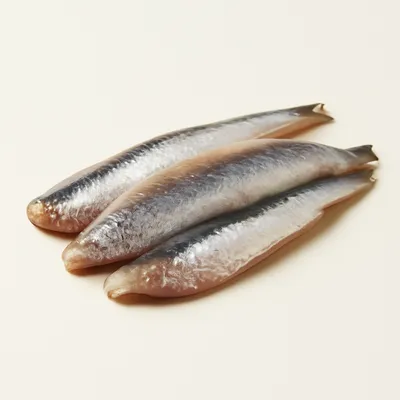
Bring 1.2L water to a boil with 12g dried anchovies (heads and guts removed) and a 10cm square of dasima kelp. Pull the kelp at 5 minutes; simmer the anchovies another 5 minutes, then strain.
Watch outEnsure the water is at a rolling boil before adding the anchovies for optimal flavor extraction.
- 35 min
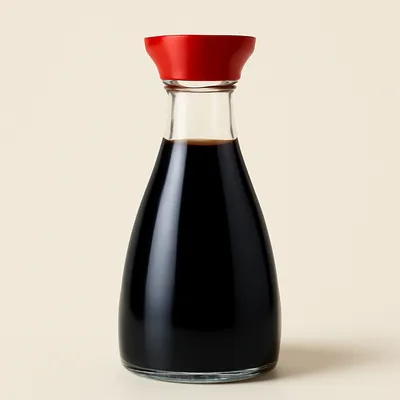
Return stock to the pot. Add the sprouts, 3 minced garlic cloves, 1.5 tsp Korean soup soy sauce (gukganjang), and a small pinch of salt. Cover with the lid and cook over medium heat exactly 5 minutes — do NOT lift the lid mid-cook or the sprouts go raw-grassy.
Watch outLid on and don't peek for the full five minutes — lift it even once and the sprouts vent a raw grassy note nothing can cover.
- 41 min
Off heat. Stir in 2 sliced scallions and check seasoning — the broth should taste clean and faintly sweet, with a sea-salt edge from the anchovies. Optional: 1 tsp gochugaru for the spicy variant (kongnamul-gukbap style).
Watch outTaste for clean and faintly sweet with a sea-salt edge from the anchovies — and the sprouts should still snap, not go soft.
- 51 min
Ladle into bowls over hot short-grain rice for breakfast, or serve alongside rice as a haejang (post-drinking) bowl. The sprouts should still snap.
Archive tool suggestions — not reviewed
These legacy suggestions have not been evidence-reviewed and are not presented as required tools.