Bukeoguk
“Pale broth of shredded dried Alaska pollack (bukeo-chae) cooked in sesame oil, finished with silken tofu, beaten egg, and scallion — Seoul's classic morning-after-drinking remedy.”
Where it comes from
Bukeo (dried Alaska pollack) is made by hanging the fish through Gangwon Province winters — the Hwangtae version is freeze-dried in repeated freeze-thaw cycles in the Inje and Pyeongchang highlands. The shredded form (bukeo-chae) entered Seoul cooking in the early 20th century when rail brought it cheaply south. The morning-after-drinking association is documented in mid-century Seoul newspapers, which described it as the unofficial breakfast of the Jongno white-collar district. Methionine and aspartic acid in dried pollack are the chemical basis of the folk hangover claim.
On the plate
A milk-pale broth thickened by toasted pollack and sesame, scattered with feathered egg ribbons and pale-yellow tofu cubes. The first sip is round and slightly oily — the sesame oil has emulsified into the broth — and the dried-fish savouriness reads as cleaner than anchovy or kelp alone. Strands of pollack still have a fibrous bite. Spoon over rice and the bowl feels reparative; many Seoul households serve this on the morning of a hangover. Skip the toasting step and the broth tastes thin and faintly fishy.
How it works
Toasting the rehydrated pollack in sesame oil before adding water is the load-bearing step: the oil extracts the fish's free amino acids (which are concentrated in dried protein at 5-7x the fresh level) and emulsifies them into the broth, giving the milky body. Skip the toast and you get fish-tea — thin, faintly off. Egg goes in last because protein clouds the broth if cooked too long; the gentle stream produces ribbons rather than scramble.
Bukeo (dried Alaska pollack) is freeze-dried through Gangwon winters in the Inje and Pyeongchang highlands. Toasting the rehydrated fish in sesame oil before water goes in is the load-bearing step — extracts free amino acids (5-7x fresh-fish concentration) and emulsifies them into milky body.
Variations
Seoul Jongno white-collar morning version with tofu and egg; Gangwon highland bukeo-jjigae with daikon; Mukho-port version with the whole half-fish on the bone; modern haejang shops add bean sprouts.
On the Palate
Ingredients
Serves 3









How it's made
5 steps · Show ↓20 min active · 10 min waiting
How it's made
5 steps · Show ↓- 110 min
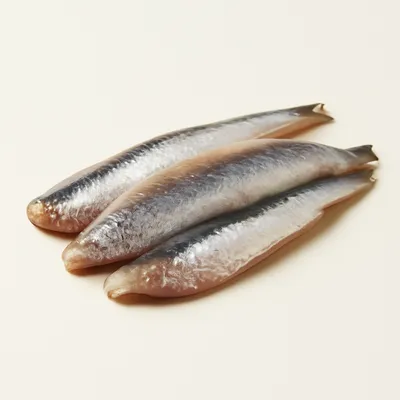
Soak 30g shredded dried pollack (bukeo-chae) in 200ml cold water 10 minutes until pliable. Squeeze gently — keep the soaking water; it goes into the broth.
- 23 min
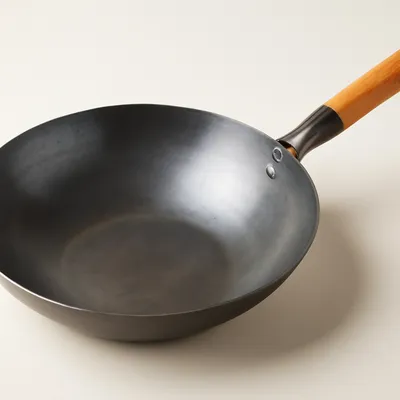
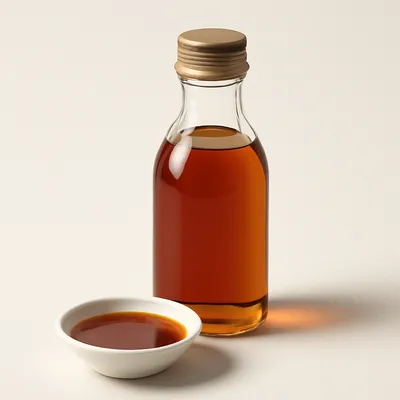
Heat 2 tbsp sesame oil in a heavy pot over medium. Add the squeezed pollack and 2 minced garlic cloves; stir-fry 3 minutes until the strands smell toasty and turn pale gold — this step is what gives bukeoguk its colour and depth.
Watch outEnsure the oil is not too hot to prevent burning the garlic.
- 39 min
Pour in 1L of water plus the reserved soaking liquid and a 10cm dasima kelp square. Bring to a boil, then drop heat and simmer 8 minutes — the broth turns milky-pale.
- 43 min
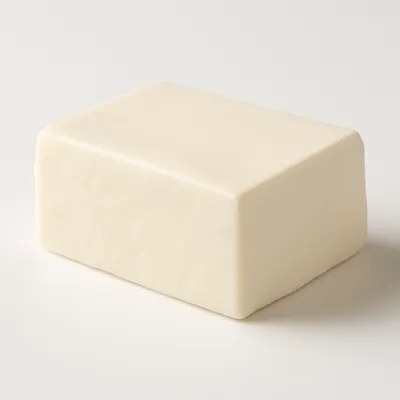
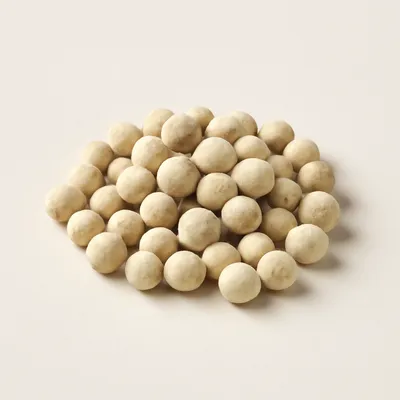
Pull the kelp. Slide in 200g silken tofu cut into 2cm cubes. Season with 1.5 tbsp gukganjang, 1 tsp salt (adjust later), and a pinch of white pepper. Simmer 3 minutes.
Watch outBe careful not to over-season; you can adjust salt later.
- 53 min
Beat 2 eggs lightly. With the broth at a gentle simmer, swirl in the egg in a thin stream so it sets in ribbons (egg-flower style — do not stir hard or it muddies). Off heat. Stir in 2 sliced scallions and a few drops of toasted sesame oil. Serve with hot short-grain rice — most Koreans pour broth straight onto rice.
Watch outEnsure the broth is not boiling when adding the egg to prevent it from scrambling.