The universal spark that ignites the flavors of the world.
Universally used spice from dried berries; piperine provides sharp heat and aromatic warmth.
Where it comes from
Black pepper has a rich history dating back to ancient trade routes, originally prized in ancient Rome for its value as a spice and a form of currency.
In the kitchen
Black pepper is used whole or ground, enhancing savory dishes, sauces, and marinades with its heat and depth, making it an essential seasoning.
Across cuisines
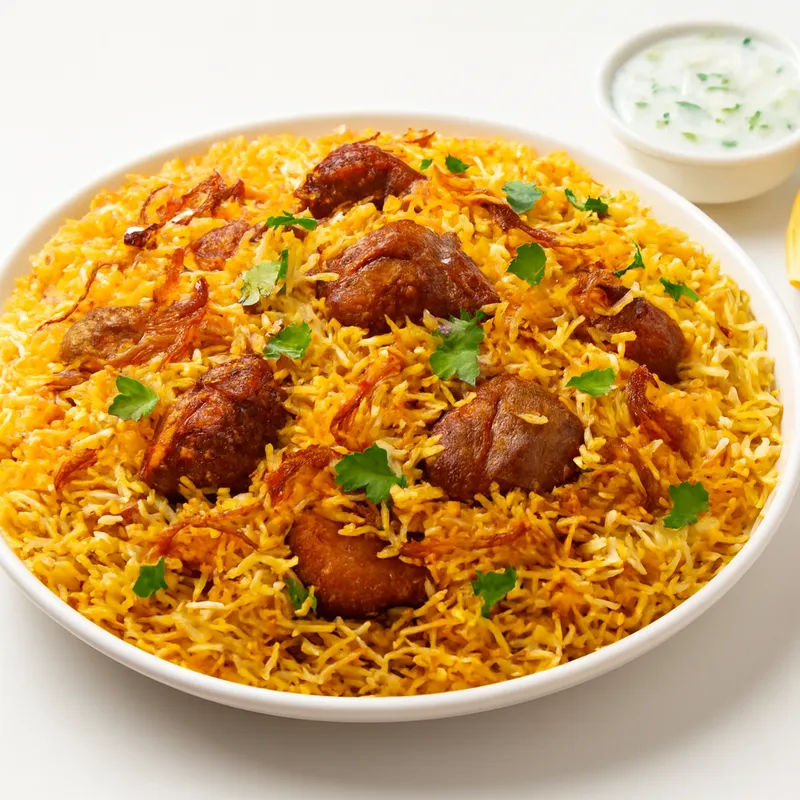
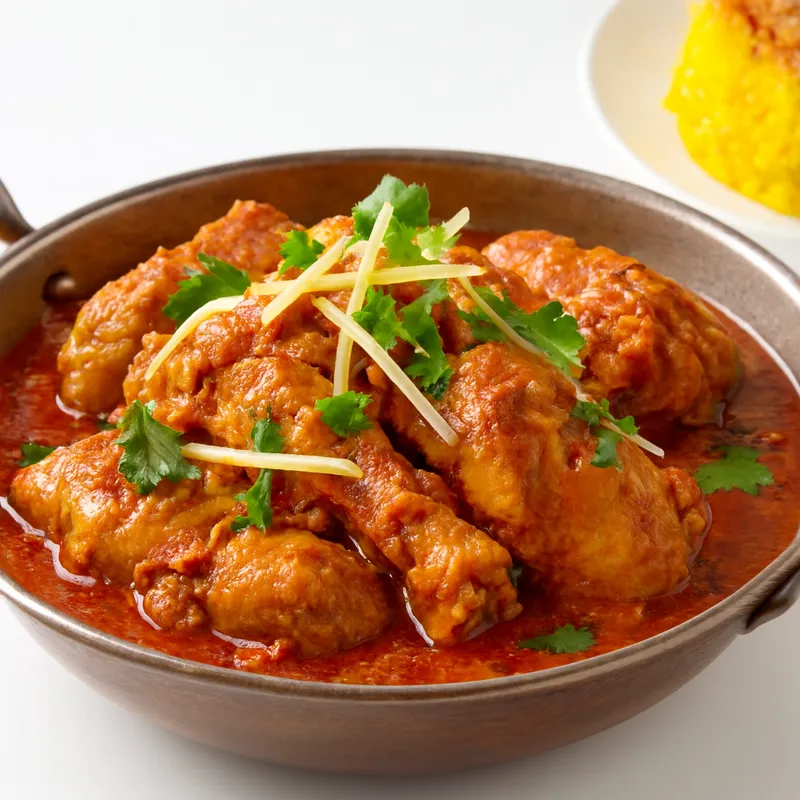
Tellicherry (Thalassery) peppercorns — large-berried, left on the vine longer before harvest — have a more complex, fruity heat than smaller-grade Indian peppers. In Biryani, whole black peppercorns go into the hot ghee with cardamom, clove, and bay at the first stage; they are not meant to be eaten but to bloom their volatile oils into the fat. In Chicken Karahi (Pakistani Punjabi), coarsely cracked pepper is added at the finish alongside julienned ginger for textural heat.
Cacio e Pepe depends on coarsely cracked black pepper toasted dry in a pan until fragrant, then emulsified with starchy pasta water and Pecorino Romano. The pepper does double work: heat from piperine and aromatic compounds released by the dry toast. The grind matters — a fine powder would lose the textural contrast and bloom differently.
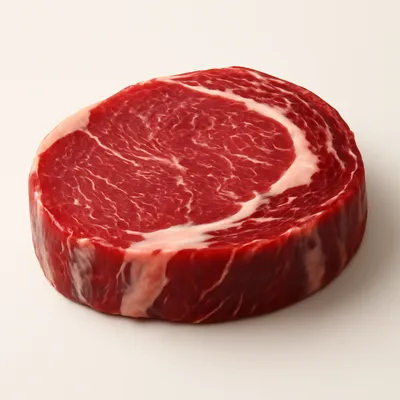
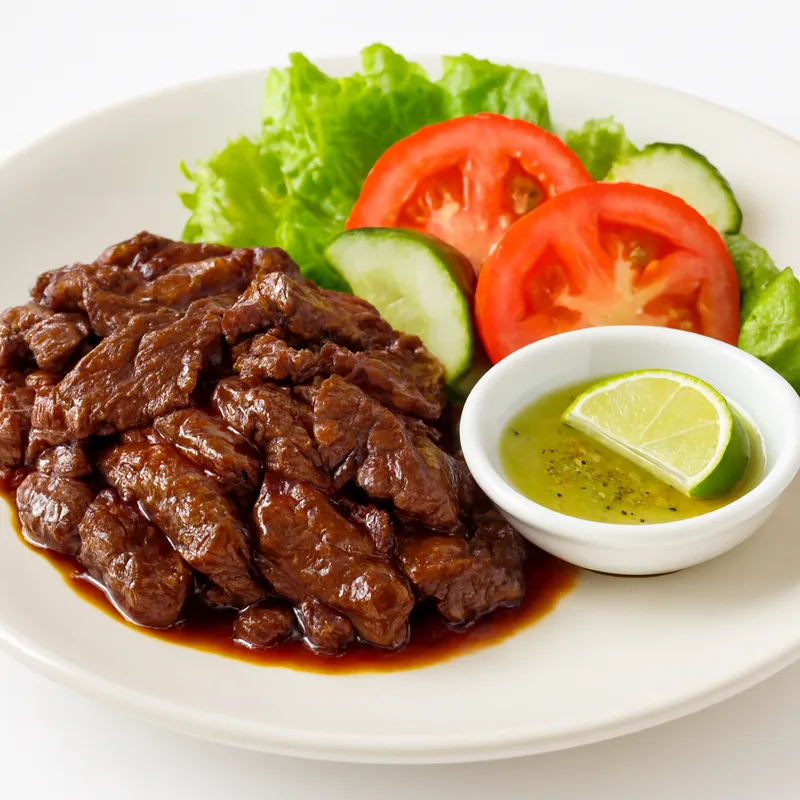
Mignonette sauce for oysters is cracked (not ground) black pepper macerated in shallot and red wine vinegar — the coarse grind absorbs the vinegar without dissolving, preserving pockets of dry heat. Steak au poivre presses cracked pepper into the beef surface before searing, then builds a sauce from the deglazed crust with cream and cognac. Lamb dishes like Agneau de Pré-Salé use pepper as the dominant seasoning.
Notable varieties
Peppercorns allowed to ripen longer on the vine, reaching 4.2mm or larger. Fruit-forward, complex aroma with lower initial bite but longer-lingering heat than standard Malabar pepper. The preferred grade for table and finishing pepper.
GI-protected. Grown in iron-rich, red volcanic soil at the base of the Elephant Mountains. Distinctive citrus and floral notes alongside the standard piperine heat. Available in red (ripe), black (semi-ripe dried), and white (fully ripe, hull removed) grades.
Malaysian Borneo's primary export pepper. The black grade is harvested at the green stage and dried in the sun; the white grade (fully ripe, soaked to remove hull) is used exclusively in Bak Kut Teh. Milder and less pungent than Malabar, with an earthy-mild character.
Indonesia's dominant pepper-producing region. Smaller berry than Tellicherry, higher piperine content, sharp and aggressive heat. The standard grinding pepper in Indonesian cooking; used whole in Babi Guling spice paste.
Nutrition (per 100g)
AI-estimated; model and run unavailable.
Pairs well with