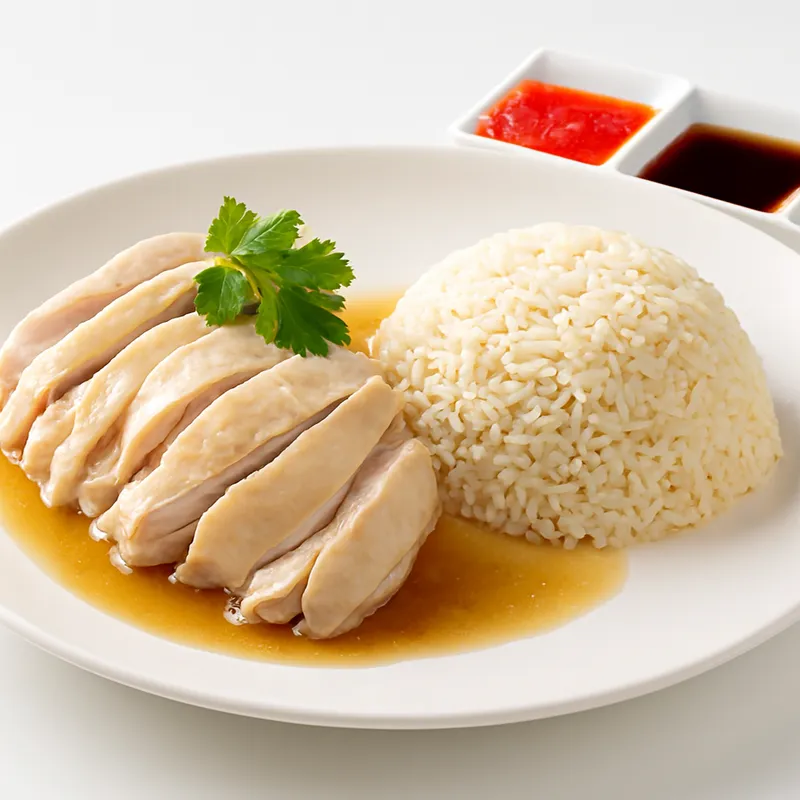
Bak Kut Teh is a peppery herbal soup simmered with succulent pork ribs, garlic, and aromatic spices, offering a warming comfort.



Klang, Selangor, around the 1930s — created by Hokkien dock laborers at Port Klang who needed cheap, warming, energy-dense food in the pre-dawn cold. "Bak kut teh" (肉骨茶, Hokkien) literally means "meat bone tea," but there's no tea in the broth — the name refers to the strong Chinese tea served alongside to cut the fat. The Klang (Malaysian) version is herbal-dark; the Singaporean Teochew version is pepper-clear.
Created around the 1930s by Hokkien dock laborers at Port Klang, Selangor, who needed cheap energy-dense food in pre-dawn cold. The name (肉骨茶, meat bone tea) refers to the strong Chinese tea served alongside to cut the fat — there's no tea in the broth itself. The fried dough stick is structural: it's the spoon you eat the broth with.
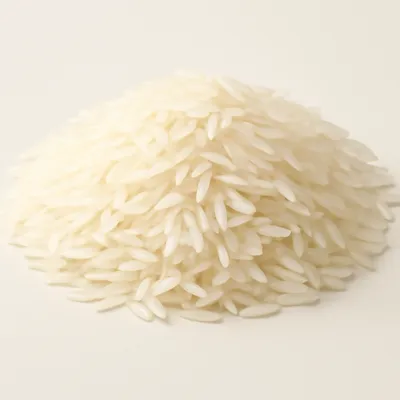
A clay pot of pork ribs in a clear-to-amber broth, served with a side of steamed white rice, a saucer of sliced bird's-eye chili in dark soy, fried dough sticks (you tiao) for dunking, and Chinese tea on the side. The broth tastes of white pepper and garlic before any herb. The ribs should slip off the bone with a chopstick nudge but not collapse.
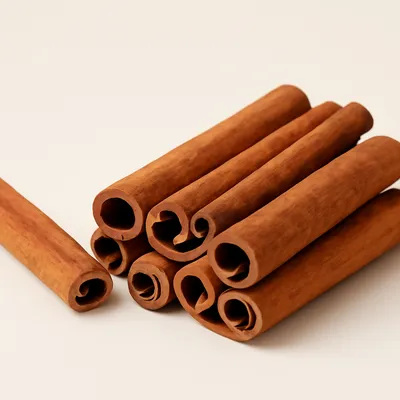
The Klang broth is built on a muslin bag of dang gui, yu zhu, chuan xiong, and rou gui (cinnamon) plus whole garlic heads and dark soy — the medicinal smell is the point, not a side effect. Ribs go in cold water and are blanched first to clear scum; a clouded broth means the blanch was skipped. The fried dough stick is structural: it's the spoon you eat the broth with.
Variations
Klang Hokkien BKT (herbal-dark, the original, dang gui-led); Singapore Teochew BKT (pepper-clear, no herbs, often Song Fa or Founder); Sarawak BKT (mid-range, more garlic, less herb); dry bak kut teh (Klang specialty, broth-reduced with dark soy and dried squid).
On the Palate
Where Bak Kut Teh sits in the Singaporean flavor cloud
Ingredients








How it's made
5 steps · 3 hours
- 130 min
Blanch pork ribs in boiling water to remove impurities.
Watch outBlanch until foam rises and the water clouds, then drain — this is what keeps the final broth clear.
- 218 min
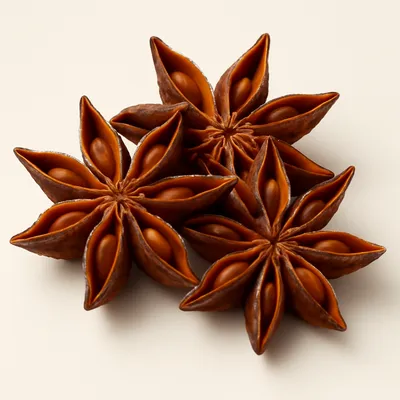
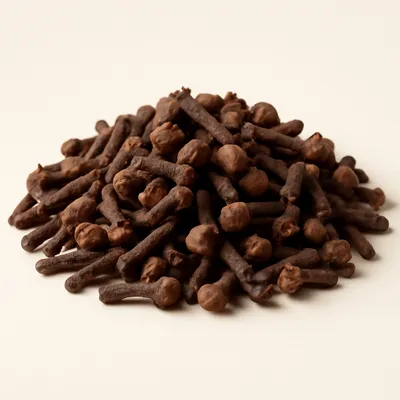
In a pot, combine ribs with garlic, star anise, cinnamon, and cloves.
- 390 min
Add soy sauces and black peppercorn, then simmer gently.
Watch outAdd both soy sauces and whole peppercorns, then keep it at a gentle simmer, never a rolling boil.
- 430 min
Cook until ribs are tender and the broth is infused with flavors.
Watch outCook until the rib meat pulls easily from the bone and the broth smells deeply herbal.
- 512 min
Serve hot, accompanied by rice and a side of fried dough sticks.
Archive tool suggestions — not reviewed
These legacy suggestions have not been evidence-reviewed and are not presented as required tools.