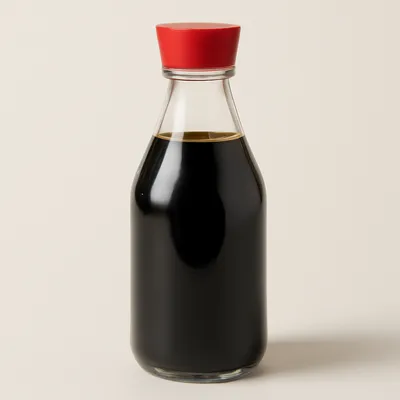
Dark and rich, dark soy sauce delivers a deeper, sweeter flavor with a thicker consistency, imparting both color and depth to dishes. It is a quintessential ingredient in Chinese cooking.
Where it comes from
Dark soy sauce originated from the traditional fermentation of soybeans, particularly in China, where it was developed to enhance flavors in rich dishes.
In the kitchen
Used to add color and complexity to braised dishes and stir-fries, it balances sweetness with savory notes, enriching the overall flavor profile.
Across cuisines
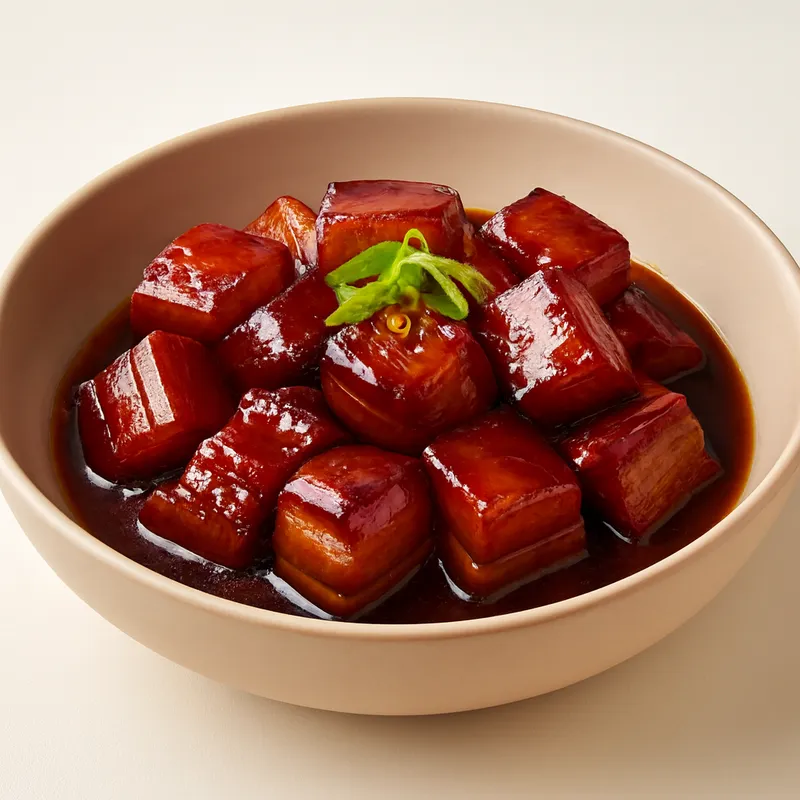
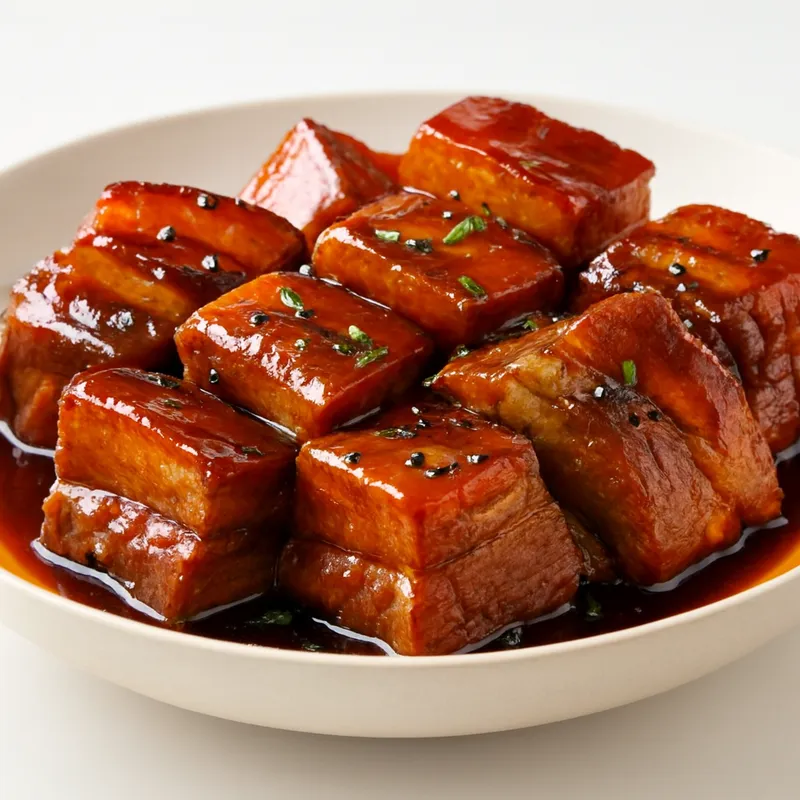
The color-and-sweetness source of 红烧 cooking — red-braised pork belly, Shanghai smoked fish, and Hangzhou-Shanghai red-braised hairtail all rely on dark soy mixed with rock sugar and Shaoxing to build the lacquered mahogany finish that defines hong shao.
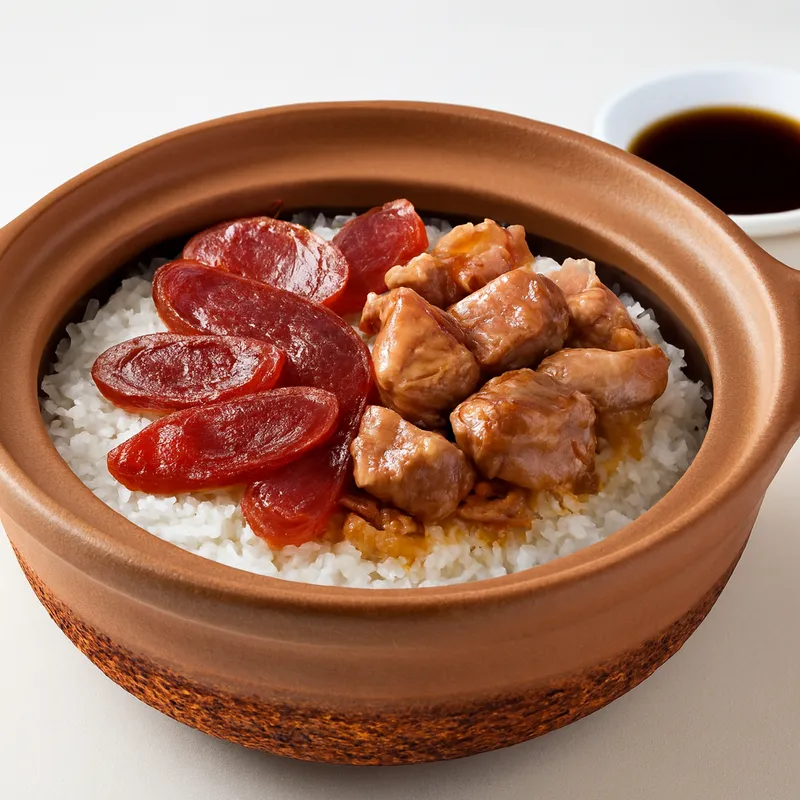
Used in claypot rice for the soy-glaze drizzle (豉油皇) and to color lo mai gai's sticky rice and char siu marinade. Cantonese dark soy is sweeter than mainland 老抽 — often pre-blended with sugar as 'sweet soy' (豉油皇).
'Si-ew dam' (ซีอิ๊วดำ) and the even thicker 'si-ew wan' (sweet dark soy, syrup-like) are essential — pad see ew, pad kee mao, and khao kha moo all use dark soy for the dark caramel-toned glaze that wraps the noodles or braised pork.
Notable varieties
Aged longer than sheng-chou, often with added caramel — deeper, blacker, less salty, slightly viscous. Used by the teaspoon for color, not as primary salt source. Pearl River Bridge is the everyday standard.
Syrup-thick sweet dark soy — used in pad see ew and khao kha moo. So sugary it pours like molasses; gives Thai noodles and braises their distinctive caramelized sweet finish.
Even sweeter than Thai si-ew wan — palm sugar dominates over the soy. Mentioned for context: many Western cooks substitute it for Chinese dark soy and get a dish that's far too sweet.
Wheat-free, soybean-only — naturally thicker and darker than koikuchi, used historically as a dipping soy for sashimi. The closest Japanese analog to Chinese dark soy, though without the caramel sweetness.
Nutrition (per 100g)
AI-estimated; model and run unavailable.