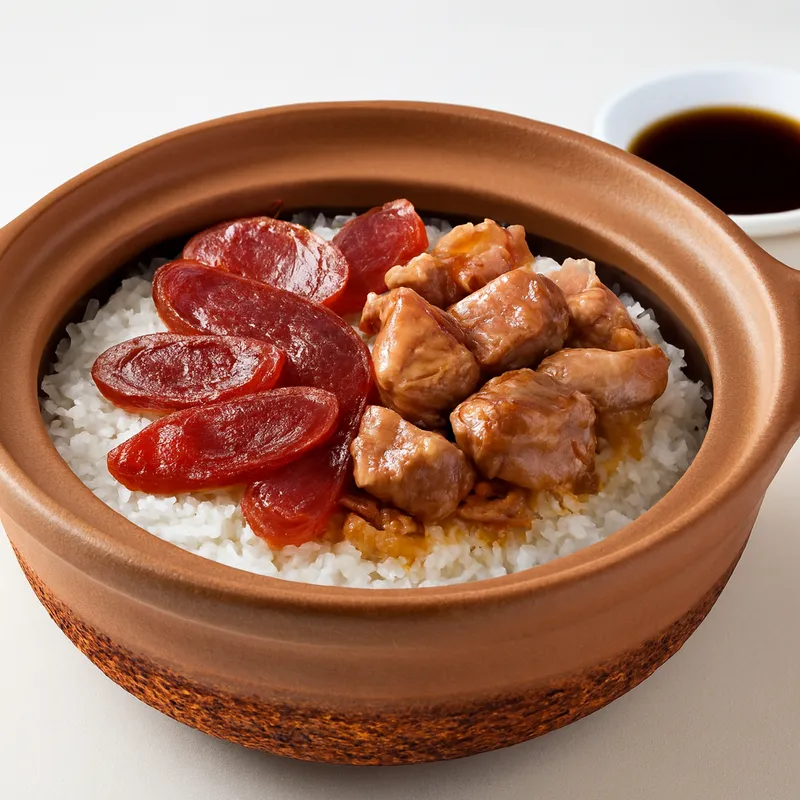
Cantonese rice cooked in a clay pot with Chinese sausage, cured meats, and a prized crispy rice crust at the bottom.



Cantonese 煲仔饭 (bou zai faan, "little-pot rice") emerged in 19th-century Guangzhou street stalls as a fast, fuel-efficient one-pot meal — the clay vessel held heat after the burner was off, finishing the rice while the next pot started. Hong Kong winter alleys still cook it over open coal. The sausage-and-cured-pork combo is canonical because both are shelf-stable, suiting pre-refrigeration street vendors.
Bo zai fan — rice cooked over charcoal in a sand pot until the bottom forms a brown crust. The lap cheong fat melts down through the rice; soy sauce goes in at the table, not before.
A small clay pot brought to the table covered, lid lifted to release steam off rice topped with rounds of Chinese sausage, slabs of cured pork belly, sometimes a raw egg or chicken. Sweet dark soy is poured in and stirred through. The prize is the bottom — 饭焦, a sheet of brown crackling rice crust scraped up with a spoon. If there's no crust, the heat was wrong.
The crust is the technical aim: after rice absorbs the water (~10 minutes), the cook tilts the pot at intervals over the flame to brown each side of the bottom rice — direct contact with hot clay caramelizes the starch. Drizzling oil down the inside wall in the last minute fries that crust crisp. Modern induction setups can't easily produce 饭焦 — it's why the dish stays a charcoal/gas specialty.
Variations
Lap mei fan (cured sausage and waxed duck) is the winter canon; salted-fish-and-chicken claypot in Sham Shui Po; eel-and-pork-rib in Macanese kitchens; vegetarian taro-and-mushroom version on temple menus.
On the Palate
Where Claypot Rice sits in the Chinese flavor cloud
The whole dish is the crackly bottom crust (饭焦): after the rice drinks up the water, tilt and rotate the pot over the flame while drizzling oil down the inside wall, so the grains touching the hot clay caramelize crisp — keep the heat low and steady the whole time or you scorch it bitter before the crust sets.
Ingredients


How it's made
6 steps · 38 min active + 2 hours waiting
- 15 min
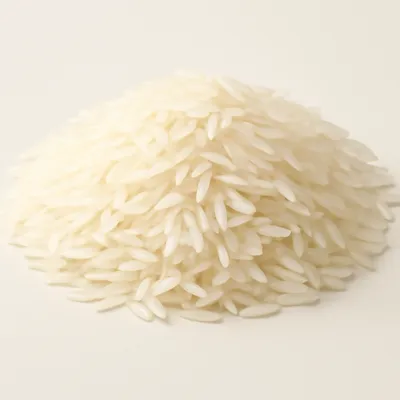
Rinse the rice under cold water until the water runs clear. Soak the rice in water for 2 hours, then drain thoroughly.
- 23 min
In a claypot, heat a tablespoon of peanut oil over medium heat. Add the drained rice and stir to coat each grain with oil.
- 310 min
Pour hot water into the claypot until it covers the rice by about 1/4 inch. Cover and bring to a simmer over medium heat. Once steaming, create small ventilation holes with chopsticks.
Watch outPoke a few holes through to the bottom with a chopstick once it steams — steam channels up through them and cooks the rice evenly instead of leaving a gummy middle.
- 410 min
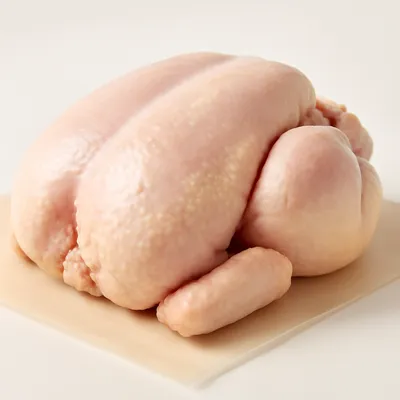
Layer marinated chicken and sliced mushrooms evenly over the rice. Cover and reduce heat to low, cooking for 10 minutes until the rice absorbs the water.
- 55 min
Drizzle oil along the claypot's rim and increase heat to medium. Toast the rice until it crackles, about 2 minutes. Rotate the pot to toast the sides evenly.
Watch outYou're listening, not looking: when the steady simmer turns to a sharp crackle and you smell toasted rice, the crust is browning — rotate for even color.
- 65 min
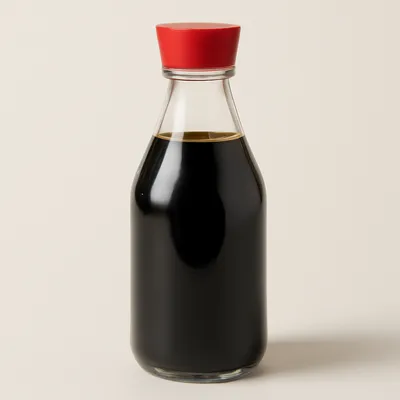
Turn off the heat and let the rice rest, covered, for 10 minutes. Slice the sausages, return to the pot, and drizzle with seasoned soy sauce. Mix well before serving.
Watch outRest it off the heat with the lid on a full ten minutes so the grains firm up and pull away from the crust — cut in too soon and the rice is still slack.
Archive tool suggestions — not reviewed
These legacy suggestions have not been evidence-reviewed and are not presented as required tools.

Japanese earthenware pot, glazed inside and rough-clay outside, 20-30 cm across. Its high thermal mass means it heats slowly but holds steady — once at simmer, it stays there for 30+ minutes after the burner goes off. Donabe are the canonical vessel for nabe hot-pot, takikomi gohan (rice cooked with seasonings), and ojiya (rice porridge), where slow gentle heat is the whole point.

An electric pot with a thermostat that switches off the moment internal temperature exceeds 100°C — meaning the moment all free water has boiled off. Add rinsed rice and water (1:1.2 by volume for short-grain), press start; 25 minutes later it sits in warming mode and stays at 65°C all day. The fuzzy-logic Japanese versions (Zojirushi, Tiger) cook brown rice, sushi rice, and porridge with separate algorithms for each.
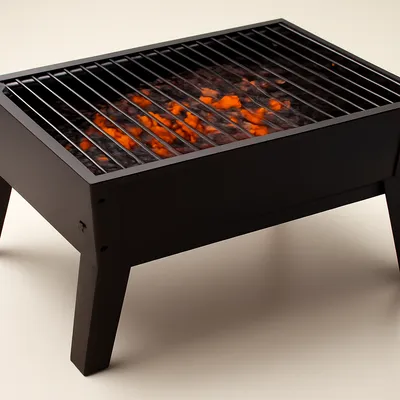
An open or hooded metal frame holding a bed of glowing charcoal embers, with a grate above. Charcoal burns at 700°C+ on the surface and emits short-wave infrared, which cooks proteins faster and with deeper Maillard browning than gas. Hardwood lump charcoal (oak, mesquite, fruitwood) lends its own smoke; cheap briquettes do not. Mastery is mostly heat zoning — direct over coals for searing, indirect off-coals for slow-roasting.

A round-bellied unglazed clay pot, 1.5-3 liters, with a domed lid and side handles, used for slow-cooking Chinese soups, claypot rice (煲仔饭), and stews. The clay's high porosity diffuses heat slowly so soups never come to a violent boil — flavor develops over 2-3 hours of low simmer. Cantonese claypot rice gets its prized crispy bottom (锅巴) from the same direct-flame stovetop heat that would crack a less robust pot.